

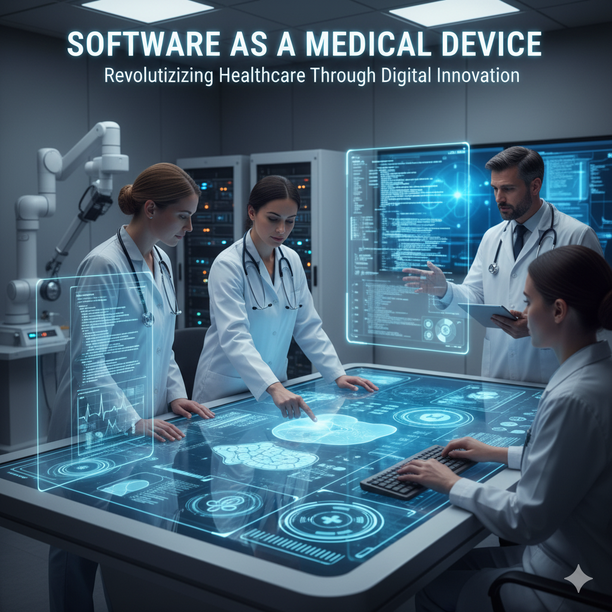
Software as a Medical Device: Revolutionizing Healthcare Through Digital Innovation
The FDA approved over 500 software-based medical devices in 2022 alone, a sharp rise from just a handful a decade ago. This surge shows how software as a medical device, or SaMD, is changing the face of healthcare. SaMD includes programs that diagnose illnesses, monitor health, or guide treatments—all without the need for bulky hardware like scanners or implants.
You might wonder what sets SaMD apart in modern medicine. It lets doctors and patients access powerful tools right on a smartphone or computer, making care quicker and more personal. In this article, we'll break down what SaMD really means, how rules keep it safe, real examples from hospitals, the ups and downs of using it, and where it's headed next. Whether you're a healthcare pro or just curious about digital health tech, you'll get clear insights here.
What is Software as a Medical Device?
SaMD stands at the heart of digital health shifts. It helps turn complex data into simple actions that save lives. Let's dive into its basics to see why it's gaining ground.
Defining SaMD According to Regulatory Bodies
Groups like the International Medical Device Regulators Forum (IMDRF) define SaMD as software meant to help with medical tasks on its own. It doesn't rely on hardware to work—think of it as a standalone app that spots diseases from photos. This sets it apart from regular apps like fitness trackers that don't claim medical benefits.
The IMDRF stresses that SaMD must aim to diagnose, treat, or prevent issues in people. For instance, an app analyzing blood sugar levels fits this mold. Regulators use this clear line to ensure safety without stifling new ideas.
Key Components and Functionality of SaMD
At its core, SaMD relies on algorithms to crunch numbers from inputs like patient scans or vital signs. Many now blend in AI to learn patterns and predict problems, such as heart risks from daily habits. Data processing happens fast, often in the cloud, so results pop up in seconds.
These tools handle three main jobs: diagnosis by spotting issues early, therapy by suggesting drug doses, or monitoring to track changes over time. You can picture it like a smart assistant that never sleeps. This setup makes SaMD flexible for everything from home use to clinic routines.
Differences Between SaMD and Traditional Medical Devices
Traditional devices, like X-ray machines, need physical parts that wear out and cost a lot to fix. SaMD skips all that—it's just code you update over the air, much like a phone app. Developers can tweak it quickly based on new data, speeding up improvements.
Deployment differs too; you install SaMD on devices you already own, cutting setup time. Maintenance involves software patches, not mechanic visits. This intangible side lets SaMD reach remote areas where hardware can't easily go.
Regulatory Framework for Software as a Medical Device
Rules for SaMD aim to balance innovation with safety. Governments worldwide set standards to protect users from bad software glitches. We'll look at key approaches and tips to stay compliant.
FDA's Approach to SaMD Regulation in the US
The FDA treats SaMD like other medical tools under the 21st Century Cures Act, which speeds up reviews for low-risk software. They sort it into classes: Class I for basic info tools, Class II for moderate risks needing 510(k) clearance, and Class III for high-stakes ones like life-support apps that demand full approval. For example, a simple symptom checker might fall into Class I with minimal checks.
The FDA's pre-certification pilot lets top developers prove good practices upfront for faster nods. This helps firms focus on quality over paperwork. Overall, their risk-based system ensures SaMD helps without hidden dangers.
International Standards and Harmonization Efforts
The IMDRF pushes for shared rules so Software as a medical device (SaMD) works across borders without redo approvals. In the EU, the Medical Device Regulation (MDR) demands strict tests for software risks and data security. Countries like Canada and Australia follow similar paths, often aligning with IMDRF docs on classification.
These efforts cut confusion for global companies. You see progress in joint guidelines for cybersecurity threats. Still, full harmony takes time as nations tweak rules to fit local needs.
Compliance Challenges and Best Practices
Getting SaMD approved can drag on due to proving safety in code reviews. Developers often struggle with changing regs across regions. To tackle this, start with a full risk check using ISO 14971 standards—it maps out what could go wrong.
For cybersecurity, follow FDA tips like encrypting data and testing for hacks. Keep records of every update to show accountability. These steps build trust and smooth the path to market.
Real-World Applications of SaMD in Healthcare
SaMD shines in daily medical work, from quick scans to ongoing care. It boosts speed and cuts errors in busy settings. Here are some standout uses that prove its worth.
Diagnostic and Imaging Software Tools
Aidoc's AI software triages radiology images, flagging urgent cases like brain bleeds in CT scans. Doctors get alerts in minutes, not hours, which can mean the difference in stroke care. The FDA cleared it after tests showed high accuracy.
Other tools analyze X-rays for fractures or tumors without extra gear. This speeds up emergency rooms. Patients benefit from faster diagnoses, often from home uploads.
Therapeutic and Monitoring Applications
Dexcom's app pairs with glucose sensors to track diabetes in real time, sending alerts for highs or lows. Users adjust insulin on the spot, reducing hospital trips. It's FDA-approved and integrates with phones for easy shares with docs.
Similar apps guide mental health therapy, like chatbots for anxiety coping skills. They offer constant support between visits. This makes treatment more hands-on and tailored.
Emerging Uses in Telemedicine and Wearables
Fitbit's software detects irregular heartbeats from wrist data, notifying users to seek help. It links to telehealth for virtual check-ins, expanding care to rural spots. The FDA oversees these as SaMD when they claim medical use.
In wearables, SaMD tracks sleep patterns to spot issues like apnea. It feeds data to doctors remotely. This setup scales well, reaching millions without new clinics.
Benefits and Challenges of Implementing SaMD
SaMD brings big wins but also hurdles. Weighing both helps you decide how to use it wisely. Let's explore the good, the tough, and ways to push forward.
Advantages for Patients and Providers
Patients gain from cheaper tools—no big machines mean lower bills. Personalized plans, like AI-tuned rehab exercises, fit your exact needs. Remote access lets you check health from anywhere, easing travel burdens.
Providers save time with automated reports, freeing focus for tough cases. Integration into electronic records boosts teamwork. To make the most, train staff on quick setups—it pays off in better results.
Potential Risks and Ethical Considerations
Data breaches threaten privacy, so HIPAA rules guard patient info. Algorithms can bias against groups if trained on uneven data, like missing diverse skin tones in skin cancer apps. This raises fairness questions.
Ethics demand clear consent for data use. Run regular checks on models to catch flaws. Use broad datasets from the start to keep things even.
Overcoming Barriers to Adoption
Interoperability issues block smooth data flow between systems. Adopt standards like HL7 FHIR to link apps easily. Test early with real users to spot snags.
Cost and training slow rollout too. Start small with pilot programs to build skills. Partner with tech firms for support—these moves clear the path.
Future Trends in Software as a Medical Device
SaMD keeps growing with tech advances. AI and connections will shape what's next. Stay ahead by watching these shifts.
The Rise of AI and Machine Learning in SaMD
AI in SaMD predicts outbreaks from symptom trends, aiding quick responses. The FDA's action plan outlines steps for approving learning software that improves over time. This opens doors for smarter diagnostics.
You'll see more adaptive tools, like apps that refine cancer predictions with new research. Developers should validate changes rigorously. It's exciting—AI could cut misdiagnoses by half in coming years.
Integration with IoT and Personalized Medicine
IoT devices, like smart pills that report intake, team up with SaMD for full views of health. This builds custom treatments, say, adjusting meds based on live activity data. For scalability, design modular code that plugs into various gadgets.
Personalized medicine thrives here, matching genes to therapies via software. Tips for builders: use cloud platforms for heavy lifting. It creates ecosystems where care feels truly yours.
Global Market Growth and Innovation Opportunities
The SaMD market could hit $50 billion by 2030, especially in Asia's growing clinics. Startups can jump in with open-source code for quick prototypes. Focus on local needs, like apps for tropical diseases.
Innovation blooms in underserved areas. Join FDA workshops for guidance. This growth means more jobs and better global health.
Conclusion
Software as a medical device transforms how we handle health, from basic definitions as standalone medical software to strict FDA rules and global standards. We've seen its power in diagnostics like Aidoc's scans, monitoring via Dexcom, and telehealth ties. Benefits shine in cost savings and personalization, though risks like bias and privacy call for careful steps.