

Directory
Sponsored
 joined 11 months, 2 weeks ago


 Facebook
 Twitter
 Google+
 LinkedIn

Dr. Krishna sahani Best cardiologist in lucknow
Dr Krishna Kumar Sahani DM CARDIOLOGYDr. Krishna Kumar Sahani is the best cardiologist in Lucknow, offering expert care in heart failure treatment and advanced cardiac procedures. Recognized as the best doctor for coronary angiography in Indira Nagar and a skilled leadless pacemaker implant surgeon.
view this profile

Directory:
Tags:

Embedded systems are the silent, ubiquitous computers that power our modern existence. Unlike general-purpose PCs, these specialized computing systems are designed to perform dedicated functions within a larger mechanical or electrical system. From the microcontroller in your smart thermostat to the complex electronic control units (ECUs) in a modern automobile, embedded devices are the essential technological bedrock of the Internet of Things (IoT), industrial automation, medical equipment, and consumer electronics.
The process of embedded device development is a challenging yet rewarding discipline that requires a unique blend of hardware and software engineering expertise. It’s an intricate journey that transforms a specific need into a small, efficient, and reliable electronic product.
What Defines an Embedded System?
An embedded system is a tightly integrated combination of hardware (like a microcontroller unit (MCU) or a System-on-Chip (SoC), memory, and peripherals) and specialized software (firmware and application code). Their core characteristics contrast sharply with conventional computing:
· Task-Specific: They perform one or a few dedicated tasks, such as monitoring temperature or controlling a motor.
· Resource-Constrained: They typically operate with limited memory, processing power, and, critically, restricted power consumption, especially if battery-operated.
· Real-Time Requirements: Many embedded systems, particularly those in control or safety-critical applications (e.g., anti-lock brakes), must execute tasks within strict, predictable time constraints, making Real-Time Operating Systems (RTOS) a common necessity.
· Reliability and Stability: Given their role in often-critical applications, they demand high levels of reliability, stability, and robustness to withstand challenging environmental conditions.
The Embedded Development Life Cycle
Bringing an embedded device from concept to market is a multi-stage process that necessitates a holistic view of both hardware and software design, often proceeding in parallel.
1. Planning and Requirements Analysis
This initial stage is the foundation of the entire project. It involves defining the product's purpose, target audience, and most importantly, gathering detailed functional and non-functional requirements. Functional requirements detail what the system must do (e.g., measure light levels), while non-functional requirements specify how it must perform (e.g., power consumption, latency, and environmental operating temperature).
2. Hardware and Software Architecture Design
Based on the requirements, the team chooses the core components, such as the MCU or SoC, and designs the electronic circuit, including power management, sensors, and communication interfaces. Simultaneously, the software architecture is established, detailing the structure of the firmware, the choice of operating system (if any), and how different software modules will interact. Hardware-software co-design is crucial here, as one constrains the other.
3. Implementation (Coding and PCB Layout)
This phase involves writing the firmware—the low-level code that directly interacts with the hardware components, often written in C or C++ for efficiency and direct memory access. Concurrently, hardware engineers finalize the Printed Circuit Board (PCB) layout and oversee the assembly of early prototypes. This is where the custom code is "burned" onto the device's non-volatile memory.
4. Testing, Verification, and Validation
Testing in embedded systems is rigorous, involving:
· Unit Testing: Testing individual software modules.
· Integration Testing: Ensuring the software and hardware components work together seamlessly.
· System Testing: Validating the entire device against the original requirements, often using specialized tools like In-Circuit Emulators or JTAG debuggers to get visibility into the resource-constrained device.
· Field Trials: Testing the device under real-world conditions to confirm reliability.
5. Deployment and Maintenance
Once verified, the device is manufactured and deployed. The long-term phase involves crucial activities like over-the-air (OTA) firmware updates to fix bugs, patch security vulnerabilities, and add new features, ensuring the product remains functional and secure throughout its lifecycle.
Modern Challenges and Future Trends
The embedded landscape is evolving rapidly, presenting new challenges and exciting opportunities.
Key Challenges
· Security: As more devices connect to the internet (IoT), securing embedded systems against malicious attacks is paramount. This requires implementing features like secure boot, hardware encryption, and robust access controls.
· Resource Constraints: Continuously optimizing code and hardware design to maximize performance while minimizing power and memory usage remains a persistent challenge.
· Real-Time Performance and Reliability: Guaranteeing deterministic, timely performance in complex systems under all operating conditions is vital for safety-critical devices.
· Complexity of Integration: Merging custom hardware, low-level firmware, and high-level application software into a single, cohesive product requires specialized expertise.
Future Trends
The next wave of embedded development is characterized by the convergence of several major technologies:
1. AI at the Edge: Integrating Artificial Intelligence (AI) and Machine Learning (ML) directly into embedded devices allows for local, real-time decision-making without relying on the cloud. This trend is driving innovation in autonomous vehicles and intelligent monitoring systems.
2. Increased Connectivity: The rollout of 5G and other low-power wide-area network technologies (like LoRaWAN and NB-IoT) is providing the necessary bandwidth and range for massive-scale IoT deployments.
3. Low-Power Design: Continued focus on ultra-low-power MCUs and sophisticated power management is essential for extending the battery life of billions of connected, battery-operated sensors.
4. Open-Source Hardware and Software: The adoption of open-source components like the RISC-V architecture for processors and operating systems like Embedded Linux and Zephyr RTOS is accelerating innovation and reducing time-to-market.
In conclusion, embedded device development is a foundational engineering discipline that underpins the entire digital economy. Its future promises even smarter, safer, and more autonomous devices, making the skillset of the embedded engineer increasingly critical in shaping the technological world.

Denture Square
Denture Repairs | Denturesquare.comGet your dentures repaired quickly and affordably with DentureSquare.com. Trust our expert team to restore your smile and confidence. Book now!
view this profile
Directory:
Tags:
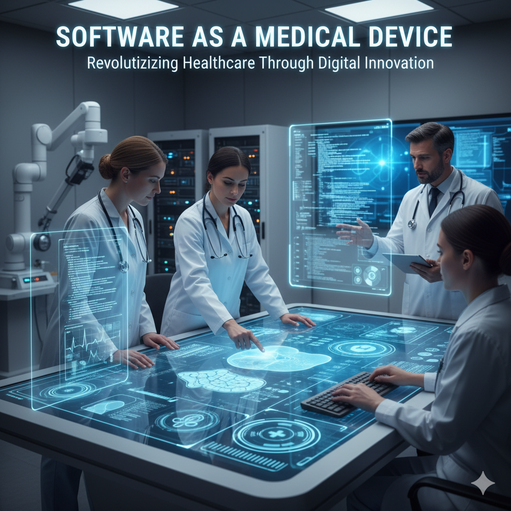
The FDA approved over 500 software-based medical devices in 2022 alone, a sharp rise from just a handful a decade ago. This surge shows how software as a medical device, or SaMD, is changing the face of healthcare. SaMD includes programs that diagnose illnesses, monitor health, or guide treatments—all without the need for bulky hardware like scanners or implants.
You might wonder what sets SaMD apart in modern medicine. It lets doctors and patients access powerful tools right on a smartphone or computer, making care quicker and more personal. In this article, we'll break down what SaMD really means, how rules keep it safe, real examples from hospitals, the ups and downs of using it, and where it's headed next. Whether you're a healthcare pro or just curious about digital health tech, you'll get clear insights here.
What is Software as a Medical Device?
SaMD stands at the heart of digital health shifts. It helps turn complex data into simple actions that save lives. Let's dive into its basics to see why it's gaining ground.
Defining SaMD According to Regulatory Bodies
Groups like the International Medical Device Regulators Forum (IMDRF) define SaMD as software meant to help with medical tasks on its own. It doesn't rely on hardware to work—think of it as a standalone app that spots diseases from photos. This sets it apart from regular apps like fitness trackers that don't claim medical benefits.
The IMDRF stresses that SaMD must aim to diagnose, treat, or prevent issues in people. For instance, an app analyzing blood sugar levels fits this mold. Regulators use this clear line to ensure safety without stifling new ideas.
Key Components and Functionality of SaMD
At its core, SaMD relies on algorithms to crunch numbers from inputs like patient scans or vital signs. Many now blend in AI to learn patterns and predict problems, such as heart risks from daily habits. Data processing happens fast, often in the cloud, so results pop up in seconds.
These tools handle three main jobs: diagnosis by spotting issues early, therapy by suggesting drug doses, or monitoring to track changes over time. You can picture it like a smart assistant that never sleeps. This setup makes SaMD flexible for everything from home use to clinic routines.
Differences Between SaMD and Traditional Medical Devices
Traditional devices, like X-ray machines, need physical parts that wear out and cost a lot to fix. SaMD skips all that—it's just code you update over the air, much like a phone app. Developers can tweak it quickly based on new data, speeding up improvements.
Deployment differs too; you install SaMD on devices you already own, cutting setup time. Maintenance involves software patches, not mechanic visits. This intangible side lets SaMD reach remote areas where hardware can't easily go.
Regulatory Framework for Software as a Medical Device
Rules for SaMD aim to balance innovation with safety. Governments worldwide set standards to protect users from bad software glitches. We'll look at key approaches and tips to stay compliant.
FDA's Approach to SaMD Regulation in the US
The FDA treats SaMD like other medical tools under the 21st Century Cures Act, which speeds up reviews for low-risk software. They sort it into classes: Class I for basic info tools, Class II for moderate risks needing 510(k) clearance, and Class III for high-stakes ones like life-support apps that demand full approval. For example, a simple symptom checker might fall into Class I with minimal checks.
The FDA's pre-certification pilot lets top developers prove good practices upfront for faster nods. This helps firms focus on quality over paperwork. Overall, their risk-based system ensures SaMD helps without hidden dangers.
International Standards and Harmonization Efforts
The IMDRF pushes for shared rules so Software as a medical device (SaMD) works across borders without redo approvals. In the EU, the Medical Device Regulation (MDR) demands strict tests for software risks and data security. Countries like Canada and Australia follow similar paths, often aligning with IMDRF docs on classification.
These efforts cut confusion for global companies. You see progress in joint guidelines for cybersecurity threats. Still, full harmony takes time as nations tweak rules to fit local needs.
Compliance Challenges and Best Practices
Getting SaMD approved can drag on due to proving safety in code reviews. Developers often struggle with changing regs across regions. To tackle this, start with a full risk check using ISO 14971 standards—it maps out what could go wrong.
For cybersecurity, follow FDA tips like encrypting data and testing for hacks. Keep records of every update to show accountability. These steps build trust and smooth the path to market.
Real-World Applications of SaMD in Healthcare
SaMD shines in daily medical work, from quick scans to ongoing care. It boosts speed and cuts errors in busy settings. Here are some standout uses that prove its worth.
Diagnostic and Imaging Software Tools
Aidoc's AI software triages radiology images, flagging urgent cases like brain bleeds in CT scans. Doctors get alerts in minutes, not hours, which can mean the difference in stroke care. The FDA cleared it after tests showed high accuracy.
Other tools analyze X-rays for fractures or tumors without extra gear. This speeds up emergency rooms. Patients benefit from faster diagnoses, often from home uploads.
Therapeutic and Monitoring Applications
Dexcom's app pairs with glucose sensors to track diabetes in real time, sending alerts for highs or lows. Users adjust insulin on the spot, reducing hospital trips. It's FDA-approved and integrates with phones for easy shares with docs.
Similar apps guide mental health therapy, like chatbots for anxiety coping skills. They offer constant support between visits. This makes treatment more hands-on and tailored.
Emerging Uses in Telemedicine and Wearables
Fitbit's software detects irregular heartbeats from wrist data, notifying users to seek help. It links to telehealth for virtual check-ins, expanding care to rural spots. The FDA oversees these as SaMD when they claim medical use.
In wearables, SaMD tracks sleep patterns to spot issues like apnea. It feeds data to doctors remotely. This setup scales well, reaching millions without new clinics.
Benefits and Challenges of Implementing SaMD
SaMD brings big wins but also hurdles. Weighing both helps you decide how to use it wisely. Let's explore the good, the tough, and ways to push forward.
Advantages for Patients and Providers
Patients gain from cheaper tools—no big machines mean lower bills. Personalized plans, like AI-tuned rehab exercises, fit your exact needs. Remote access lets you check health from anywhere, easing travel burdens.
Providers save time with automated reports, freeing focus for tough cases. Integration into electronic records boosts teamwork. To make the most, train staff on quick setups—it pays off in better results.
Potential Risks and Ethical Considerations
Data breaches threaten privacy, so HIPAA rules guard patient info. Algorithms can bias against groups if trained on uneven data, like missing diverse skin tones in skin cancer apps. This raises fairness questions.
Ethics demand clear consent for data use. Run regular checks on models to catch flaws. Use broad datasets from the start to keep things even.
Overcoming Barriers to Adoption
Interoperability issues block smooth data flow between systems. Adopt standards like HL7 FHIR to link apps easily. Test early with real users to spot snags.
Cost and training slow rollout too. Start small with pilot programs to build skills. Partner with tech firms for support—these moves clear the path.
Future Trends in Software as a Medical Device
SaMD keeps growing with tech advances. AI and connections will shape what's next. Stay ahead by watching these shifts.
The Rise of AI and Machine Learning in SaMD
AI in SaMD predicts outbreaks from symptom trends, aiding quick responses. The FDA's action plan outlines steps for approving learning software that improves over time. This opens doors for smarter diagnostics.
You'll see more adaptive tools, like apps that refine cancer predictions with new research. Developers should validate changes rigorously. It's exciting—AI could cut misdiagnoses by half in coming years.
Integration with IoT and Personalized Medicine
IoT devices, like smart pills that report intake, team up with SaMD for full views of health. This builds custom treatments, say, adjusting meds based on live activity data. For scalability, design modular code that plugs into various gadgets.
Personalized medicine thrives here, matching genes to therapies via software. Tips for builders: use cloud platforms for heavy lifting. It creates ecosystems where care feels truly yours.
Global Market Growth and Innovation Opportunities
The SaMD market could hit $50 billion by 2030, especially in Asia's growing clinics. Startups can jump in with open-source code for quick prototypes. Focus on local needs, like apps for tropical diseases.
Innovation blooms in underserved areas. Join FDA workshops for guidance. This growth means more jobs and better global health.
Conclusion
Software as a medical device transforms how we handle health, from basic definitions as standalone medical software to strict FDA rules and global standards. We've seen its power in diagnostics like Aidoc's scans, monitoring via Dexcom, and telehealth ties. Benefits shine in cost savings and personalization, though risks like bias and privacy call for careful steps.
Directory:
Tags:
From smartphones and wearables to medical devices and industrial automation, embedded systems are the invisible backbone of modern technology. At the heart of these systems is embedded device development—the process of designing, programming, and optimizing hardware and software that work seamlessly together.
As industries move toward smarter, connected, and automated solutions, embedded device development has become a critical driver of innovation. Whether enabling real-time patient monitoring, powering autonomous vehicles, or streamlining manufacturing processes, embedded devices are reshaping the way we live and work.
What is Embedded Device Development?
Embedded device development refers to the design and creation of specialized computing systems that perform dedicated functions within larger systems. Unlike general-purpose computers, embedded devices are purpose-built, combining hardware, firmware, and software to perform specific tasks reliably and efficiently.
Examples include:
- Medical devices such as infusion pumps and wearable monitors.
- Automotive systems like ABS braking and infotainment platforms.
- Consumer electronics such as smartwatches, cameras, and voice assistants.
- Industrial controllers for robotics and process automation.
- IoT devices for smart homes and smart cities.
The development process involves both hardware engineering (processors, sensors, circuit boards) and software engineering (real-time operating systems, device drivers, application code).
Key Components of Embedded Device Development
1. Hardware Design
The foundation of any embedded device is its hardware. Developers must select the right microcontrollers, processors, sensors, and memory components to ensure performance, reliability, and cost-effectiveness.
2. Firmware Development
Firmware acts as the bridge between hardware and software. Developers program low-level code that directly interacts with hardware components, ensuring precise control and responsiveness.
3. Real-Time Operating Systems (RTOS)
Many embedded devices require predictable and time-sensitive responses. An RTOS ensures tasks like data processing, sensor input, and communications happen in real time.
4. Connectivity and IoT Integration
Modern embedded devices often require connectivity to the cloud or other devices. This involves integrating Bluetooth, Wi-Fi, Zigbee, LoRaWAN, or 5G protocols.
5. Security and Compliance
As devices handle sensitive data—particularly in healthcare and finance—developers must embed robust security features and comply with industry standards (e.g., ISO 13485 for medical devices).
6. User Interfaces
Some devices require intuitive user interfaces, whether through touchscreens, mobile apps, or voice controls. Embedded development often involves integrating these seamlessly with the core functionality.
Applications of Embedded Device Development
Healthcare
From pacemakers and insulin pumps to hospital monitoring equipment, embedded devices ensure patient safety, real-time monitoring, and remote healthcare capabilities.
Automotive
Modern cars rely on embedded systems for safety, entertainment, navigation, and even autonomous driving. Advanced driver-assistance systems (ADAS) are prime examples.
Consumer Electronics
Smart TVs, gaming consoles, and wearable devices are powered by embedded systems that combine performance with energy efficiency.
Industrial Automation
Factories use embedded controllers to manage robotics, machinery, and supply chain systems, ensuring efficiency and productivity.
Smart Homes and IoT
Smart lighting, security systems, and connected appliances all depend on embedded devices to communicate and operate effectively.
Benefits of Embedded Device Development
Efficiency: Embedded systems perform specific tasks faster and more reliably than general-purpose systems.
- Cost-Effectiveness: Optimized hardware and software reduce production costs.
- Scalability: Devices can be tailored for large-scale deployments in IoT ecosystems.
- Compact Design: Embedded systems fit into small form factors without sacrificing performance.
- Real-Time Performance: RTOS and optimized firmware enable time-sensitive operations.
- Enhanced User Experience: Intuitive and reliable functionality improves adoption and usability.
Challenges in Embedded Device Development
While opportunities abound, developers must also address significant challenges:
- Resource Constraints: Limited memory and processing power require highly optimized coding.
- Cybersecurity Risks: Increasing connectivity exposes devices to potential attacks.
- Integration Complexity: Ensuring seamless interaction between hardware and software components is often difficult.
- Regulatory Compliance: Medical, automotive, and aerospace industries require strict adherence to standards.
- Rapid Innovation Cycles: Keeping pace with evolving technologies like AI and 5G requires constant adaptation.
Future Trends in Embedded Device Development
The future of embedded device development is being shaped by emerging technologies and growing demand for intelligent solutions:
- Artificial Intelligence at the Edge: Embedding AI into devices enables real-time decision-making without reliance on cloud processing.
- 5G and Ultra-Low Latency Connectivity: Unlocks faster, more reliable communication for IoT and autonomous systems.
- Energy-Efficient Designs: With sustainability in focus, developers are building low-power devices with longer battery life.
- Open-Source Development: Open-source frameworks and tools are accelerating innovation and reducing costs.
- Digital Twin Technology: Simulating device behavior virtually before physical deployment speeds up design and testing.
- Increased Security by Design: Developers are embedding encryption and authentication mechanisms from the ground up.
Why Businesses Should Invest in Embedded Device Development
As industries become increasingly digital, the demand for customized, reliable, and secure embedded devices is growing rapidly. Businesses that invest in embedded device development gain:
- Competitive advantage through innovative products.
- Improved customer satisfaction with smarter, user-friendly devices.
- Faster time-to-market via agile prototyping and testing.
- Long-term cost savings through optimized design and scalability.
By embracing embedded device development, companies position themselves to lead in a connected, intelligent, and automated future.
Conclusion
Embedded device development is the cornerstone of today’s digital transformation, powering innovations in healthcare, automotive, consumer electronics, and beyond. By combining hardware, software, and connectivity, embedded systems deliver efficient, reliable, and scalable solutions tailored for specific industries and use cases.
As new technologies such as AI, 5G, and IoT mature, embedded devices will become even more intelligent, secure, and energy-efficient. Organizations that invest in embedded device development today will not only enhance their product offerings but also shape the future of connected living.

Illinois Foot & Ankle Clinic
Illinois Foot & Ankle ClinicIllinois Foot & Ankle Clinic stands as a premier podiatry institution in Des Plaines, Illinois, providing comprehensive foot and ankle care services. Under the guidance of our esteemed and board-certified podiatrist and surgeon, Dr. Alex Yanovskiy, DPM, we utilize cutting-edge treatments to skillfully manage a diverse spectrum of foot and ankle conditions, spanning from routine to intricate cases.
Our commitment to delivering exceptional medical care is underscored by a personalized and compassionate approach, ensuring each patient receives the highest standard of treatment tailored to their unique needs.
Surgical Treatments
Non-Surgical Treatments
Personal Injury Case
Work Compensation
Phone Number:
(847) 298-3338
Business Hours:
Monday - Saturday : 8:30AM–7:00PM
Sunday : 8:30AM–3:00PM
view this profile

Cardiovascular diseases (CVDs) remain the world’s leading cause of mortality, placing immense pressure on healthcare systems to deliver faster, more accurate, and more cost-effective cardiac diagnostics. In this context, the diagnostic electrocardiograph (ECG) market is not only expanding but also transforming into a strategic growth avenue for healthcare providers, investors, and technology innovators alike.
Valued at US$8.59 billion in 2024, the diagnostic ECG market is projected to reach US$15.18 billion by 2032, advancing at a CAGR of 7.4%. This growth trajectory underscores the central role that ECG solutions—ranging from traditional devices to AI-enhanced, portable, and wearable technologies—play in shaping the future of cardiac care. For C-level executives, the strategic question is not whether to engage with this market but how to align investments, partnerships, and technology adoption to maximize long-term value creation.
Why Is the Diagnostic ECG Market Growing Rapidly?
Several macro and micro-level drivers converge to propel this market’s growth:
- Rising burden of CVDs: According to WHO, over 80% of CVD deaths stem from heart attacks and strokes, many of which occur prematurely in patients under 70. The sheer scale of this challenge makes diagnostic ECG tools indispensable in both preventative and acute care.
- Aging population: The UN projects that by 2074, nearly 20.7% of the global population will be 65 years or older, significantly increasing the prevalence of age-related cardiac conditions.
- Shift toward home healthcare: Portable and wearable ECG devices are enabling remote cardiac monitoring, reducing hospital visits, and aligning with the global transition toward value-based and personalized care.
- Digital transformation: The integration of ECG diagnostics with AI, cloud platforms, and interoperability frameworks enhances accuracy, enables predictive analytics, and reduces clinical workloads.
- Policy and reimbursement support: Many governments, particularly in North America, are incentivizing early diagnostics and remote monitoring to curb escalating healthcare costs.
Which Segments Are Leading the Market?
1. By Offering – Diagnostic ECG Devices Dominate
The diagnostic ECG devices segment held the largest share in 2024. From resting ECGs for routine screenings to Holter monitors for long-term monitoring, devices remain the backbone of cardiac diagnostics. Hospitals rely heavily on them for timely detection, while clinics and urgent care centers increasingly use portable options.
2. By Lead Type – 12-Lead ECG Devices Lead the Way
The 12-lead ECG systems are considered the gold standard, delivering comprehensive data on cardiac electrical activity. These systems are indispensable in diagnosing myocardial infarctions and arrhythmias. Key suppliers such as GE HealthCare, Koninklijke Philips N.V., and OSI Systems, Inc. are expanding product portfolios around this technology.
3. By Type – Portable Devices Outpace Others
In 2024, portable ECG devices accounted for the largest share. Their ability to provide mobility, wireless data transmission, and compatibility with telehealth platforms makes them attractive for both hospitals and home-care patients. For executives, this trend highlights opportunities in expanding patient-centric, decentralized care models.
4. By End User – Hospitals Retain Leadership
Hospitals captured the largest market share due to higher patient admissions and superior diagnostic infrastructure. However, home care and ambulatory care centers are expected to gain traction, fueled by cost pressures and patient preference for at-home diagnostics.
5. By Region – North America Holds Dominance
North America commanded the largest share in 2024, underpinned by:
- A growing elderly population
- Rising incidence of chronic illnesses
- Mature healthcare infrastructure
- Government policies supporting early cardiac diagnostics
The Asia-Pacific region, however, presents the fastest-growing frontier, driven by rising healthcare digitization, increasing disposable incomes, and expanding hospital networks in countries like India and China.
How Are Innovations Reshaping the Market?
Technological innovation is central to the diagnostic ECG market’s growth:
- AI-enhanced ECG analysis: Artificial intelligence is enabling faster, more accurate detection of arrhythmias and ischemic changes, reducing misdiagnosis rates and aiding clinical decision-making.
- Wearable technology: Smartwatches and wireless ECG patches are becoming mainstream, empowering patients with real-time health insights and improving physician-patient engagement.
- Remote monitoring platforms: Cloud connectivity enables continuous data transfer to physicians, facilitating early intervention and reducing readmission rates.
- Point-of-care diagnostics: Compact, portable devices designed for urgent care and primary care settings are extending cardiac diagnostic capabilities beyond hospitals.
- For decision-makers, this signals a shift toward a connected, predictive, and decentralized cardiac ecosystem, where data is as valuable as the devices themselves.
What Are the Strategic Business Opportunities?
The diagnostic ECG market presents high-ROI opportunities for healthcare providers, medtech companies, and investors:
- Portfolio expansion in portable and wearable ECGs: Meeting the growing demand for at-home monitoring offers revenue growth and differentiation in competitive markets.
- Data-driven services: Beyond devices, offering software platforms, predictive analytics, and cloud integration creates recurring revenue streams.
- Emerging markets penetration: Asia-Pacific, Latin America, and the Middle East present underexplored opportunities for high-growth expansion.
- Strategic partnerships: Collaborations between device manufacturers, AI startups, and healthcare providers can accelerate innovation and adoption.
- Value-based care models: By integrating ECG diagnostics into preventative care frameworks, providers can reduce long-term costs while improving outcomes.
Who Are the Market Leaders?
Key players dominating the diagnostic ECG market include:
- GE HealthCare (US)
- Koninklijke Philips N.V. (Netherlands)
- Baxter (US)
- FUKUDA DENSHI (Japan)
- NIHON KOHDEN CORPORATION (Japan)
- Shenzhen Mindray Bio-Medical Electronics Co., Ltd. (China)
- iRhythm Technologies, Inc. (US)
- These companies are actively investing in R&D, product launches, and global expansion strategies to secure market leadership.
Conclusion: Why Should Executives Prioritize ECG Market Investments?
The diagnostic electrocardiograph (ECG) market is not just about medical devices—it is about reshaping how healthcare systems manage one of the world’s most pressing health challenges. With rising CVD prevalence, an aging population, and mounting cost pressures, early diagnosis and continuous monitoring are becoming strategic imperatives.
go to cluster
Nathan Coughlin
Thrive Dental and OrthodonticsAt Thrive Dental and Orthodontics, we make visits comfortable, convenient, and tailored to your needs, right here in Dallas, Texas. Our friendly team focuses on clear communication and thoughtful care plans that fit your goals and schedule. Whether you’re maintaining a healthy smile or planning a more involved procedure, we take time to explain your options and deliver care with a gentle touch. Patients turn to us for Oral Surgery with a focus on comfort and safety, as well as preventive and cosmetic solutions designed to keep smiles looking their best. If you’ve been searching for a dentist dallas residents can trust, our practice offers modern technology, flexible appointments, and a welcoming atmosphere for all ages. From your first consultation to follow-up visits, we aim to make every step simple and stress-free, so you can feel confident about your oral health today and for the long run at Thrive Dental and Orthodontics.
Phone: (214) 206 4996
view this profile

Harvey Smiles Denture Clinic
Harvey Smiles Denture ClinicHarvey Smiles Denture Clinic in Burleigh Heads, Gold Coast, offering high-quality, custom-made dentures designed for comfort, function, and a natural look.
Led by experienced Dental Prosthetist Lily, the clinic provides full, partial, immediate, implant-supported, and digitally crafted dentures to suit individual needs and budgets.
Phone Number:
07 5576 5539
view this profile