

Directory
Sponsored

 13 years, 2 months ago


 Facebook
 Twitter
 Google+
 LinkedIn

Women are important. Educate them and some of the world’s biggest health challenges will improve. That’s the thesis of Sir Michael Marmot, Research Professor of Epidemiology and Public Health, University College, London and chairman of the WHO Commission on Social Determinants of Health.

The shoulder is one of the largest and most complex joints in the body. The shoulder joint is formed where the humerus (upper arm bone) fits into the scapula (shoulder blade), like a ball and socket.

On the 1st November 2006, 43 year old Alexander Litvinenko invited two Russian colleagues for a traditional English afternoon tea at a central London hotel. Litvinenko, a former KBG officer who escaped prosecution in Russia, received political asylum in the UK and became a spy for MI6 as well as the Spanish secret service.
One guest seruptitiously slipped a lethal dose of polonium-210 into Litvinenko's tea. Three weeks later Litvinenko died of radiation poisoning after suffering hair loss, fever, endema, diarrhoea, nausea, vomiting and coma. Today, in thousands of clinics throughout the world, the same radiation that killed Alexander Litvinenko is successfully used to cure or palliate cancer in millions of patients.
Were radiation therapy a drug, it would be a wonder cure.
A booming global device market
Each year worldwide, there are about 13 million new cancer cases diagnosed, about 0.35 million in the UK and some 1.6 million in the US. The National Institute of Health estimates that the annual cost of cancer to the US is about US$227 billion.
About a half of people in the UK and two thirds of Americans diagnosed with cancer receive radiation therapy and radiation oncology has become big business. By 2018 the annual global revenues from the radiation therapy device market are expected to reach US$3.6 billion. Driven by increases in the incidence rate of cancer and increasing demand from emerging markets, the radiation therapy device market is projected to grow at an annual rate of over 9%.
Accuracy with minimal side effects
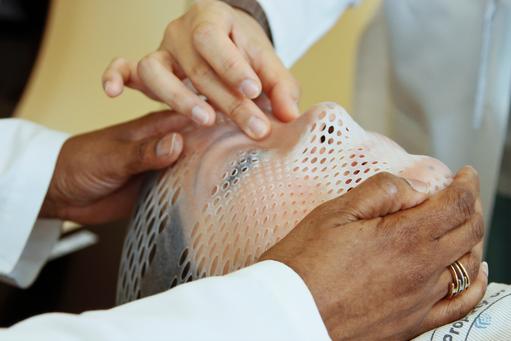
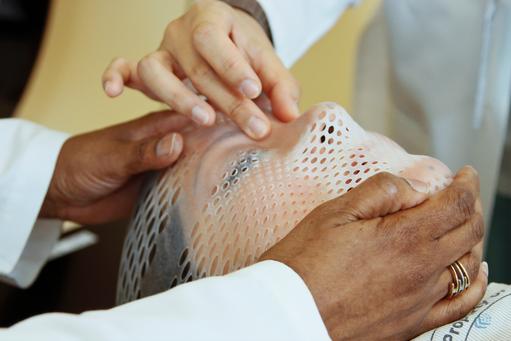
Radiation therapy employs high energy radiation along a spectrum of different wavelengths. The type and amount of radiation that a patient receives is carefully calculated to destroy cancer cells, while causing as little damage as possible to surrounding healthy tissue. With advances in technology, clinicians are able to give powerful doses of radiation quickly with pinpoint accuracy, targetting only the tumours, sparing nearbly healthy tissue and keeping toxicity levels low. The treatment has minimal side effects.
The genesis
Radiation therapy has its genesis in late 19th century medical experiments undertaken soon after the discovery of X-rays. Twice Nobel Laureatte Marie Curie discovered radium in 1898 and later coined the word "radiation". Radium was used successfully to treat lupus and later was found in hot spring water, which was then marketed as a cure for arthritis, gout and neuralgias.
In the early 20th century, medical science believed that small doses of radiation were harmless and the effects of large doses temporary. Marie Curie was a casualty of this misconception. The widespread use of radium in medicine ended when it was discovered that physical tolerance of radiation was lower than anticipated and exposure resulted in long term cell damage.
In 1934 Marie Curie died of aplastic anemia contracted by excessive exposure to radiation and is buried in a lead-lined coffin. During her life she regularly carried tubes of radioactive isotopes in her pockets and commented on how beautifully they glowed in the dark. Her laboratory is preserved at the Musee Curie, but all her scientific papers are too dangerous to handle and scholars who want access to them have to wear special protective clothing.
Variation in Service
Radiation therapy provision varies significantly across Europe. This is partly because of the financial and technical investments required to establish and operate radiation therapy centres.
In January 2013 The Lancet published a 33 country comparative European study of radiation therapy provision. Researchers found significant disparities in access to radiation treatment, substantial unmet needs and a fair amount of service fragmentation. The Netherlands, Nordic countries and the UK employ a centralized approach, with services concentrated in a few large centres, while in most other European countries the service is more dispersed and facilities vary in size and capacity. The annual number of cancer patients per radiation therapy system ranges from 307 in Switzerland to 1,583 in Romania.
Exquisite accuracy
The late 1990s was a period of progress in radiation therapy with the advent of 3D radiation therapy, intensity-modulated radiation therapy (IMRT) and image guided radiation therapy (IGRT) and today, stereotactic body radiation therapy is widely practiced. This differs from conventional radiation treatment and employs multiple imaging modalities such as PET-CT and MRI, which allows the delivery of high doses of radiation with exquisite accuracy to targeted lesions.
Are healthcare systems and radation therapist ready for the future
Radiation oncology continues to evolve as clinicians and medical scientists climb further up the seed-chain of technology and consider next-generation techniques such as adaptive radiation therapy, which focuses on real-time treatment planning. Recently, the University of Texas, MD Anderson Cancer Center in Houston, US, joined an international research group dedicated to merging radiation therapy and MRI technology, which is expected to deliver images of a patient's soft tissues and tumours during therapy.
The MIMA Cancer Center in Melbourne, Florida, US has invested heavily in radiation therapy and its technological infrastructure. It uses information technology to pull together the interfaces between its treatment planning, treatment delivery and information management systems and provides a repository for images, clinical documentation, scheduling, treatment plans and follow-ups. MIMA is paperless and treatment planning images are immediately sent to treating physicians' image enabled cell phones, which allows them to view images and check data anywhere and at any time. Treating physicians also use their mobile phones to show patients images of their progress.
Such technologies are expected to enhance radiation therapy, but they are also expected to generate petabytes of patient data, increase collaborative and image-dependent workflow and require significant investments in information technology infrastructure.
Are healthcare systems and radiation therapist ready for this?

|
|

Earnest Hemingway, the novelist, used to say he, "drank to make other people more interesting".
Today, binge drinking is a silent epidemic.
Often unrecognized, binge drinking is a serious issue among British and American young women.
In the US, nearly 14 million women binge drink about three times a month and each year nearly 1,400 American college students die from binge drinking.
Professor Dame Sally Davies, the UK’s Chief Medical Officer, highlighted the rising tide of UK deaths from alcohol related liver disease. "We really have young people who are binge drinking and it is damaging their livers.” Liver disease costs the UK NHS £1 billion a year.
A hidden problem
In addition to causing liver disease, binge drinking also increases the chances of breast cancer, heart disease, sexually transmitted diseases and unintended pregnancy.
Researchers at University College London have recently reported that alcohol consumption could be much higher than previously thought, with more than three quarters of people in England drinking in excess of the recommended daily alcohol limit.
Since the beginning of 2010 more than 2,400 more girls than boys have been seen by hospitals because of alcohol. Suggesting that alcohol abuse appears to have a much greater immediate effect on women than men.
The ladette culture of binge drinking is not confined to young women. UK Department of Health figures show that in 2010 there were 110,128 alcohol related hospital admissions for women between 35 and 54. A switch to drinking at home has contributed to the problem of women increasingly drinking.
In February 2013 the debate over a minimum price for alcohol was reopened by a report by the Alcohol Health Alliance, a coalition of 70 health organisations and published by the University of Stirling. It recommends that a 50p minimum charge for a unit of alcohol is needed to end the "avoidable epidemic" of binge drinking deaths.
Dr Paul Southern, a consultant hepatologist at Bradford's Royal Infirmary Hospital in the UK, said that people in their 20s are dying from liver disease caused by binge drinking and children as young as 12 are falling prey to the “pocket money alcohol business.”
According to Dr Southern there is, “only one single effective deterrent (for binge drinking) and that is taxation.” While recognising the problem of binge drinking the UK government has not yet delivered a solution.
A cultural change
While supporting the call to increase the price of a unit of alcohol sold in supermarkets, Professor Dame Sally also suggests that, "We need a cultural change.”
Mobile Apps are now available for predicting alcohol abuse, using research-based questionnaires to help patients determine if they are at risk, while other more light-hearted Apps allow users to see the effect of alcohol abuse on their future appearance.
Innovative ideas to make people think twice, but with little research evidence available, several doctors have come out against such aids saying that they wouldn’t recommend such Apps without empirical evidence in place to support their effectiveness.
In such settings is scientific medicine holding back opportunities for mHealth?

Can patient aides, comprised of online video content libraries of trusted health information, enhance shared decision making between patients and their doctors, lower costs and increase the quality of healthcare? American payors think they can.
Both ends of the stethoscope
We know very little about the hidden dynamics of doctor-patient relationships. We do know however, that doctors have a moral and legal obligation to inform patients about their medical conditions and explain treatment options, but only patients have the right to decide on their treatment. So, how do patients decide about competing treatment options?
For example, how do women, diagnosed with breast cancer, choose between a mastectomy and a lumpectomy? How do mothers choose between Gardasil and Cervarix for their daughters?
Peter Ubel, a professor at Duke University and author of Critical Decisions, provides some insights into the elusive world of private medical consultations between doctors and their patients. According to Ubel medical consultations are fraught with a multitude of unresolved communication issues because doctors', "moral obligations to inform patients, outstrip their abilities to communicate".
In the US there is mounting concern that doctors are aggressively pushing for more costly invasive procedures, even though they may not be any better or safer than slower and simpler ones. Ubel describes how hidden dynamics in doctor-patient relationships and the dearth of premium, trusted and independent patient aides, prevent patients from making optimal medical decisions. This, he says, increases costs and lowers the quality of care.
Spurious online health information
Doctor-patient relationships are further complicated by the ease that patients can access spurious and misleading online health information. It’s true that they also have access to accredited online medical information such as that provided by WebMD. The difficulty however, is for patients and their carers to judge between legitimate and spurious online medical information.
This is confirmed by research published in 2010 by the US National Institute of Health, which reported that over 75% of all people who search online for health information encounter difficulties in understanding what they find and as a consequence become frustrated and confused.
In December 2012, such difficulties resulted in a UK mother, Sally Roberts, denying her seven year old son Neon radiotherapy to treat his brain tumour. Information she found on the internet convinced her that radiotherapy would do more harm to her son than good. The UK hospital treating Neon disagreed, took legal action and a High Court Judge ruled that Neon should receive radiotherapy.
The increasing importance of video in healthcare
US payors are becoming increasingly confident that online video libraries of premium trusted medical information that assist patients to reach more informed decisions about their health are important in shifting emphasis away from clinicians towards patients and their needs, wishes and preferences.
Large US hospital groups are producing trusted and reliable consumer aids that they are using to create, develop and manage specific online patient communities. One example is the Cleveland Clinic, which employs online videos to share health tips and clinical research with patients.
Why video?
One reason video has become so popular among patients is because it delivers a human-touch to health information that digitalized written words don’t. So it’s not surprising that video is the preferred format for patients to receive health information, which increasingly they access on smartphones.
American initiatives
The main push for patient aides to inform shared decision making is from the US Government and health payors and is driven by their efforts to control escalating healthcare costs while improving the quality of care.
For the past six years the state of Massachusetts has produced videos to help terminally ill patients and their carers better understand end-of-life decisions. Washington State, among others, provides patients with video aides to support shared decision making. And three patient aide projects sponsored by the Center for Medicare & Medicaid Innovation are expected to yield savings of more than US$130 million within three years, while enhancing the quality of healthcare.
According to James Weinstein, CEO and President of the Dartmouth-Hitchcock Health System, comprised of 16 medical centres that treat millions, “Patients want to have good information about their health care decisions, which is independent of any bias.”
Jack Daniel, Executive Vice-President of Med-Expert International, a Californian based company, which produces patient aides for people on Medicare and Medicaid said, “When a person calls us we can say here’s what the world’s best medical minds are saying about your condition.”
Takeaways
In 2010 business leaders participating in the prestigious Salzburg Global Seminar concluded that, “Informing and involving patients in decisions about their medical care is the greatest untapped resource in healthcare." Shared decision making they said, “is ethically right and practical, since it lowers costs and reduces unwarranted practice variations”.
Over the past 30 years patients have become better educated and better informed about their healthcare options. Everything suggests that this is just the beginning. Over the next decade, healthcare systems will be increasingly challenged by aging populations, escalating incidences of chronic diseases and fiscal constraints and consumers and communications will assume a more pivotal role. This will accelerate the need for premium, trusted, online health information that patients can access at speed, anytime, anywhere and anyhow.
Until patient aides become commonplace we will not change the way we communicate inside hospitals and doctors’ surgeries. Health costs will continue to rise, the provision of healthcare will continue to be stretched and the quality of care will continue to be challenged.

“If I’d known I was going to live this long I would have taken better care of myself.” Memorable words from Eubie Blake, the American jazz composer, lyricist and pianist who died in 1983 at the age of 96. Today, people do take better care of themselves. Examples of people who do, include rock legends Mick Jagger and Paul McCartney, the badboys of the 1960s who became the goodboys of the 1990s. Now, at 70 and 69 respectively, they continue to work, support worthy causes and enjoy a good quality of life.
Over the past 50 years, the number of people over 65 in the developed world has tripled and is projected to triple again by 2050. The UK’s Office of National Statistics forecasts that a third of babies born in 2012 will live to 100. “Age is uninteresting,” said Groucho Marx, “All you have to do is to live long enough.” Age, however has become interesting as it is an unavoidable part of the human condition and a significant challenge for nations where millions will be retiring with a third of their lives still ahead of them. They will no longer be productive, but will be in need of healthcare. Healthcare systems have been slow to adjust to the new realities of aging populations and the financial costs of treating the elderly.
One way for nations to manage retirement and aging was suggested by Euripides in 500BC. “I hate men,” he said, “who would prolong their lives by foods and charms of magic art, preventing nature’s course to keep off death. They ought, when they no longer serve the land, to quit this life and clear the way for youth.” Euripides’ sentiment resonates today. In advanced industrial economies there is a relatively low tolerance of elderly people. This is manifest in the number of offences against elderly vulnerable patients, which involves neglect and physical violence. In his 2013 Report into the UK's Mid-Staffordshire NHS Foundation Trust, where hundreds of patients had died as a result of inadequate care, Robert Francis said that between 2005 and 2009 patients were subject to, “appalling and unnecessary suffering”. In June 2012, at a conference in London’s Royal Society of Medicine, Professor Patrick Pullicino claimed that each year UK National Health doctors prematurely end the lives of about 130,000 elderly hospital patients because they are difficult to manage and to free up beds for younger patients.
According to a UN Report presented at the World Assembly on Aging in 2002, population aging is an unprecedented global phenomenon. The 21st century will witness more rapid aging than did the 20th century and countries that started the process later will have less time to adjust. There will be no return to the young populations of previous generations and aging populations will have profound implications for healthcare.
Moralists argue that healthcare is a human right and all people should be treated similarly unless there are sound moral reasons not to do so. But, who pays? Daniel Callahan, a contemporary philosopher widely recognized for his innovative studies in biomedical ethics has an answer. Invoking Euripides he argues that age should be a limiting factor in decisions to allocate certain kinds of health services to the elderly. The demographic shift, says Callahan, increases competition for scarce healthcare resources and therefore healthcare should be rationed. Life extending care for the over 70s should be replaced with less expensive pain relieving treatment. Opponents of rationing suggest that wealthy governments should reduce their defense spending and increase their commitment to healthcare and enact reforms to cut costs and improve the efficiency of healthcare systems.
Callahan, however, has little faith in political leaders to deliver cost cutting strategies and argues that calls to cut healthcare waste and inefficiency have been made for decades with no effect. This is definitely the case in the UK where subsequent governments have failed to reconcile escalating costs of healthcare with maintaining and improving the quality of care for the elderly. According to Callahan, “Our whole health care system is based on a witch’s brew of sacrosanct doctor-patient autonomy, a fear of threats to innovation, corporate and (sometimes) physician profit-making, and a belief that, because life is of infinite value, it is morally obnoxious to put a price tag on it.”
Some age related incurable diseases that affect mostly older people in wealthy countries have contributed to the ghettoizing of age. One such disease is Parkinson’s, a progressive degenerative neurological movement disorder, which affects between six and 10 million people worldwide. In the US, the combined direct and indirect costs of Parkinson’s disease is estimated to be nearly US$25 billion per year. Medication costs for an individual person with Parkinson’s is on average US$2,500 a year and therapeutic surgery, such as deep brain stimulation, can cost up to US$100,000 dollars per patient.
However, not all age related diseases are like Parkinson’s. Indeed, it is not altogether true that old age corresponds to debilitating diseases and hikes in healthcare costs. Indeed, healthy years among the elderly are increasing and the spike in health costs tend to be in the last two years of life, regardless whether a person is 99 or nine. Rather than viewing the elderly as a burden and assessing them by their chronological age, it might be more appropriate to view them as assets and assess them by their number of healthy years. Healthy years are not necessarily years without illness, but years in which people manage whatever medical conditions they might have. A good example of this is Dame Maggie Smith, the English film, stage and television actress, who at the age of 78 has recently won a Golden Globe Award for her role as the Dowager Countess of Grantham in the television series Downton Abbey.
Longevity is one of the greatest successes of 20th century medical science and nutrition, but its challenges include the dearth of health workers with geriatric skills, the prevention of physical disabilities and the extension of healthy years. Recent studies suggest that healthy aging is possible and chronic non communicable illnesses such as heart disease, diabetes and dementia, may be delayed or prevented by certain lifestyle choices. Notwithstanding, currently there are millions of elderly people who have not taken good care of themselves and require specialist geriatric care.
In the US there is a monetary disincentive for doctors to specialise in geriatrics since geriatricians earn significantly less per year than more mainstream specialists. Further, only 11 of the 145 US medical schools have fully fledged geriatric departments. In 2010 the US federal budget allocated $11 million to fund geriatric education. Interestingly, today a substantial amount of geriatric care in wealthy countries is undertaken by health professionals trained in poorer countries. This raises ethical questions about rich countries encouraging the immigration of health workers from countries that lack them and the responsibilities of migrant health professionals to countries of their origin. Although geriatricians in the UK are well compensated, the British Geriatric Society reports that the number of geriatricians is not keeping pace with the needs of geriatric care.
According to the OECD between 10% and 20% of populations in developed economies require long term care and costs between 1% and 2% of GDP and these costs are projected to increase. The costs of long term care are skewed because a significant proportion of elderly care is carried out by informal, unpaid carers who are often family members. For example, in the UK there are 1.5 million official carers and about 5 million unpaid carers. In the developing world the situation is more extreme and some 60% of people over the age of 60 live with their children or grandchildren. While familial care may yield significant benefits, it is not a long term solution because as developing economies become more westernized, their family structures become more nuclear and less able to provide the support and care that they do now.
According to the first noble truth of Buddhism, life is painful and involves suffering. For a significant proportion of elderly people this is certainly the case, but it need not be. On an individual level, living longer must be welcome, but more generally, the greying of populations is perceived in terms of increased costs and pressure on overstretched healthcare systems, rather than freeing-up valuable resources that may contribute to society. Although elderly people tend to have long term medical conditions, increasingly they are successfully managed to allow a good quality of life. Old age is not a disease. Elderly people are a valuable resource of intellectual capital and knowhow, which nations cannot afford to waste. Unlocking this reservoir of grey-knowledge is important for the future wealth of nations. Let us hope nations have something better to offer their elderly than to call on them to do as Captain Oates did on the 16th March 1912. On his return from the South Pole, Oates, convinced that his ill health compromised his comrades, walked from his tent into a blizzard saying, "I am just going outside and may be some time.” He was never seen again.
Whose age is it anyway?

You can’t see “it”. You can’t touch “it”. “It” tends to creep up on you unnoticed. Every year “it” kills tens of millions and costs billions. “It” destroys households, communities and even nations. "It" has been described as "the biggest threat to the 21st century.”
“It” is chronic non communicable diseases (NCDs): cancers, cardiovascular diseases, respiratory conditions and type2 diabetes, four of the biggest killers that have emerged as one of the greatest social and economic development challenges of this century.
In December 2012, the Lord Crisp, representing the All Party Parliamentary Group on Global Health, introduced a debate in the Atlee Suite of the London Houses of Parliament on NCDs. Drawing on his experience as a former CEO of the UK’s National Health Service he suggested that the global NCD burden may only be successfully addressed by changing the way healthcare is delivered. Other speakers emphasised the complexity of global health issues.
From a global health perspective, NCDs now account for more deaths every year than AIDS, tuberculosis, malaria and all other causes combined and result in roughly two out of three deaths worldwide. Mental illness, which has significant health, social and economic implications, is also considered by some as a NCD, but rarely leads to mortality.
A 2011 report produced by the World Economic Forum and the Harvard School of Public Health, argues that, “Over the next 20 years, non communicable diseases will cost more than US$30 trillion, representing 48% of global GDP in 2010 and pushing millions of people below the poverty line. Mental health conditions alone will account for the loss of an additional US$16.1 trillion over this time span, with dramatic impact on productivity and quality of life.”
NCDs are often viewed as diseases of affluence as their prevalence is highest in wealthier countries and are caused by bad diets and sedentary lifestyles. The economic impact of NCDs in rich nations is compounded by the ageing and shrinking of their populations and extends beyond the costs to health services since they affect economies, households and individuals by reducing labour productivity, increasing medical treatment costs and lost savings. Over time developed economies have accumulated knowledge and expertise to treat and manage NCDs. In developing nations, however, NCD's are a relatively recent phenomenon, but currently, they are growing exponentially and each year kills millions at dramatically young ages. This is because developing economies lack the knowledge and expertise to treat and manage the diseases and their policy makers show little interest in the prevention and control on NCDs.
This knowledge gap between developed and developing economies exacerbates the global NCD burden. Narrowing it entails capturing and organising relevant healthcare knowledge from wealthy nations, transferring it to developing countries and distributing it to where it is needed the most. Such narrowing of the global NCD knowledge gap will help significantly to reduce and manage the global NCD burden, but this will only be achieved by widespread use of cost effective healthcare technology.
What is the most ubiquitous healthcare innovation? . . . . . . . . . . . . . . . . . . . . . . . the mobile telephone and the smartphone, which combines telephony and computing. Although operationally relevant, such devices are underdeveloped healthcare applications. In today’s world, the implementation of any global healthcare strategy should not be contemplated without leveraging telephony and computing technologies. As the reduction and management of NDCs is increasingly about scarce information and connectivity, these technologies and mHealth should become increasingly important.
Despite its underdeveloped status, over the past decade, mHealth programmes, which use mobile telephones to distribute health information, have increased significantly in developing economies, especially in Africa. They are suggestive of scalable, cost effective strategies to help reduce the NCD knowledge gap and address the growing global burden of NCDs.
Recently, the FDA has approved a number of mobile phone-based medical imaging and data monitoring devices. One is a $99 electrocardiogram, which allows remote patients to monitor their heart rhythms at anytime from anywhere. The mobile app gives immediate feedback and data can be simultaneously relayed to a cardiologist anywhere in the world for a specialist opinion.
Microsoft is taking advantage of mobile telephony’s broad reach in Africa to develop an integrated healthcare information service, which serves both health workers and the general public. The system uses mobile phones to allow health workers to capture, store and process, transmit and access health information. Importantly, Microsoft has demonstrated that this lowers costs and enhances efficiency by eliminating redundancy and reducing the amount of time devoted to health information input. The public can also turn to the system for information: individuals pose frequently asked questions about health issues via SMS messages and receive replies straight to their mobile phones. Despite a high proportion of the users being poor, migrant, illiterate rural workers, Microsoft is convinced that its African mHealth service has the potential to become a valuable tool and is increasing its scope.
A study, published in the American Journal of Managed Care, concluded that mHealth can improve the management of diabetes and other NCDs while reducing visits to clinics. It argues that personalised healthcare is an under-represented feature in the management of NCDs and suggests that social media concepts developed by Facebook might be used in the self-management of NCDs and merit more consideration.
The International Telecommunications Union estimates that mobile subscribers worldwide reached 6.5 billion by the end of 2012 and is projected to reach eight billion by the end of 2016. Cheaper handsets, ever-decreasing data charges, the improvements in phone web browsers and increased 3G coverage have fundamentally changed the way we use our phones, resulting in smartphones increasingly becoming used as healthcare devices.
According to Strategy Analytics, in Q3 2012 the number of smartphone users globally rose to above a billion and the current paths of mobile technology and social networking are inextricably linked. Currently, some 650 million people globally use their mobile for emails and social networking. Although smartphone users make up only 13% of the world’s mobile users, they generate two-thirds of the world’s mobile traffic. Over the next five years this data traffic is expected to increase by 700% on average per user. By 2015 the number of smartphone users is expected to reach 1.4 billion, which will represent about 30% of total mobile subscribers worldwide.
Today, Australia, UK, Sweden, Norway, Saudi Arabia and UAE each have more than 50% of their population on smartphones. The US, New Zealand, Denmark, Ireland, Netherlands, Spain and Switzerland have greater than 40% smartphone penetration. All these countries have an escalating burden of NCDs. Mobile phone penetration across Africa is around 70%, but smartphone penetration in Africa is only 10% to 15%. Nigeria is the leading African country in smartphones with a penetration 41%, followed by South Africa with 31% and Kenya with 7%. However, the costs of smartphones are falling and telecom companies, such as Huawei and ZTE, are aggressively driving smartphone sales in the developing world’s rapidly modernizing consumers and looking to lift smartphone penetration in Africa closer to the 70% level. In February 2011 Huawei partnered with Safaricom, to offer the Android-based Ideos smartphone to the Kenyan market for US $80. Huawei is now attempting to build on the Ideos’ momentum in Nigeria.
These trends suggest that there are significant opportunities to reduce and manage NCDs by healthcare programmes piggybacking on existing global and local mobile networks. Narrowing the global NCD knowledge gap requires targeting risk factors and promoting healthier lifestyles. This means focused prevention efforts while mitigating the impact of NCDs on economies, health systems, households and individuals. Such a strategy must involve individuals, households and communities because the causal risk factors are deeply embedded in the social and cultural framework of communities. This will require a significant change in the way healthcare is implemented: a move away from diagnosis and treatment towards prevention and the promotion of wellbeing.
To reduce premature morbidity and mortality caused by NCDs, governments will need to invest in mHealth strategies to improve patient awareness of their own health and encourage them to manage their own wellbeing. Over time, this should free up resources that can then be focused on the patients most in need, while relieving the economic burden of NCDs on society as a whole and eventually leading to increased productivity.
The Lord Crisp is right to suggest that the global NCD burden will only be successfully addressed by changing the way healthcare is delivered.
The “complexity” of global health issues, suggested by speakers at the London NCD debate, is more a function of the forces protecting the status quo rather than the issues themselves. Mobile networks are ubiquitous. mHealth is operationally relevant. Governments are slow to address effectively the NCD burden. Is the missing part recruiting the help of Mark Zuckerberg?