

Tag
Sponsored
 6 months, 2 weeks ago


 Facebook
 Twitter
 Google+
 LinkedIn

Directory:
Tags:
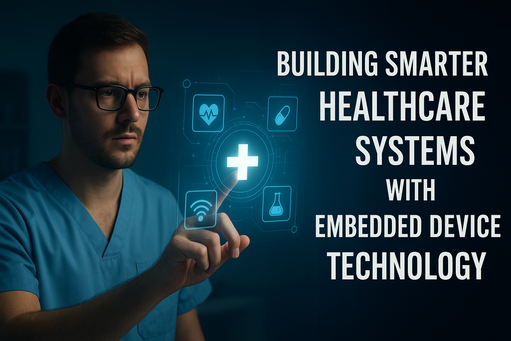
The healthcare industry is undergoing a digital revolution powered by technologies that connect devices, patients, and providers in ways never before possible. At the core of this transformation lies embedded medical device technology—compact, intelligent systems that collect, process, and transmit critical health data. From wearable monitors that track vital signs in real time to advanced medical imaging devices powered by embedded processors, these technologies are building the foundation of smarter, more connected healthcare systems.
In this blog, we’ll explore how embedded device technology is shaping the future of healthcare, the benefits it delivers, key challenges, and what lies ahead.
What is Embedded Device Technology in Healthcare?
Embedded device technology refers to specialized hardware and software systems designed to perform dedicated functions within a larger device. Unlike general-purpose computers, embedded systems are optimized for efficiency, accuracy, and real-time performance.
In healthcare, embedded systems are integrated into medical devices to monitor patient data, perform diagnostics, manage drug delivery, and even assist in robotic surgeries. Examples include:
- Wearables: Smartwatches and patches that monitor heart rate, glucose levels, and sleep patterns.
- Medical Imaging Devices: MRI and CT scanners with embedded processors that deliver clearer, faster results.
- Implantable Devices: Pacemakers and insulin pumps that continuously regulate vital functions.
- Smart Hospital Equipment: Infusion pumps, ventilators, and monitoring systems connected via IoT.
These technologies don’t just collect data—they process it locally, ensuring low latency, reliability, and real-time decision-making, which is crucial in critical care.
How Embedded Devices Are Transforming Healthcare
1. Real-Time Patient Monitoring
Embedded sensors in wearable and implantable devices enable continuous monitoring of vital signs such as heart rate, oxygen saturation, and blood glucose levels. Unlike traditional periodic checkups, these devices provide real-time alerts to healthcare providers, reducing the risk of undetected emergencies.
Example: A patient with a cardiac implant can have irregular heart rhythms detected instantly, prompting immediate medical attention.
2. Smarter Diagnostics with AI Integration
Embedded systems often include AI and machine learning algorithms that analyze patient data on the spot. This enhances diagnostic accuracy and reduces the burden on physicians.
Example: AI-powered ultrasound machines with embedded chips can highlight potential abnormalities in real time, improving early disease detection.
3. Enhanced Drug Delivery and Therapy Management
Smart infusion pumps and insulin delivery systems rely on embedded controllers that ensure precise dosage and timing. This not only minimizes human error but also enables personalized therapy.
Example: Closed-loop insulin pumps automatically adjust insulin levels based on real-time glucose readings, reducing the risk of hypo- or hyperglycemia.
4. Robotics and Minimally Invasive Surgery
Embedded processors are the backbone of robotic-assisted surgical systems. These devices provide surgeons with enhanced precision, stability, and control.
Example: Robotic arms used in orthopedic or cardiac surgeries rely on embedded motion-control systems for highly accurate movements.
5. Smart Hospital Infrastructure
Embedded devices also extend beyond patient care into hospital operations. Smart beds, connected monitoring systems, and energy-efficient medical equipment help hospitals improve efficiency, reduce costs, and enhance patient comfort.
Benefits of Embedded Device Technology in Healthcare
- Improved Patient Outcomes
- Continuous monitoring and real-time alerts reduce emergencies and hospital readmissions.
- Greater Accessibility
- Wearables and home-monitoring devices empower patients to manage health outside of clinical settings.
- Data-Driven Decision Making
- Embedded devices collect massive amounts of data, enabling predictive analytics for better care planning.
- Cost Efficiency
- Automation and remote monitoring reduce manual intervention and hospital visits, lowering healthcare costs.
- Personalized Medicine
- Devices adapt to patient-specific needs, creating individualized care pathways.
Challenges and Considerations
While the benefits are vast, adopting embedded device technology comes with its own set of challenges:
- Data Security and Privacy
- With sensitive patient data being transmitted, embedded devices are prime targets for cyberattacks. Strong encryption and compliance with healthcare regulations (HIPAA, GDPR) are crucial.
- Interoperability Issues
- Healthcare systems often use different devices and platforms that may not communicate seamlessly. Standardization is key to building fully connected systems.
- Regulatory Compliance
- Medical devices with embedded technology must go through rigorous testing and regulatory approvals, which can delay innovation.
- Power and Battery Limitations
- Implantable and wearable devices require long-lasting, reliable power sources. Advances in low-power embedded chips and energy harvesting are helping address this.
- Scalability and Cost
- While embedded systems reduce long-term costs, the upfront investment in smart devices and integration can be high for healthcare providers.
The Role of IoT and Cloud in Embedded Healthcare Systems
The true power of embedded devices is unlocked when combined with IoT and cloud platforms. Devices collect and process data locally, but also send information to cloud systems for deeper analysis, storage, and sharing.
- IoT Connectivity: Enables seamless communication between patient devices, hospital equipment, and healthcare providers.
- Cloud Analytics: Supports large-scale data analysis for population health management and research.
- Remote Care Models: Telemedicine platforms leverage embedded devices for continuous virtual patient monitoring.
This convergence is paving the way for connected healthcare ecosystems where care is proactive, predictive, and personalized.
Future Outlook: What’s Next for Embedded Device Technology in Healthcare?
The future of healthcare will be smarter, more autonomous, and more patient-centered, driven by advances in embedded technologies. Some upcoming trends include:
- Edge AI in Medical Devices: More intelligence will be built directly into devices, reducing reliance on cloud computing and improving response times.
- Next-Gen Wearables: Devices capable of monitoring multiple health parameters simultaneously, with greater accuracy and comfort.
- Bio-Compatible Implants: Embedded devices that integrate seamlessly with human tissue and adapt to changing conditions.
- Blockchain Integration: Enhancing security and trust in medical data sharing.
- 5G-Enabled Healthcare Systems: Ultra-low latency communication enabling real-time remote surgeries and enhanced telemedicine.
Conclusion
Embedded device technology is redefining the way healthcare systems operate—making them smarter, more connected, and more patient-focused. By enabling real-time monitoring, smarter diagnostics, precision drug delivery, and hospital automation, these technologies are setting the stage for a healthcare ecosystem that is proactive rather than reactive.
While challenges such as security, interoperability, and cost must be addressed, the potential benefits far outweigh the hurdles. The integration of IoT, AI, and cloud with embedded systems will only accelerate this transformation, bringing us closer to a future where healthcare is personalized, predictive, and universally accessible.
As healthcare providers and technology innovators continue to collaborate, embedded device technology will remain at the forefront of building a healthier and smarter world.