Tag

Tagged: commentary

Sponsored
 
Is the communications guru, Maurice Saatchi right in thinking that the law is an obstacle to finding a cure for ovarian cancer?
 
There’s a bigger and more substantial obstacle: poor communications.
 
Saatchi might consider using his abilities, honed in building global advertising agencies, to improve ways scientists and doctors communicate and share clinical data and tumour samples in their endeavours to find a cure for ovarian cancer.  
 
Saatchi’s Medical Innovation Bill
In 2012 Saatchi introduced a private member’s bill to the UK’s Parliament, “to show that scientific progress has been stopped by law” and to encourage new therapies by legalizing the ability of doctors to use experimental treatments even if there is no proof they work. 
 
In 2011, Saatchi’s wife, the novelist Josephine Hart, died of ovarian cancer. He described her treatment as, "medieval, degrading and ineffective.” Doctors, he said, aren’t receptive to new and innovative therapies and don’t move away from the tried and tested, but unsuccessful treatments they know.
 
Speaking of his wife, he said, “She would have had the same procedure anywhere in the world: same drugs, same operation, same everything.” Saatchi’s Medical Innovation Bill is designed to change this by liberating doctors from generally accepted medical protocols and encouraging them to innovate.
 
Rarely in the UK does a private member’s bill become law, but Saatchi has triggered an important debate.  
Some Facts
Ovarian cancer is an age related silent killer of women. There is no effective early detection method for the disease and therefore it’s mostly diagnosed in advance stages. It accounts for five per cent of all cancer deaths among women. The average age for the onset of the disease is 63.
 
Each year, more than 204,000 women are diagnosed with ovarian cancer worldwide. About half die within three years of being diagnosed, partly because so few drugs exist to stop the cancer metastasising and no new treatment has been introduced for more than a decade.
 
Ovarian cancer and commercial interests
Despite being the most frequent cause of cancer related death from gynaecologic malignancies, ovarian cancer does not attract the same level of R&D interest from pharmaceutical companies as some other cancers. This is because pharmaceutical companies create value for their shareholders by concentrating their research resources on the discovery and development of patented blockbuster drugs that are expected to dominate the largest disease states for the duration of their patents.
 
As a result, smaller disease states, such as ovarian cancer, suffer from a relative lack of pharma-backed research resources. As a consequence, ovarian cancers’ mortality rates remain high, detection rates remain low and treatment options do not improve.
 
Obstacle to change
Saatchi has a point about English law. In 1957 an English High Court judge ruled that doctors must act in accordance with, “what the majority of doctors do, even if there are opposing medical views.” This ruling set a precedent for medical negligence cases and is reinforced by the world’s largest professional body for oncologists: the American Society of Clinical Oncology, which promotes evidence based treatment protocols for all cancers to its 30,000 plus members.   

Supporters & detractors
Saatchi’s Bill has its supporters. Lord Howe, the Minister of Health, believes that UK approvals for new treatments are “unacceptable” slow. "It takes an average of 17 years for only 14% of new scientific discoveries to enter day-to-day clinical practice," he said.
 
The Bill also has its detractors. Professor Karol Sikora, a leading authority on cancer and a director of CancerPartners UK, believes Saatchi’s proposal is unnecessary. "If a doctor wants to do something different and the patient consents, doctors can do wacky things," says Sikora, citing the alternative medicine industry, where there is little evidence to suggest that treatments work.
Targeted therapies
The science that underlies cancer therapies has changed from chemistry to genetics. Chemistry fuelled the growth of the pharmaceutical industry in the early to mid 20th century, which has now matured. In the late 20th century genetics gave birth to a new biopharmaceutical industry, which is growing rapidly.
 
Biopharmaceuticals, based on genetics and molecular science have given rise to targeted therapies and personalised medicine. This tailors medical decisions, practices and therapies to individual patients and corrects abnormalities at a molecular level. Such therapies offer the potential to reduce cancer’s unacceptably high mortality rates and raise its unacceptably low detection rates.
 
Several targeted therapies have been approved. The most well known is trastuzumab, which is marketed as Herceptin and used in early stage breast cancer patients with high levels of the HER2 protein.
 
Improved global communications and a cure for ovarian cancer
Targeted therapies require significant data flows between scientists and doctors: the bench-to-bedside approach.  Currently, at best, this is inefficient and at worse, it’s simply not done.
 
Breakthroughs in ovarian cancer research will not occur without significantly improving:
 
1. The collection and standardization of vast clinical data sets from different geographies
2. The creation and development of large-scale interconnected tumor banks with standardized tissue samples also from different geographies
3. The management and distribution of these vast clinical data sets and tumor samples to scientists able to combine genomic and clinical data, which is a necessary prerequisite for genetic, epigenetic and proteomic analysis.
 
Ovarian cancer breakthroughs will not come from professional cancer associations, nor from the endeavors of small charities and nor from doctors alone. All are inexperienced in global communications and big data management. Breakthroughs are more likely when well-resourced global organizations with highly developed big-data management skills get involved in medical research.
 
In September 2013 we came a step closer to this, when Google co-founder and CEO Larry Page announced that he is planning to launch Calico, a new company to use Google’s data-processing strength to shed new light on age-related maladies.
 
In a similar vein, Jonathan Milner the biotech millionaire and a founder of Abcam, one of the world’s largest retailers of research antibodies, is backing a venture to create a Wikipedia of genetic disease data to help diagnose an array of uncured conditions.   
 
Key takeaway
Maurice Saatchi should consider trading his ermine robes for shorts and T-shirt and head to Mountain View, California and combine his considerable communications skills and energies with those of Larry Page in an endeavour to, change the ways medical scientist create, share, communicate, collaborate and do research.”   


view in full page

Traditional marketing for GPs is dead and a waste of money.

The information age has shifted the balance of power from GPs to patients. Today, patients use social media to share information about health providers at lightning speed, 24-7: 365 days a year and doctors can't stop it.

More telling is the fact that 35% of all patients who use social media say negative things about doctors, 40% of people who receive such negative information believe it and 41% say it affects the choices they make. Social media is the new frontier of reputation risk for doctors.

Some facts

According to a number of recent surveys, 84% of US health providers have Facebook pages, 64% have Twitter accounts, 46% post videos on YouTube, a significant percentage have profiles on LinkedIn and 12% blog. These data are indicative of what's happening in the UK. However, because doctors increasingly participate in social media doesn't mean that they are using it optimally.

Few doctors understand how social technologies interact with patients. Few use social media to reduce negative patient conversations, increase referrals, expand their services, enhance their reputations, drive loyalty and increase revenues. There are at least three reasons for this:

  • Although patients increasingly engage in social media conversations, doctors don't know how to influence these
  • Doctors tend to define social media technically and fail to leverage the behavioural aspects of the medium, which facilitate faster, cheaper, easier and larger scale social interactions than before
  • There is no single measure of social media's financial impact, and therefore doctors find it difficult to justify allocating resources to an activity whose precise effect remains unclear.

Reputations defined by patients

Thirty three percent of all patients use social media to seek medical information, track symptoms and broadcast opinions about doctors, drugs and treatments. Age is a factor: 50% of seniors; 45% of 45 to 65 year olds and 90% of 18 to 24 year olds use social technologies to do these things. Ninety percent of everyone who uses social media trusts the health information they receive.

Although it's difficult to quantify the impact that social media has on health providers, we know that patients use social technologies throughout their entire therapeutic journeys to form opinions and help them make critical choices.

Being visible is being credible

Increasingly, patients are using social networks to obtain answers to healthcare questions and to research disease states. If a health provider has a poor internet presence, patients will question their services and expertise. A weak website with poor information will trigger huge numbers of negative conversations that tarnish reputations.

Being visible is made difficult by the size and structure of the online health market. There are over two billion websites dedicated to health in an unregulated and fragmented global marketplace. This, not only makes it difficult for health providers to gain visibility, but it frustrates and confuses patients seeking health information, which impacts on the doctor-patient relationship.

Video has become the preferred format of consumers to receive health information. Also internet browsers put a high premium on video content, so websites that use video appear higher in search hierarchies and are more appreciated by patients.

Provide what patients' want

Seventy percent of patients who search online for health information want specific answers to FAQs about disease states: symptoms, diagnosis, treatments, side effects and aftercare. Patients want access to health information at speed from anywhere, any time and anyhow. Smartphones are fast becoming the gateway to health information.

Patients prefer health information in video format because it delivers a human-touch that digitalized written words don't.

Elevate the role of patient insights

Generating rich patient insights is challenging, but important. Doctors can use social media to "listen" to patients across a few, but significant touch points of their therapeutic journeys and respond quickly to signs of changing patient needs. And this can be achieved at much less cost than what traditional communications would cost.

The power and utility of social technologies hinges on participation of both health providers and patients, which suggests flatter and more responsive organisations. Creating these is challenging. And less hierarchical and more responsive organisations should not mean diminished accountability.

Boost productivity

The behavioural aspects of social media provide doctors opportunities to organise healthcare differently. For instance, using social technologies internally to communicate with colleagues transforms messages into content, which increases the efficiency of searching and results in faster and more effective collaboration.

Doctors can employ social technologies to create data and information collaboratively, which is more accurate and valuable than that collected by more traditional methods.

Takeaway

Using social media to create, develop and manage online communities of patients, payers, specialists etc can yield significant benefits for GP practices. Over time, such communities can be used to enhance patient care, respond to patients' changing needs, amplify and broadcast new services and expertise and encourage changes in the behaviour and mindsets of patients and other stakeholders.

view in full page

Here's the paradox: cancer is the most preventable of all the chronic illnesses and yet the incidence of cancer growth in Africa and other developing regions of the world is of pandemic proportions, which is exacting a significant economic and social toll.

Reason 1: There is a massive difference between global spend on cancer and on infectious diseases. Although cancer claims more lives globally than HIV/AIDS, malaria and tuberculosis combined, it receives less than three percent of public and private funding from global health. The overwhelming amount goes to infectious diseases.

Reason 2: African countries lack financial clout to attack cancer. They lack epidemiological information to guide resource planning. They lack health workers. They lack the political will and they have competing healthcare demands.

Reason 3: Bad advice. For example, recently a well resourced UK global health advisory group travelled to a poorly resourced African country, which had one of the world's highest rates of cervical cancer mortality and recommended that it should improve its road transport infrastructure to enable health workers easier access to rural areas.

Narrowing the global medical knowledge gap
Sixty years ago, cervical cancer was one of the most common causes of death for western women. However, between 1955 and 1992, the cervical cancer mortality rate in affluent western countries declined by almost 70% as medical knowledge to detect and manage the disease improved. Similar outcomes are true of other forms of cancer to the point where cancer is now preventable and manageable in most developed economies.

According to Margaret Chan, Director General, World Health Organization, the exponential growth of cancer in Africa can be significantly reduced and managed by narrowing the medical knowledge gap between the develop world and African countries.

Notwithstanding, well resourced dedicated centres of global health in affluent developed countries are failing to narrow this gap and thereby failing to reduce and control the 12 million cancer cases that occur annually. If this gap continues over the next 20 years, cancer is expected to exact a significant toll in morbidity, mortality and economic cost particularly in Africa. By 2030, the number of new cancer cases each year is projected to increase to 27 million, cancer deaths to 17 million and much of the cancer burden will fall on poorly resourced African countries.

Mobile phones rather than tarmac
Narrowing the medical knowledge gap between rich and poor countries will neither be achieved by building more roads nor continuing traditional ways of communicating medical knowledge. Such means are slow, costly and ineffective. Narrowing the medical knowledge gap will only be achieved by widespread use of the most ubiquitous healthcare innovation: the mobile telephone.

Although operationally relevant, the mobile telephone is an underdeveloped healthcare application. However, in Africa, the implementation of any healthcare strategy to reduce the burden of cancer and other debilitating health conditions should not be contemplated without leveraging mobile telephony. Why? Because Africa has one of the fastest growing telecommunication infrastructures in the world.

According to a recent joint World Bank and African Development Bank Report there are 650 million mobile users in Africa, surpassing the number in the US and Europe. "In some African countries more people have access to a mobile phone than to clean water, a bank account or electricity," the Report says.

A recent Deloitte's Report suggested that between 2000 and 2012, mobile phone penetration in Africa increased rapidly from one percent to 54%. Today it is over 60%. The main catalyst for this explosive growth is youth. "The cell phone is their landline, ATM and email in one device. Cell phones are central to their life," says Teresa Clarke, CEO, Africa.com.

According to Maurice Nkusi from Namibia Polytechnic who designed a mobile phone-based curriculum, most African youths, "have never even used a computer, but the rapidity with which they master mobile telephony reflects the era in which they live".

Mobile telephony in Africa has narrowed divides between urban and rural, rich and poor and African youth today is the first generation to have direct access to mobile phones, which are used for communicating, transferring money, shopping, listening to the radio and mingling on social media. It is a relatively small step to integrate healthcare content on mobiles that would help prevent and manage cancer.

Africa internet use increases as costs fall
Internet prices in Africa are falling and speed is increasing thanks to fibre-optic submarine cables running along the east and west coasts of Africa and connecting many countries and millions of people.

The Eastern Africa Submarine Cable System (EASSy) is a 10,000km fibre-optic cable deployed along the east and south coast of Africa to service voice, data, video and internet needs of the region. It links South Africa with Sudan via landing points in Mozambique, Madagascar, the Comoros, Tanzania, Kenya, Somalia and Djibouti. The system also interconnects with multiple international submarine cable networks for onward connectivity to Europe, the Americas, the Middle East and Asia.

At a 2013 BRIC summit in South Africa, Andrew Mthembu, chairman, i3 Africa announced that EASSy is to be complimented by a new marine cable connecting 21 African countries with Brazil, Russia and China.

Along the West African coastline is a similar submarine fibre-optic cable, which links West African countries with Europe and brings ultra-fast broadband to a region from Seixal in Portugal through Accra in Ghana to Lagos in Nigeria and branches out in Morocco, Canary Islands, Senegal and Ivory Coast.

This existing 7,000km cable has been recently complemented by a France Telecom-led system, which uses high-speed fibre optic technology to link Europe with 18 countries along the west coast of Africa and provides the capacity to allow approximately 20 million ordinary videos and up to five million high definition videos to be streamed simultaneously, without any buffering.

Today, there are 84 million Internet-enabled mobiles in Africa, all of which can access data and rich media from the internet. By 2014, 69% of mobiles will have Internet access in Africa. In response to the burgeoning demand, African markets are rapidly transitioning from mobiles with limited data access to low-cost smartphones with access to the Internet. Chinese handsets are readily available in Africa for as little as US$20.

Takeaways
Previous HealthPad commentaries have described mHealth initiatives in Africa, but few western centres for global health have fully appreciated that medical knowledge has become mobile, digital and global. Further, they have not fully appreciated the telecommunications revolution that has taken place in Africa over the past decade. Such failures help to explain why the medical knowledge gap between the developed world and African countries has not been narrowed.

This failure is also an opportunity for centres of global health to take a lead in capturing and organising medical knowledge to assist in the management of cancer and other chronic diseases and then to leverage established telecommunications infrastructures to distribute that knowledge to where it is needed the most. What a pity that narrowing the medical knowledge gap was not a Millennium Development Goal.

view in full page
12 years, 3 months ago
 
Prostate cancer develops in the walnut-sized gland underneath the male bladder. It is the most common cancer, other than skin cancer and is the second leading cause of cancer-related death in men.
 
The disease, which often develops slowly, is different to most other cancers because small areas of cancer within the prostate are common, especially in older men and may not grow or cause any problems. This presents men diagnosed with prostate cancer with some extremely difficult choices.
 
The statistics
Prostate cancer is the second most frequently diagnosed cancer in men and the fifth most common cancer overall. One in six men will be diagnosed with the disease in their lifetime and the overwhelming majority of cases occur in wealthy countries.
 
Each year, about 37,000 men in the UK and some 210,000 men in the US are diagnosed with prostate cancer and more than 10,000 and 28,000 respectively die each year of the disease. In the US there are over two million men living with the disease and African American men have a higher incidence of prostate cancer and double the mortality rate compared with other racial and ethnic groups. In the US about US$10 billion is spent annually on treatments for the disease. 
 
Standard treatments
Traditional treatments to stop the spread of prostate cancer involve surgery and radiotherapy, which has significant side effects. Following such treatments 50% of patients experience impotence, up to 20% suffer incontinence and between one and five percent who receive radiotherapy experience pain and bleeding.  
 
The standard PSA test is imperfect 
In the UK there is currently no national screening programme for prostate cancer. However, in 2002 the Prostate Cancer Risk Management Programme was introduced in response to a demand for the prostate specific antigen (PSA) test among men worried about prostate cancer. The Programme provides information to men about the benefits and risks of the PSA test, which is available, free of charge, to men over 50.
 
PSA is a protein produced by normal cells in the prostate and also by prostate cancer cells. All men have a small amount of PSA in their blood and elevated PSA suggests prostate problems, but not necessarily prostate cancer.
 
The test is imperfect and is not good at detecting prostate cancer early. In some cases, it completely misses cancers while in others it reports cancer when it is not present. This can lead to some difficult choices for men.
 
A 2013 study in Radiation Oncology supports earlier findings and suggests that men over 70 are better avoiding the PSA test since men with high risk prostate cancer are more likely to die of causes other than the disease.
 
The imperfections in PSA testing led, in 2011, to the US changing its guidelines on prostate cancer screening to suggest that healthy men should not take the test because of the risk of over diagnosing. Despite efforts to improve the PSA test, it is still recognised as the best non invasive prostate cancer test available.
 
Some good news for sufferers  
A promising new therapy to treat prostate cancer is high-intensity focused ultrasound (HIFU). HIFU therapy is a treatment modality of ultrasound involving minimally invasive or non-invasive methods to accurately destroy tumours by effectively heating them while doing far less damage to surrounding tissue and avoiding significant side effects. 
 
A 2012 clinical study reported in The Lancet suggests that HIFU therapy offers prostate cancer patients a significantly better treatment option than traditional methods and can be completed in a matter of hours during an outpatient visit to a hospital.
 
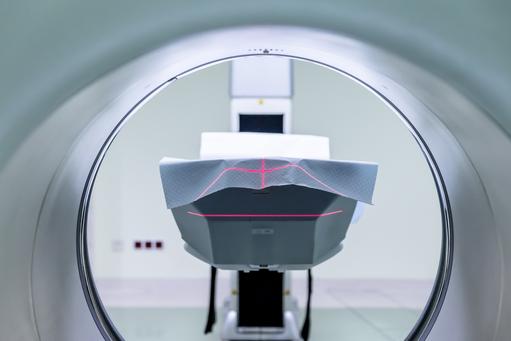
Clinical HIFU procedures are typically performed in conjunction with an imaging procedure to enable treatment planning and targeting before applying the therapeutic levels of ultrasound energy. MRI guided Focused Ultrasound Surgery (MRgFUS) combines a HIFU beam that non-invasively heats and destroys targeted tissue with MRI scanning that visualizes a patient's anatomy and controls the treatment by continuously monitoring the tissue effect. 
 
Some other encouraging new therapies for prostate cancer
Recently, a new drug, enzalutamide (Xtandi), developed by the prestigious American prostate research centre in UCLA, has recently been licensed for use in the UK for patients with an advanced form of the disease and who have run out of treatment options.  
 
Also, there are some new FDA approved vaccines. One is sipuleucel-T (Provenge), which is designed to boost the body's immune response to the prostate cancer cells. Another is PROSTVAC-VF, which uses a genetically modified virus containing PSA to trigger a response in a patient's immune system to recognise and destroy cancer cells containing PSA.
 
Nutrition and Lifestyle
According to the World Health Organization, wealthy countries with the high meat and dairy consumption have the highest prostate cancer rates. This has encouraged scientists to examine foods and substances in them that may reduce the risk of prostate cancer.
 
Researchers suggest that lifestyle changes might affect the rate at which prostate cancer develops. One study reports that the level of PSA may be lowered by a vegan diet, regular exercise and yoga. Another suggests that a daily intake of flaxseed slows the rate at which prostate cancer cells multiply. Also, scientists suggest that lycopenes and isolflavones, found in tomatoes and soybeans respectively might help prevent prostate cancer.
 
Difficult choices for men
Given that patients decide about their treatment options and given that there are several treatment modalities for prostate cancer each with specific costs and risks; men diagnosed with prostate cancer face some difficult choices.
 
One challenge arises because genes linked to prostate cancer do not show which cancers are likely to remain within the prostate, which is normal for older men and which are more likely to grow and spread.
 
For example, researchers have found that the gene EZH2 is more frequent in advanced stages of prostate cancer, but this does not indicate how aggressive the cancer is. So, knowing of the genes presence does not help a patient make the important decision between immediate treatments or continued monitoring.
view in full page
In 2010, tennis legend Billie Jean King had both her knee joints replaced and it changed her life. Years playing the high-impact sport left the 39-time Grand Slam winner with joint pain and stiffness in her knees. Now at 68, she is playing tennis again. Like Billy Jean, thousands of people are opting to replace their traumatised joints and patients are fast becoming younger.
 
An escalating incurable and costly condition
As populations age peoples' joints are increasingly affected by osteoarthritis, a painful and incurable condition. Dr Anestis Iossifidis consultant orthopaedic surgeon, Croydon University Hospital, UK, says, "Osteoarthritis is the most common disease of the joints and one of the most widespread of all chronic diseases and the most common cause of severe long term pain and physical disability".
 
At any one time, 30% of American adults are affected by joint pain, swelling, or limitation of movement. The prevalence of osteoarthritis increases markedly with age and by 65 can be observed in over half of the American population.
 
Worldwide an estimated 630 million people have their lives blighted by osteoarthritis. In the UK the disease affects about 8.5 million people; a figure set to double to 17 million by 2030. The condition forces 33% of sufferers to retire early and each year this is estimated to cost the UK economy £3.2 billion. 
Causes and future treatments
The management of the disease is broadly divided into non-pharmacological, pharmacological and surgical treatments. There are a number of drugs under development and there are several drugs on the market whose clinical effectiveness and long-term safety still need to be determined.
 
Scientists believe they are close to discovering the cause of osteoarthritis, offering the hope of more effective treatment. A team from the University of Southern Denmark found that shortened ends of chromosomes are linked to the onset of osteoarthritis.
 
Abnormally short chromosome caps, called telomeres, were found in cells from damaged knee joints and those near the areas of severe damage were "ultra short".  Researchers suggest that these lengths of DNA play an important role in the development of the osteoarthritis and it is hoped that this finding will lead to a more effective treatment for the disease. 
 
In 2012 The Lancet reported, "An important first step", which could also lead to new treatments for the disease. Researchers from Newcastle University, UK, discovered eight sections of our DNA that are responsible for osteoarthritis. They suggest that, at least two or three of these genetic regions could be used to treat the condition since they all contain genes responsible for the production of cartilage: the tissue between bones that is damaged by osteoarthritis.
 
A 2013 article in Cell Death and Disease found that urocortin, a naturally occurring protein is crucial for the survival of chrondrocyte cells that produce and maintain healthy cartilage. According to Professor Paul Townsend from the University of Manchester and co-lead researcher of the study, "boosting the level of urocortin could be a huge breakthrough since it would help to provide long-term benefit for osteoarthritis and also act as a preventative agent".  
 
Researchers acknowledge it will be some time before an effective treatment is developed and in the meantime, the incidence of joint replacement surgeries are expected to increase, particularly among younger patients.
 
Knee replacement surgery evolving
While all joints are affected by osteoarthritis, knee replacement surgery is fast becoming a treatment of choice when there is severe joint pain or dysfunction, which is not alleviated by less-invasive therapies.
 
The treatment modality is rapidly evolving and benefits from ongoing advances in surgical techniques, medical technology and prosthesis design. Combined with the use of minimally invasive surgery, gender-specific prosthetics and computer-assisted navigation systems; orthopaedic surgeons are now able to offer patients total and partial knee replacement procedures that are associated with minimal risks, smaller incisions, faster and less painful rehabilitation, reduced hospital stays and durable, well-aligned, highly functional knees.
 
Today, 95% of all knee replacement procedures can be confidently predicted to be successful and, even 10 to 15 years after the operation, will still be giving good service. However, given that more people are electing to have joint replacement surgeries at increasingly younger ages; 10 to 15 years might not be long enough.
Baby boomers electing to replace their warn-out knees
According to a 2012 US study published in the Journal of the American Medical Association, between 1991 and 2010, the incidence of knee replacement surgery increased by 161.5% for Medicare recipients alone. Today, in the US, knee replacement surgery is one of the most common surgeries being performed and costs between US$11,000 and US$50,000 per knee.
 
During the nine year study period, 3.2 million Medicare beneficiaries underwent knee replacement surgery, which at the lowest end of the cost spectrum, amounts to about US$3.2 billion for new knees for Medicare patients.
 
Many active middle-agers are wearing out their joints with running and sport and suffering osteoarthritis years earlier than previous generations. In the US, baby boomers are turning 65 at the rate of 8,000 a day and a significant number of these are opting for joint replacement surgery earlier in life rather than long term medical therapies.
 
According to the American Academy of Orthopaedic Surgery the fastest-growing patient group opting for joint replacement surgery is between 46 and 64. By 2016, over 50% of all US knee-replacement surgeries are expected to be performed on people under 65.
 
Projections suggest, in 10 years time, over three million knee replacements will be undertaken each year in the US alone and the demand for new knees could outpace there availability.
 
The future is replacement revisions
Arthritis Research UK is investigating the success rates of knee replacement surgery in younger age groups.  According to its medical director, Professor Alan Silman, in 2010 there were some 90,000 knee replacement operations performed in the UK and increasingly these are being carried out on people under 50.
 
Today, younger patients are more informed about surgical procedures and are more likely than past generations to demand specific treatments. "Patients with osteoarthritic knees", says Professor Silman, "demand earlier surgical intervention."
 
According to the UK's Office of National Statistics, a third of babies born in 2012 will live to 100. Longevity is one of the successes of 20th century medical science and today, millions are retiring with a third of their lives still ahead of them.
 
No one knows the longevity of knee replacements in younger patients. According to Professor Silman, "We may well be faced with doing a lot more replacement revisions when these patients reach their 70s".
view in full page
 
Two years ago, Ben Brabyn, a forty year old former British Royal Marine and investment banker turned entrepreneur, visited his doctor with headaches that another doctor had diagnosed as sinusitis. The second doctor suspected a brain tumour and immediately called for an ambulance to take Ben to Charing Cross Hospital, London. Scans showed a fist-sized tumor on the right side of his forehead, see above. Undetected, Ben's tumor could have killed him within days
 
Any brain tumor is serious and life-threatening because of its invasive nature in the limited space of the intracranial cavity. The threat a brain tumor poses depends on its type, invasiveness, location, size and the state of its development. A tumor may be particularly deadly because it can push against or invade important parts of the brain, as well as cause a lot of swelling that can result in blackouts, fits and other serious health challenges.
 
Within hours of being admitted to hospital, surgeons removed a large panel of bone over Ben's right eye and excised his tumor, which turned out to be a benign meningioma. Most meningiomas are benign and tend to be more common in middle-aged or elderly women than in men.  Ben is now fully recovered. 
 
Brain tumor deaths are increasing
Each year, around 165 million people in Europe are affected by some form of brain-related disorder, which suggests that almost every family in Europe is likely to be affected. Not everyone however will be as lucky as Ben Brabyn.
 
In the US, over 688,000 people are living with primary brain tumors, some 138,000 are malignant and about 550,000 are non-malignant. Since 2004 the incidence of brain tumors in the US has increased by 10%.  In 2013 in the US, an estimated 70,000 new cases of primary brain tumors are expected to be diagnosed. In 2012 an estimated 13,700 deaths were attributed to primary brain tumours.  

Brain tumors are the second-leading cause of cancer deaths in American children. In 2013, approximately 4,300 Americans younger than 20 will be diagnosed with primary brain tumors.
 
In the UK the situation is equally bleak. Over 9,000 people are diagnosed with brain and spinal cord cancer annually and it kills nearly 5,000. Over the past decade there has been a 16% increase in brain tumor deaths. The largest group of primary brain tumors is gliomas; a broad term that includes all tumours arising from the gluey supportive tissue of the brain. These make up 30% of all brain and spinal cord tumors and 80% of malignant brain tumours. 
 
Malignant brain tumors
Over the past 30 years, the outcomes for patients with malignant brain tumors have been poor and have not changed substantially. Compared with the survival rates of other cancers, brain cancer has one of the lowest: only about 19% of those diagnosed with brain cancer in the UK between 2006 an 2010 were alive in 2011.
 
Average survival rates remain between 12 and 15 months and those surviving more than three years are rare. Not only are brain tumors devastating for patients and their families and friends, but the cost of their treatment is high and rising rapidly. In Europe alone the cost of treating brain tumors is estimated at €1.5 million every minute.
 
R&D increasingly dependent on charities
Although brain cancer is the second leading cause of cancer-related deaths in children and young adults, brain cancer research is relatively poorly funded. Over the past few years, several pharmaceutical companies have closed their neurosciences R&D because financial returns do not justify the investment. This means that fewer therapies are being developed and as a consequence the costs of brain related drugs are rising.
 
The burden for brain tumor R&D is increasingly falling on charities and the overwhelming majority of these tend to serve the big cancers. In the UK for example, 60% of cancer research funds go to five of the 48 main types of cancers. Research into brain tumors receives one of the lowest levels of funding: about 1.4% of total UK research-spend. Also, partly due to the complexities of the brain, brain cancer research does not benefit significantly from cancer research in general.
 
But there is hope. According to Stuart Essig, a leading figure in the American Children's Brain Tumor Foundation and Chairman of Integra LifeSciences Corporation, the world's largest neurosurgical company, "Many children's tumor specialists are excited about treatments currently being researched and developed. They expect to see advances in several areas: less traumatic surgeries, new chemotherapeutic drugs and combinations of drugs that effectively could replace surgery and radiation therapy, chemotherapy with fewer side effects, treatments that marshal the body's own immune system to kill cells and gene therapy."  
 
A leading clinician's view
"Although a brain tumor is a devastating diagnosis for both patient and doctor, there is some good news", saysChristos Tolias, a leading UK neurosurgeon from King's College Hospital, London and the London Neurosurgery Partnership.  "Benign tumors can often be removed using a combination of surgical and non surgical methods, which are constantly evolving".
 
"Neurosurgical techniques, such as endoscopically assisted transphenoidal approaches (through the nose) and image guidance (computer assisted navigation), permit the successful removal of large tumors with minimal trauma for patients. Also, Gamma or Cyber Knife therapies can result in excellent outcomes without surgery".
 
"When we're dealing with a glioma; more invasive therapy is necessary and the results are still not very effective. However, special techniques such as gladiolan guided surgery (special dye, which allows the tumor cells to be visible in the operating room) as well as more aggressive resections combined with multidisciplinary support, are steadily achieving meaningful results for patients".
 
Christos Tolias and his colleagues are, "excited about some novel treatments at the experimental stage in King's College. One, in clinical trials, is designed to boost the immune response and there is basic research being carried out that may allow us to deploy gene and cellular level treatments". But, Tolias stresses, "The need for continued research support is imperative".  
 
Recognising the Symptoms
However, as Ben Brabyn discovered, early detection is extremely important. But because the brain is so well protected by the skull, diagnoses is challenging and detection only occurs when diagnostic tools are directed at the intracranial cavity. Thus, late detection is frequent and often when the presence of the tumor has caused unexplained symptoms.
 
Warning signs depend on the size and location of the tumor and can be general and misleading, but common symptoms include: (i) short-term memory loss and difficulty concentrating and using words, (ii) severe headaches that mainly occur in the morning, (iii) nausea or vomiting, (iv) seizures in people who do not normally suffer them, (v) problems with speaking, reading, writing and recognising names of objects and (vi) vision problems.
 
Costly but effective screening
The safest and quickest way to detect a brain tumor is with an MRI scan. However, most patients do not receive their first MRI until they are already experiencing symptoms, which is often too late. Although expensive, MRI screening, as part of a regular annual medical check-up, is the most effective way of detecting a brain tumor. 
view in full page
Medical tourism started in ancient Greece when pilgrims travelled to Epidauria, a healing sanctuary of the God Asclepius in the Saronic Gulf.  Asclepius's rod, a snake-entwined staff, remains a symbol of medicine today. 
 
A multi-billion dollar global industry
Over the past 20 years, medical tourism has grown rapidly to become a global market of some US$60 billion with an annual growth rate of about 20%. Today, over 50 countries identify medical tourism as a national industry.
 
It is different to international medical travel, where wealthy patients travel to exclusive private clinics in search of the latest technology and the highest quality service. Medical tourism is when patients  from wealthy countries travel to hospitals in emerging countries, such India and Thailand, for medical treatment at a lower cost.
 
Medanta is such a hospital in Gurgaon, a garden suburb of New Delhi, India, just 10 minutes from the Indira Gandhi International Airport. It has 1,250 beds, 350 critical care beds and 45 operating rooms, which work 24-7, 365 days a year. The hospital is spread over 45 acres and its high standards of care and competitive prices draw medical tourists from all over the world.  
 
Joint Commission International, the private accreditation agency, now lists more than 500 hospitals worldwide that have earned its approval. Patients visiting these hospitals can expect to pay one-third to one-tenth the cost of the same treatment in a US hospital, enabling them to afford lifesaving and life-enhancing procedures, performed by excellent doctors, in well-equipped hospitals, without long waiting periods.
 
Value seeking patients
Medical tourism has become the most visible part of a generalised growth in the international trade in health services. Services typically sought include elective procedures as well as complex specialised surgeries. Virtually every type of health care, including psychiatry, alternative treatments, convalescent care and even burial services are available to medical tourists.
 
Often, it makes more sense for a patient to receive healthcare abroad especially when certain specialisms or state-of-the-art treatments are not available at home, or subject to a long waiting list. Legal and ethical obstacles, such as stem cell or donor-related treatments are drivers behind the increase in health tourism. However, cost plays an important role and many health tourists merely seek equivalent treatment in countries that are able to provide it more cheaply.
 
A typical liver transplant in the US can exceed $250,000; the same surgery in India at an accredited hospital is $40,000. Knee replacement in the US can cost $50,000, or you can travel to India and pay $7,000. Many US health insurers are happy to pay for out-of-country care and thereby decrease their costs. Some US employers providing healthcare coverage are encouraging medical tourism by offering to share their savings with employees.
 
Where to go
India's advantage is that it is the cheapest of any of the world's medical tourist destinations, while being the equal to other major destinations in terms of quality of staff, equipment and health procedures. With many new state-of-the-art hospitals and western trained doctors, it is easy to see why India is the leader in medical tourism accounting for about 25% of the Asian market. In 2009, however, India introduced a cosmetic surgery tax, which disadvantaged it compared to its Asian neighbours.
 
Southeast Asia is now a prime market for medical tourism. Industry experts expect the number of medical tourist visiting Asia to grow by 20% annually, creating a regional market of some US$10 billion by 2014. India, Malaysia, Singapore and Thailand account for about 90% of the total medical tourism in Asia.
 
Thailand is the most popular destination, treating the highest number of patients compared with other Asian countries and accounts for 40% of medical tourists in Southeast Asia. Thailand's prices are slightly higher than India's, with its main advantage being a better overall tourist experience and offering greater bundling of services. However, Thailand's medical tourist arrivals and market are beginning to slow.
 
Malaysia on the rise
For the past three years, Singapore's medical tourism has been growing at 12% annually and is projected to continue to grow at this rate for the next few years. Malaysia is the fastest growing medical tourism market in the region with 33% growth in the last three years. Around 40 of Malaysia's 113 private hospitals now serve medical tourist.
 
More than 80% of Malaysia's medical tourists visit from Indonesia, where the healthcare lag has yet to catch up with the rising middle class. Patients visit from China: 30% of Malaysia's citizenry is of Chinese descent. Patients also visit from the Middle East. As a moderate Muslim country, Malaysia offers cultural compatibility to the Islamic patient. Australians fleeing rising healthcare costs seek comfort in Malaysia's universal command of the English language.
 
Malaysia now competes with India for the value-seeking patient, as well as the affluent patient seeking access to specialties in the region. Global healthcare consumers from Europe and North America are also beginning to locate Malaysia on the medical travel map. 
 
Everyone's a medical tourist
Medical tourism has become a collaboration between local, state and national governments, marketers, medical institutions, trade associations, insurance companies, travel agencies and hoteliers. South Korea for instance has dedicated one of its islands to medical tourism, which is just a two hour flight from five mega Asian cities. Most countries offer a comprehensive medical service, but as the industry matures expect to see market segmentation.
 
Significant economic advantages for host countries
Medical tourism offers significant economic advantages for host countries. Besides increasing economic activity and tax revenues, medical tourism draws tourists to destinations, which they may otherwise not have visited and potentially strengthens a destination's brand. It helps to reverse brain drains and improve local education by attracting skilled and experienced professionals and keeping local trained doctors and graduates from leaving to seek employment elsewhere.
 
The industry also helps to reduce the seasonal nature of some tourist markets. Elective surgery has more flexible scheduling and therefore can be used to soak up excess capacity for tourism providers during the off-peak season.
 
Some significant challenges
By far the biggest challenge for the industry is associated with transplant surgery and the unethical harvesting or organs, which is more apparent in some countries. Also, implanted organs are sometimes invaded with viruses, which recipients discover only after returning home and then require corrective therapy.
 
The Future
Medical tourism will increase as healthcare costs continue to rise and consumerism spreads.  However, medium term capacity constraints are expected to slow the industry's growth. In the longer term, health insurers and patients are expected to leverage cost and performance data in order to take advantage of regional differences in pricing, quality, customer satisfaction and waiting time.
 
Western centres of medical excellence, which have developed partnerships with medical establishments in emerging countries, are well positioned to play an important role in the future of the industry.
view in full page

What does King Fadh of Saudi Arabia have in common with the rock star Meat Loaf?

Both frequently urinated, had insatiable thirsts, were often tired and always wanted to eat. In addition they both probably were irritated by itchy feet and blurred vision. Symptoms shared by the Lord Kennedy of Southwark who, in a 2011 House of Lord’s debate, admitted that, “For many years I felt stressed, agitated, tired and run down.” King Fahd, Meat Loaf and the Lord Kennedy all suffered from diabetes, the silent epidemic.

Diabetes mellitus is a group of metabolic diseases characterized by hyperglycaemia resulting from defects in insulin secretion, insulin action or both. The disease has been recognized for more than 3,500 years, since its early description in 1552 BC in Papyrus of Ebers from Egypt. Type 1 diabetes is an absolute deficiency of insulin secretion, which results from the body’s immune system attacking insulin producing islet cells. Type 2 diabetes results from a combination of resistance to insulin action and inadequate insulin release. About 95% of the incidence of diabetes is Type 2, which is strongly associated with obesity and lack of physical activity. Another type of diabetes is called gestational diabetes, which occurs in pregnancy and shares similar features to Type 2 Diabetes.

The non-dramatic, insidious and chronic nature of the major form of diabetes masks the fact that it has become a global epidemic with the potential to overwhelm national health systems if nothing is done to halt its progress. More worrying, is the fact that Type 2 Diabetes is strongly associated with other chronic diseases such as high blood pressure, stroke, heart disease and high cholesterol. It is “a strange world” said the Lord McColl of Dulwich in the 2011 parliamentary debate: “Half the world is dying of starvation; the other half is gorging itself to death.In the United Kingdom there are over two million people suffering from diabetes as a result of obesity . . . . . diabetes has reached epidemic proportions and now affects teenagers and young children. Parents seem to be unaware and unconcerned that their children are obese.”

Lord McColl’s sentiment is echoed in a 2012 World Health Organization Report: between 1980 and 2008 obesity doubled and today 0.5 billion people, 12% of the world’s population, are obese, which is a leading cause of Type2 diabetes. Currently, over 347 million people worldwide have diabetes; an estimated 3.4 million people died from diabetes in 2004 and by 2030 diabetes is expected to increase by 150% in developing countries. Research, predicated on 30 years of data from 200 countries and regions and published in The Lancet in July 2011, confirms that the prevalence of diabetes has reached epidemic proportions worldwide despite the fact that the disease and its complications can be prevented by a healthy diet and regular physical activity. Both studies predict a huge and escalating burden of medical costs and physical disability as the diabetes increases a person’s risk of heart attack, kidney failure, blindness and some infections.

Earlier this year, a paper delivered to the American Diabetes Association at the world’s largest diabetes conference in Philadelphia, estimated the cost of diabetes, in the US alone, to be over US$174 billion and by including gestational and undiagnosed diabetes, the cost could exceed US$218 billion. Such staggering costs and the millions of sufferers represent significant drivers of research for a cure. However, the success in diabetes research has been in the treatment and a cure has been elusive. The current gold standard therapy is strict glycemic control in order to minimize complications. The therapeutic goal is normoglycemia, achieved with supplementary insulin or other pharmacological agents that either stimulate insulin release or reduce insulin resistance.

What does the future hold for a person with diabetes? Current therapies, including insulin, are not cures, but are merely palliating the consequences of defective glucose regulation. In 2011, the Lord Crisp, who has played a leading role in raising awareness about the plight of diabetes, tabled an important House of Lord’s debate, mentioned above, on chronic non-communicable diseases and argued that, “We need this debate to talk about what needs to be done to tackle the worldwide epidemic of these preventable diseases, as traditional methods of combating them are obviously no longer working.”

A potential cure for diabetes is to replace the function of defective pancreatic islets. This may be achieved directly, through islet cell or pancreas transplantation or indirectly, through a bio-artificial pancreas. Islet cell transplantation involves injecting islet cells from a donor into the liver of a patient. Usually, pancreas transplantation is achieved in the setting of a combined pancreas and kidney transplant in patients with advanced diabetes and kidney failure. In appropriate patients, both are successful options to restore normalise glucose levels in diabetic patients. However, impediments to the success of transplantation include surgical risks, costs, risks from life-long immune suppressants and eventual graft failure. Moreover, transplantation is severely limited by the relatively small number of donors compared with the demand. Over the past decade, the number of organ donors generally has increased in some developing countries. However, there are unresolved ethical and clinical issues associated with this rise in organ donors.

A promising area of diabetes research is cell engineering. This involves the generation of glucose-responsive insulin-producing cells from a diabetic patient’s own cells, which can then be implanted into the same patient without the need of donors or life-long immune suppression. However, there are significant challenges associated with this approach. From a different perspective, biotechnologists have been attempting to develop an artificial pancreas that can detect changes in glucose and deliver insulin in response to this. Although insulin pump technology has been around for many years and recently glucose sensor technology has developed significantly, there remain substantial challenges to developing a sophisticated bio-artificial pancreas that can replicate biology with the changing demands of the human body.

A successful surgical therapy for Type 2 diabetes is gastric bypass surgery. This involves changing the plumbing of the gut so that ingested food is delivered to more distal parts of the gut more rapidly after a meal. Certain forms of this surgery can have dramatic effects on improving and even completely resolving diabetes in obese diabetic patients. Although this may appear an ideal solution, surgical costs and risks cannot be ignored. Furthermore, long-term outcomes from these irreversible procedures are still unclear. Interestingly, the improvement in diabetes occurs before weight loss. This has prompted extensive research into the biological mechanisms causing improvement of diabetes following gastric bypass surgery. Gut hormones are thought to be key players in this regard. It is hoped that judicious use of a combination of gut hormones may recreate a surgical bypass using drugs without the risks, costs and irreversibility of surgery.

Although advances in diabetes research are significant, the horizon for a cure is still distant. Moreover escalating costs of delivering medical cures to increasing numbers of patients and risks associated with some of the potential options are significant hurdles. At this moment in time, the best option for a cure for diabetes seems to be prevention.

Over the last century, our genes and biology have not changed much, but our lifestyles certainly have. Changes in the way we live our lives appear to have occurred in tandem with a diabetes and obesity explosion. It is difficult to ignore the fact that this chronic non-communicable epidemic has societal and environmental origins that need to be addressed more effectively while we wait for a biomedical cure. Former FDA Commissioner David Kessler suggests that diabetes may not be an entirely self-inflicted phenomenon. In his book, The End of Overeating, Kessler warns that restaurants and food processors purposely engineer food that encourages people to overeat and ruin their lives. But, if you do not warm to conspiracy theories, think of the Chinese proverb: "He that takes medicine and neglects diet, wastes the skills of the physician.

view in full page
 
A&E is the barometer of the NHS.  In 2012 some 22 million people attended A&E in the UK. A 50% increase in the last 10 years, while the UK population only increased 7% over the same period.

The Royal College of Surgeons has warned that the knock-on effect of this is last minute cancellations of planned surgeries. Official figures show that for the first three months of 2013 some 20,000 planned operations were cancelled.
 
Transferring resources out of hospitals
Minded of the seriousness of the A&E challenge, the Academy of Medical Royal Colleges, the NHS Confederation and the patient group National Voices combined to report that the NHS urgently needs to transfer resources out of hospitals and into the community by expanding GP surgeries, health centres, district nurses and social care.
Such a significant transfer might be helped by enhancing the ways that health providers engage people about their health, which is about improving communications while reducing face-time with health professionals. This is important if Matthew Parris is right. Writing in The Times, recently he warned that patients' allegiance to traditional health providers is weakening. Online communications technology has the potential of strengthening this.
 
Both health professionals and patients have embraced health technology as transformational. Doctors are in love with iPads, consumers are loading wellbeing apps onto their phones and patients with chronic diseases are using smartphone attachments to measure and monitor their vital signs.
 
Exploiting technological trends to improve healthcare
However, technology alone is not the answer. Technologists have an undying faith in technology, which they view as the primary driver of change.  This is mistaken because people select, install, develop and manage technology. It is therefore people and the choices they make, not technology, which is the primary driver of change.  

Already health professionals are making choices to help transfer healthcare out of hospitals and into communities. They are successfully harnessing the propensity for people to play games to improve patients' cognitive skills, especially after stroke or the onset of dementia. Health workers are exploiting telehealth to provide patients with remote access to healthcare professionals as well as using social networks to improve the connectivity of health workers and enable patients to play a more active role in their own healthcare.
 
What patients want
Communications between health providers and patients benefit by an understanding of patients' healthcare needs and preferences. In today's world of interconnectivity, we know what patients want. 
Sixty six per cent of patients want answers about specific disease states, 56% want information about treatments, 36% want to find the best place to be treated and 33% want information about payment.
Further, 80% of all patients search online for health information and, if they cannot get face-time with their health professionals, they prefer online video answers to their questions directly from doctors. Video has become the preferred medium for content consumption by patients.

However, we also know that 90% of all doctors provide patients with information in pamphlet form. While this difference describes a communication challenge, it also suggests the answer: more doctors should use online solutions to communicate with patients.
 
A new online solution for health providers
Currently, there is no easy solution for patients to quickly and easily obtain reliable online answers to their questions in video format.  Also, there is no easy solution for doctors to post answers to patients' questions in an online video format.

Dr Sufyan Hussain, a specialist registrar and honorary clinical lecturer in endocrinology at Imperial College London, has participated in a beta test of HealthPad, a new free and easy-to-use web-based communication solution for non technical health professionals to create rich media publications for their patients and colleagues: www.healthpad.net.

Doctors post short and easily understood video answers to frequently asked questions about the prevention, symptoms, diagnosis, treatments, side effects and aftercare associated with different disease states and also about wellbeing. The videos are aggregated and stored in a cloud, linked to biographies of contributing doctors on HealthPad and can be easily accessed by patients on smartphones and tablets at anytime from anywhere. 
To-date, Dr Hussain has accrued a substantial personal video content library, which addresses frequently asked questions from his patients who, "don't always have to attend a hospital for reliable information to help them manage their conditions".  According to Dr. Hussain, using HealthPad, "can reduce valuable doctor face-time with patients while improving doctor-patient relationships and patient compliance by helping them understand their condition and treatment better".
 
Video healthcare libraries
Video healthcare libraries, similar to the one Dr Hussain has created, play a significant role in the US to communicate premium, reliable and up-to-date health information to patients and their carers. An important difference with pamphlets and WebMD is that people feel an allegiance to personalised video content in a way that they do not for pamphlets and the written word.
 
Psycho-social benefits of video healthcare libraries
US evidence suggests that patients feel a greater allegiance to health professionals who provide them with sought after information in a format they like and understand and deliver it personally to their smartphones.

Dr Whitfield Growdon, a cancer specialist who teaches at the Harvard University Medical School and has a gynaecologic medical and surgical practice at the Massachusetts General Hospital also participated in HealthPad's beta test and, like Dr Hussain, accrued a significant video comntent library, which he now uses with his patients. "Videos", says Dr Growdon, "personalise medicine and have positive psycho-social effects. Patients feel that they know me before we have even met and are less inclined to be swayed by discordant and often incorrect medical information they encounter on the internet that can create misperceptions and fear".

Video healthcare libraries connect doctors directly with patients and inform about medical conditions and treatment options. They are cheap to create, cost little to operate and develop, they can be quickly and easily updated and accessed 24-7, 365 days a year from anywhere at any time.
 
Significant opportunity for UK health providers
Seventy per cent of patients who search online for health information become confused and frustrated.  

HealthPad, the new platform which Drs Hussain and Growdon contributed, aggregates premium reliable health information in a format demanded by patients and represents a significant opportunity for health providers to transfer medical knowledge out of hospitals and into the communities.
view in full page
 
Can a dancing elephant help the NHS?
 
In May 2013 Sir David Nicholson, the head of NHS England, announced his resignation. Nicholson was an insider's insider and his in-depth knowledge of the organisation served well his political masters, but he was unable to bring about much needed transformative change.   
 
Escalating costs, changing technology, the growth and spread of diseases and an ageing population all conspire to present the NHS with its biggest challenge since it was created in 1948.
 
Will the new leader be another insider appointed to continue the political chess game with our national health? Or, will the new CEO seize the opportunity presented by lessons from outside the NHS and lead the transformative change that the NHS sorely needs?
 
Lessons from outside the NHS
Twenty years ago IBM, once the most profitable company ever, faced a similar challenge to that confronting the NHS today. In 1993, IBM was on the brink of bankruptcy and considered by various commentators as, "a dinosaur and a wreck". IBM appointed Lou Gerstner, a business leader, to transform the Company. Nine years later, IBM had become one of the world's most admired companies. Gerstner described how he achieved the transformation in a book, Who Says Elephants Can't Dance?
  
What are the similarities between IBM and the NHS?
What lessons can the NHS learn from IBM?
 
Inward looking organisation resistant to change
By the early 1990s, IBM had become an inward looking mainframe manufacturer driven by internal systems rather than customer needs. The PC revolution gave IBM the equivalent of a severe heart attack and put computers in the hands of millions and shifted power and purchasing decisions to individuals.  
 
By 1993, IBM's annual net losses reached a record US$8 billion and it was on the verge of bankruptcy. Before the arrival of Gerstner the Company's reaction to its crisis was to deploy resources more effectively, improve outcomes, control costs, split its divisions into separate independent businesses and attempt to sell some of them.
 
Parallels with the NHS
The NHS is an inward looking public monoploly, funded by the UK taxpayers to the tune of £110 billion a year, high bound with its own standards and procedures.
 
Like the old IBM, the NHS is less sensitive to its rapidly changing external environment, which includes rising patient expectations, expensive new drugs, the impact of an ageing population and the escalation of chronic non communicable diseases.
 
The response of the NHS to its current challenges is similar to IBM's initial response before the arrival of Lou Gerstner. It is focused on cost savings, streamlining its services and privatising specific functions. Such a strategy did not turnaround IBM and will not turnaround the NHS. This is understood by both the National Audit Office and the Parliamentary Select Committee on Health, which have called for the NHS to engage in "transformative change".
 
Stepping through a time warp
Transformative change for IBM began in 1993 with the appointment of Lou Gerstner as CEO at a time when IBM, similar to the NHS today, was bloated with excess costs and bureaucracy and its people demoralised.
  
Interestingly, Gerstner was neither an insider nor an industry expert, but was recruited from Nabisco, an American biscuit manufacturer and had had previous experience at American Express and the consultancy firm McKinsey & Co. Gerstner likened his arrival at IBM to stepping through a time warp. The world had moved on while IBM stood still. This resulted in a significant mismatch between market needs and IBM's offerings. 
 
When Gerstner took the reins at IBM, the conventional wisdom, both from industry pundits and IBM insiders, was that the only solution for saving IBM from eventual disaster was to cut costs, increase efficiency, divisionalise and sell-off parts. 
 
Complete integrated solutions
Gerstner was determined to keep IBM together and convinced that the only way to do so was to change its culture: away from an inward looking bureaucracy to a responsive service company in-tune with customers' needs. Gerstner recognized that IBM's enduring strength was its core competency to provide integrated solutions for customers with complex problems. This, Gerstner judged to be the unique IBM advantage.
 
Gerstner's approach was to drive the Company from the customer view and, "turn IBM into a market-driven rather than internally focussed process-driven enterprise". And it worked. According to Gerstner, keeping IBM together and changing its culture, "was the first strategic decision and, I believe, the most important decision I ever made, not just at IBM, but in my entire business career".
 
Will the new leader of the NHS have Gerstner's strategic clarity, rottweiler focus and determination to execute?
 
Importance of culture
During his customer focused transformation, Gerstner learnt not to be fooled by bogus measurements and data associated with customer satisfaction and targets. "People"Gerstner said, "do what you inspect, not what you expect".
 
Gerstner's most important and proudest accomplishment was cultural change that brought IBM closer to its customers by inspiring employees to drive toward customer defined success.
 
"Until I came to IBM, I probably would have told you that culture was just one among several important elements in any organization's makeup and success; along with vision, strategy, marketing, financials, and the like I came to see, in my time at IBM, that culture isn't just one aspect of the game, it is the game. In the end, an organization is nothing more than the collective capacity of its people to create value".
 
Lessons for the NHS
In, Who Says Elephants Can't Dance? Gerstner describes three important insights, which helped transform IBM and could help the NHS:  
 
1. A service intergrator controls every major aspect of an industry
2. Every major industry in today's network-centric world is built around open standards
3. It is important to abandon proprietary development, "embrace software standards" and "actively license technology".  
 
In 1993, many people criticized IBM for their selection of Gerstner because he was neither an insider nor a technologist. You can hear something similar were the NHS to appoint a CEO from outside the healthcare industry.  Based on IBM's transformation and the insights described in Who Says Elephants Can't Dance? Gerstner was the right person for the job.
view in full page