Dashboard

E-Commentary


Sponsored
joined 1 year, 10 months ago
Directory:
Expertise:

"Legacy Dental Clinics brings together advanced dental expertise and compassionate care, led by Dr. Husam Alhurani and Dr. Reem Nafoukh, Doctors of Dental Surgery from the University of Jordan. We offer a full range of dental services—from preventive care and cosmetic dentistry to advanced restorative treatments—delivered with precision, modern technology, and a personal touch. At Legacy Dental Clinics, our mission is to preserve and enhance your smile while ensuring every visit is comfortable, stress-free, and tailored to your needs.


Phone Number:

+962793889333

Business Hours:
Available 24 Hours


view this profile
joined 1 year, 10 months ago

Willow Springs Dental

Willow Springs Dental

Dentist Near Me - Willow Springs Dental covers your every dental need from annual teeth cleanings and exams and digital x-rays to cosmetic and restorative dentistry. Dr. McRae and his staff change lives every day through cosmetic dentistry such as porcelain veneers, CEREC crowns, bleaching, bonding, and white fillings. We can even have your beautiful new teeth ready in one day! Innovative restorative dentistry, such as dental implants, permanently replaces teeth bringing new life to your mouth! Call us now at 702-368-0305.

Services:

Las Vegas Dental Laser Treatment

Las Vegas Cosmetic Dentistry

Las Vegas Root Canal


view this profile
joined 1 year, 10 months ago

Dr. Walter Kostrzewski

Stony Hill Dental Care
Directory:
Expertise:

For over 50 years, Stony Hill Dental Care has been the trusted name in dental services in Bethel. Our commitment to excellence is evident in our use of advanced technology and our comprehensive approach to oral healthcare.


view this profile
joined 1 year, 10 months ago

Valery Sweeny DDS

Valery Sweeny, DDS
Directory:
Expertise:

Dr. Sweeny and her team are committed to delivering excellence in dental care.Trust us to provide compassionate, high-quality dental services for you and your family.


Website-https://valerysweenydds.com/

Phone- 323-669-0339

Company Mail-info@valerysweenydds.com


Company Hours-

"Sunday : Closed
Monday : 09:00 - 19:00
Tuesday : 09:00 - 19:00
Wednesday : 09:00 - 19:00
Thursday : 09:00 - 15:00
Friday : 09:00 - 15:00
Saturday : 08:00 - 14:00"


view this profile
  • Over the past two decades, neurosurgery has been transformed by technological advancements, interdisciplinary collaboration, and a deeper understanding of the brain
  • Breakthroughs like functional magnetic resonance imaging and minimally invasive surgery have enhanced diagnostics and treatments, steering the field away from its conventional practices 
  • By 2040, such changes will continue and accelerate as neurosurgery embraces augmented reality interfaces, robotics, and artificial intelligence, facilitating personalised interventions based on individual genetic profiles
  • The future of neurosurgery will not only showcase technological excellence but also a heightened commitment to ethical principles prioritising patient welfare and societal wellbeing
 
Neurosurgery 2040
 
Over the past two decades, neurosurgery has undergone a transformation, marked by increased precision, less invasive procedures, and swifter recovery, all driven by technological advances, interdisciplinary collaboration, and an enhanced comprehension of the brain. Progress ranges from neuroimaging technologies to refined surgical techniques. This Commentary briefly describes the milestones and ethical considerations of neurosurgery up to ~2040.
 
Since 2000, the convergence of technologies such as functional magnetic resonance imaging (fMRI) and minimally invasive surgery has improved diagnostic approaches and treatment methodologies. Departing from conventional norms, the advent of personalised medicine and the rise of neurostimulation hold the promise of advancing our comprehension and treatment of neurological disorders.
 
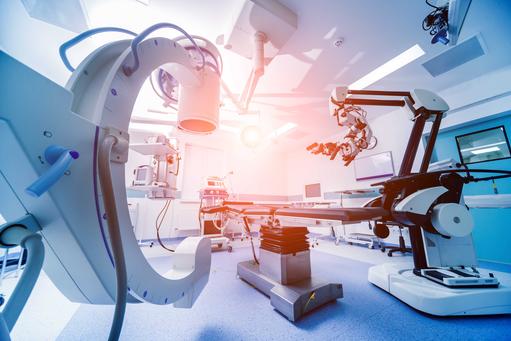
Looking forward to ~2040, we foresee these trends intensifying, with operating rooms (OR) equipped with state-of-the-art technologies like augmented reality interfaces, robotics, and artificial intelligence (AI), synergising with human expertise. Envisage progress in targeted medicine to also continue and further disrupt neurosurgical treatments by customising interventions according to individuals' distinctive genetic profiles and incorporating developments in gene therapies. As these technologies augment cognitive capabilities, addressing ethical concerns to increase in importance will become more relevant. Prioritising moral considerations will be essential to ensure responsible and compassionate utilisation of these tools.
 
Furthermore, the upcoming collaboration spanning various fields is positioned to speed up, playing a crucial role in driving neurosurgery to unprecedented levels. This cooperative endeavour is expected to break down traditional barriers and enhance our understanding of the complexities of the brain. Looking forward to 2040, an intensified sense of purpose among healthcare providers is predicted, highlighted by heightened global awareness and strategic initiatives aimed at reducing healthcare disparities by broadening access to neurosurgical expertise worldwide. Underscoring the increasing significance of robust ethical guidelines and ongoing dialogues, we highlight the importance of steering the path of neurosurgery beyond technical innovations. Contemplate a growing focus on ethical principles that prioritise patient welfare and societal wellbeing, indicating that the future of neurosurgery will be characterised by a blend of technological expertise and a more pronounced commitment to human values and purpose.
  
In this Commentary

This Commentary has two parts. Its overall aim is to nudge neurosurgeons and providers to reflect on their current modus operandi and strategically prepare for the future. Part 1, Neurosurgery since 2000, briefly describes technological developments and interdisciplinary collaboration, which have improved diagnostics, treatments, and our understanding of the complexities of the brain. Part 2, Neurosurgery 2040, anticipates integrated operating rooms where augmented reality, robotics, and AI merge with human expertise. This forward-looking approach stresses interdisciplinary collaboration and a purpose-driven mindset to enhance access to efficacious therapies.
 
Part 1
Neurosurgery since 2000
 
Over the past two decades, neurosurgery has evolved at a pace unparalleled in its history. From advancements that have improved diagnosis to the refinement of surgical techniques, the field, since the turn of the millennium, has been a testament to the determined pursuit of knowledge and the inventive spirit within the medical community. We briefly describe aspects of this transformative journey, shedding light on a few key milestones, ethical considerations, and the promising trajectory that lies ahead.
 
Technologies such as fMRI, diffusion tensor imaging (DTI), and positron emission tomography (PET) have become essential tools to improve diagnostics. Concurrently, minimally invasive surgical approaches, guided by real-time imaging, have not only reduced invasiveness but have also improved patient outcomes. The collaboration between advanced neuroimaging and refined surgical methods marks a shift in neurological care, by facilitating more precise and effective interventions. Indeed, a hallmark of neurosurgery's evolution since 2000 has been the increased use of precision medicine. Departing from the traditional one-size-fits-all approach, the field has shifted towards tailoring treatments based on individual genetic, molecular, and physiological characteristics. Genetic profiling, biomarker identification, and targeted therapies have emerged as effective tools to enhance diagnostic accuracy and pave the way for the expansion of personalised therapies. This departure from conventional approaches suggests a future where neurosurgical treatments are as unique as the individuals they seek to assist.
 
Empowered by technological progress, surgeons can now probe the brain with newfound precision and safety. Minimally invasive approaches, including endoscopic and stereotactic procedures, have minimised trauma, accelerated recovery times, and expanded the scope of what is surgically achievable. Neuron-navigation systems and robotic-assisted surgeries have further enhanced neurosurgical practice, redefined possibilities, and improved outcomes. The rise of minimally invasive procedures has not only reshaped neurosurgery but has also facilitated patient-friendly approaches over traditional open surgeries. Techniques such as endoscopic and laparoscopic procedures significantly reduce physical tolls on patients, improve recovery times, and minimise complications. Equipped with specialised tools and advanced imaging, neurosurgeons can navigate through the brain's structures with minimal disruption, and not only provide medical advantages but also cosmetic benefits and faster postoperative rehabilitation.
Since 2000, neurostimulation has introduced novel therapeutics for various neurological disorders. Technologies such as deep brain stimulation (DBS) and spinal cord stimulation (SCS) have brought relief to conditions such as Parkinson's disease and chronic pain. The integration of adaptive neurostimulation guided by real-time feedback, represents a shift towards personalised and adaptive treatments, offering hope for an improved quality of life.
You might also like:

Brain disorders and the changing nature of neurosurgery
The burgeoning field of neurogenetics investigates the interplay between genes and complex neural networks. Personalised therapies, which have evolved from unravelling unique genetic signatures, hold promise for conditions such as Alzheimer's, Parkinson’s, and epilepsy. Neurogenetics not only carries the potential for targeted interventions but also provides insights into the individuality of our minds, suggesting a new era where the enigmas of cognition are elucidated.
 
Interdisciplinary approaches drive breakthroughs in neurosurgery that go beyond traditional boundaries. The fusion of neuroscience with engineering, computer science, and genetics enhances our understanding of the brain, leading to creative solutions. Whether neurosurgeons collaborate with engineers or data scientists, these partnerships redefine possibilities within the field, pointing towards a future where the complexities of the brain are unravelled through a range of capabilities. Translational research in neurological disorders provides additional hope by linking theoretical breakthroughs to tangible results. The combined efforts of researchers, clinicians, and pharmaceutical experts expedite the development of innovative therapies, bringing optimism to those affected by neurosurgical disorders.
 
Neurosurgical progress brings hope, yet finding a balance between technological development and ethical challenges is essential. While innovations hold promise, the ethical considerations associated with interventions related to the brain, including matters such as informed consent and privacy, become increasingly complex. Thus, it is crucial to reconcile the progress in neurosurgery with an awareness of ethical responsibilities, ensuring the utmost respect for the human mind.

 
Part 2
Neurosurgery 2040
 
Neurosurgery 2040 envisions a future shaped by ongoing developments since 2000, described in Part 1. Though predicting specifics is challenging, key trends are gaining momentum and set to rapidly redefine the field over the next two decades. The integration of AI and novel technologies, collaborative efforts across disciplines, a shift towards patient-focused precision care, improved accessibility to neurosurgical interventions, and a heightened focus on ethical considerations collectively signal the nature of forthcoming transformation. While these trends have been evolving since 2000, it is important to note the accelerated pace at which they are expected. This underscores the need for clinicians and providers to proactively prepare for imminent paradigm shifts. This section offers a partial glimpse into potential aspects of neurosurgery in 2040, emphasising the urgency for adaptation and innovation.
 
In January 2024, Neuralink, founded by Elon Musk in 2016, achieved a significant milestone by successfully implanting its inaugural device into a human patient. This marked progress towards realising Musk's visionary goal of helping individuals grappling with paralysis and diverse neurological conditions. Concurrently, Jaguar Gene Therapy secured FDA approval for its gene therapy designed to address genetic manifestations of autism spectrum disorder and Phelan-McDermid syndrome, instilling hope in thousands of individuals who have lacked effective treatment options.
 
While traumatic brain injury (TBI) continues to be a pervasive global health concern, affecting millions annually, (in the US ~2m cases each year), the resultant annual global burden on healthcare, patients, families, and society amounts to ~US$400bn. The current gold standard management of severe TBI involves an invasive procedure, which entails drilling a hole in the skull to insert a catheter for monitoring intracranial pressure (ICP). However, the evolution of neurosurgical techniques suggests that this invasive process will become obsolete by 2040. Emerging innovations are poised to replace it with a non-invasive method for monitoring ICP.
You might also like:

Healthcare 2040

Such breakthroughs provide a glimpse into the future landscape of neuro-trauma and neuro-disorders expected by 2040, highlighting the rapid pace of progress in the field. It seems plausible to posit that, as neurosurgery undergoes these, and other, changes, clinicians and healthcare providers will witness a paradigm shift, fostering an evolution in patient outcomes and reshaping neurological care.
Expect the continued development and increasing adoption of minimally invasive techniques, neuroimaging, nanotechnology, and targeted therapies. These advancements are poised to replace standard surgical approaches in neurosurgery, leading to a significant improvement in the overall patient experience and making interventions more accessible. The future of neurosurgery envisions the use of microscopic robotics for intricate procedures, steering away from invasive surgeries and embracing non-invasive alternatives. AI techniques are set to play a crucial role, serving as co-pilots by analysing real-time data. Additionally, genetic insights will inform tailored interventions in this collaborative environment, blurring interdisciplinary boundaries and signalling a departure from conventional approaches. The focal point of this shift is personalised care.

Within this evolving ecosystem, genetic profiling empowers neurosurgeons to design custom neural implants and gene therapies. This has the potential to significantly reduce the need for invasive procedures. These changes highlight the urgency for adaptation and innovation in the field, underscoring the importance of staying at the forefront of these technological and medical advancements.
 
By 2040, a confluence of neurogenetics, personalised neurosurgical therapies, and genetic engineering is anticipated to surpass conventional medical norms. Novel technologies will unravel the intricate interplay between genetics and neurological disorders, delivering custom-made solutions, significantly reducing risks, and optimising therapeutic outcomes. In the approaching years leading up to 2040, Western providers are positioned to align themselves with a defined 'purpose' and actively participate in initiatives aimed at enhancing access to high-quality healthcare. While these pursuits complement the traditional focus on maximising returns for investors, they are increasingly becoming an intrinsic part of the worldview and demands of Generation Z. The imperative for traditional providers to adopt a purpose-driven ethos and acknowledge their global responsibilities is important, and encouraged by a growing call for greater inclusivity. Foresee a surge in global awareness regarding healthcare disparities, prompting a commitment to leveraging technology for the advancement of worldwide healthcare accessibility. A socially responsible approach, incorporating ethical business practices and community engagement, is not only a moral imperative but is also foreseen to contribute significantly to the enduring sustainability of the MedTech industry.
 
As we approach 2040, Western neurosurgical providers will be expected to adopt a sharper 'ethical' focus, particularly in response to the escalating utilisation of neural implants and genetic therapies. While many MedTechs currently profess ethical awareness, the impending changes in neurosurgery underscore the necessity for a significant revaluation and augmentation of ethical strategies.
 
As neurosurgery advances with the further introduction of disruptive technologies and heightened cognitive capabilities, ethical considerations are projected to take centre stage. Deliberations on fairness, consent, and the definition of "normal" cognitive function converge with the emergence of neuroenhancement techniques and the integration of brain-computer interfaces. Ethical frameworks will be indispensable to mitigate and prevent biases in AI algorithms, address privacy concerns, and ensure the judicious utilisation of genetic information.
 
Effectively navigating these moral complexities demands not only technical innovation but also a robust moral compass to align enhanced cognition with human values. The evolving interplay between ethical considerations and technical progress underscores the imperative for ongoing dialogues among neuroscientists, ethicists, and policymakers. The overall objective is to shape the future of neurosurgery not solely through technological advancements but by integrating ethical principles that prioritise patient welfare and contribute to societal wellbeing.
  
Takeaways
 
We have described the transformative journey that neurosurgery has undertaken over the past two decades and provided a glimpse into its future. From the integration of breakthrough neuroimaging technologies to the emergence of precision medicine, neurosurgery has evolved, promising enhanced diagnostics and personalised therapies.
 
As we cast our gaze forward to 2040, a future unfolds where operating rooms are integrated with augmented reality interfaces, robotics, and AI, working in tandem with human expertise. Precision medicine takes centre stage, tailoring neurosurgical interventions to individual genetic profiles. However, the progress is not without its ethical challenges. The heightened cognitive abilities brought about by innovative technologies demand an appreciation for morality to ensure responsible and compassionate use. We stress the increasing significance of interdisciplinary collaboration, transcending traditional boundaries to foster a deeper understanding of the brain, and suggest a future where medical technology providers embrace a heightened sense of purpose, addressing global healthcare disparities by expanding access to neurosurgical expertise worldwide. Emphasising the critical role of robust ethical frameworks and ongoing dialogues, the Commentary suggests the future of neurosurgery should not only be defined by technical prowess but must also prioritise ethical principles that safeguard patient welfare and societal wellbeing.
 
Overall, the Commentary is a nudge for neurosurgery clinicians and providers to reflect on their current positions and prepare for a different future as the field is developing fast. Our two-part exploration, spanning the past two decades and projecting into Neurosurgery 2040, encourages a forward-looking approach marked by interdisciplinary collaboration and a purpose-driven mindset. The vision presented suggests that the future of neurosurgery will be characterised by a blend of technological expertise and a commitment to human values, ensuring that the field continues to develop ethically and deliver impactful, accessible, and compassionate care to individuals worldwide.
view in full page

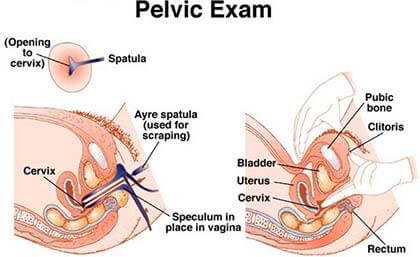
Cervical Biopsy Brooklyn NYCThe cervix is the lower part of the uterus that forms a canal that opens into the vagina and leads to outside the body. The tissue that’s removed is then closely examined under a microscope.

A cervical biopsy is normally performed during a colposcopy procedure or Pap Smear biopsy procedure.

Cervical Biopsy What Is a Cervical Biopsy?
A cervical biopsy is a procedure that is performed to remove tissue from the cervix to test for abnormal cells or precancerous conditions.

Cervical Biopsy or Punch Biopsy
The amount of tissue your doctor removes is dependent on the type of GYN biopsy being done. A simple cervical biopsy procedure, also known as a punch biopsy, removes a small piece of tissue from the surface of the cervix, where as an endocervical biopsy (endocervical curettage) removes tissue from high in the cervical canal and requires scraping with a sharp instrument.

Cone Biopsy
Cone biopsy Brooklyn NYCAnother possible GYN biopsy is a cervix cone biopsy or conization where your doctor will use a laser or scalpel to remove a large cone shaped piece of tissue from the cervix.

Lastly, there is the Loop Electrosurgical Excision procedure (LEEP) that uses a thin, low-voltage electrified wire loop to cut out any abnormal tissue found. In addition to removing tissue for testing, some of these procedures can be used to completely remove areas of abnormal tissue and may also be used in the treatment of precancerous lesions.

If you’re undergoing a cervix biopsy procedure that requires a general anesthetic, you’ll need to stop eating at least eight hours before the procedure.

Read more: https://brooklyngynplace.com/cervical-biopsy-obgyn-physicians-downtown-brooklyn-nyc/

Brooklyn GYN Place
142 Joralemon Street, #4CF,
Brooklyn, NY 11201
(718) 624-0604

Web Address:
https://www.brooklyngynplace.com/

Our location on the map: https://goo.gl/maps/TdxdKLtq6PuS65ck9

https://plus.codes/87G8M2V4+4H Brooklyn

Nearby Locations:
Downtown Brooklyn | Fort Greene | Boerum Hill | Cobble Hill | Columbia Street Waterfront District
11201| 11205 | 11217 | 11238 | 11231

Working Hours:
Monday - Friday: 9am - 5:30pm
Saturday: 9am - 11:30am
Sunday: Closed

Payment: cash, check, credit cards.

view in full page

What Are Uterine Fibroids?
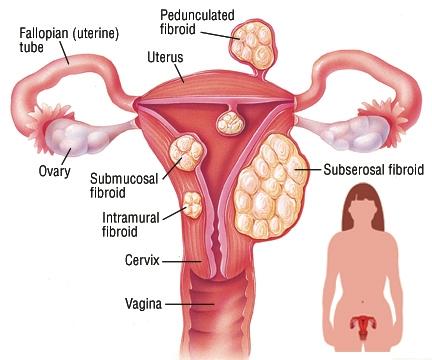
Uterine fibroids treatment Brooklyn, NYUterine fibroids develop in the womb and are muscular tumors. They are usually benign, and less than one in 1000 will become cancerous. Having fibroids does not increase your risk of developing another form of cancer in the uterus. Fibroids are usually round, and although they consist of the same smooth muscle as the wall of the uterus, they are much denser. Uterine fibroids may develop singly, or you might have multiple tumors. They can be very small or might grow to become grapefruit sized.

Who Gets Uterine Fibroids?
Uterine fibroids generally develop during the 30s, 40s, and through menopause but are most common amongst women in their 40s and early 50s. Genetics is another factor as if your mother or another close female relative had fibroids, your risk is approximately three times higher than average.
Overweight women are at higher risk, especially those who are very heavy. Your ethnicity also makes a difference, as African-American women are more at risk than white women. If you like to eat plenty of red meat and ham, you are more likely to get fibroids compared with a woman who eats lots of green vegetables, which seems to have a protective effect.

Read more: https://brooklyngynplace.com/uterine-fibroids-treatment-brooklyn-heights-nyc/

Brooklyn GYN Place
142 Joralemon Street, #4CF,
Brooklyn, NY 11201
(718) 624–0604

Web-address: https://www.brooklyngynplace.com/

Location on the map: https://goo.gl/maps/TdxdKLtq6PuS65ck9

https://plus.codes/87G8M2V4+4H Brooklyn

Nearby Locations:
Downtown Brooklyn | Fort Greene | Boerum Hill | Cobble Hill | Columbia Street Waterfront District
11201| 11205 | 11217 | 11238 | 11231

Working Hours:
Monday — Friday: 9am — 5:30pm
Saturday: 9am — 11:30am
Sunday: Closed

Payment: cash, check, credit cards.

view in full page
joined 1 year, 10 months ago

Pacific Northwest Prosthodontics

Pacific Northwest Prosthodontics

All-On-4  -  Pacific Northwest Prosthodontics is dedicated to the highest standards of care, technology, and service in the replacement of your teeth and restoration of your beautiful, healthy smile. We are committed to making sure that your time spent with us is as comfortable and fulfilling as possible. We offer prosthodontics, dental bridges, dental crowns, dental dentures, dental implants, and much more! Contact us at 509-309-2591.
More Services:

Oral Surgery

Immediate Dentures spokane WA

Dental Crowns spokane

Porcelain Veneers spokane WA


view this profile
joined 1 year, 10 months ago

Cardiology and Geriatrics Associates

Cardiology and Geriatrics Associates
Directory:
Expertise:

Visit Doctorscga.com to find the top Concierge Cardiologist in the Miami area. Experience enhanced and high quality care, and have access to your Cardiologist Anytime or Anywhere.


Concierge cardiologist Miami


view this profile
joined 1 year, 10 months ago

Brooklyn GYN Place

Brooklyn GYN Place

Brooklyn GYN Place is a fully licensed facility performing the full range of OB/GYN procedures. Patients who wish to have options for pregnancy issues may do so following an ultrasound evaluation. The gyn doctors affiliated with Brooklyn GYN Place are Board Certified OB/GYN’s affiliated with New York Methodist Hospital. Patients electing to have a surgical procedure may do so either awake or asleep. With over 20 years of experience, all procedures and exams are performed in a safe and comfortable setting.

Patients may also receive follow up GYN care with our physicians at Brooklyn GYN Place. Patients may elect to have their tubes tied subsequently via the new Essure procedure all of which can be done at Brooklyn GYN Place. Furthermore, patients who desire to have uterine fibroid management, surgical intervention for fibroids i.e. myomectomy/hysterectomy, routine pap smears, sonograms and STD testing may receive the highest standard of medical care at Brooklyn GYN Place. In addition, the HPV vaccine is now available.

Choose the top gynecology center in Brooklyn with multiple locations. Serving in Brooklyn Heights, Red Hook, Park Slope and Bedford-Stuyvesant. Cash/credit card, and most major insurances are acceptable.
Please call to speak with the Brooklyn GYN Place staff or to make an appointment: (718) 624–0604

Our Services:
Surgical Abortion
Non-Surgical Abortion
HPV Vaccine Near Me
Bacterial Vaginosis
Plan B Emergency Contraception
Pelvic Exam
Pelvic Sonogram
Novasure
Colposcopy
Cryosurgery
Essure
Cervical Biopsy
Vaginoplasty
Sonohysterogram / Hysterosonogram
Robotic Laparoscopic Surgery
Pelvic Floor Reconstruction
Pap Smear
LEEP
Labiaplasty
Hysterosonogram
Endometriosis
Endometriosis Signs and Symptoms
Laparoscopic Treatment of Endometriosis
Hymenotomy

Brooklyn GYN Place
142 Joralemon Street, #4CF,
Brooklyn, NY 11201
(718) 624–0604

Web-address:
https://www.brooklyngynplace.com/

Location on the map: https://goo.gl/maps/TdxdKLtq6PuS65ck9

https://plus.codes/87G8M2V4+4H Brooklyn

Nearby Locations:
Downtown Brooklyn | Fort Greene | Boerum Hill | Cobble Hill | Columbia Street Waterfront District
11201| 11205 | 11217 | 11238 | 11231

Working Hours:
Monday — Friday: 9am — 5:30pm
Saturday: 9am — 11:30am
Sunday: Closed

Payment: cash, check, credit cards.

Our social links:
https://www.facebook.com/nycgyno
https://twitter.com/AmirMarashi3
https://www.linkedin.com/company/brooklyn-gyn-place/
https://www.instagram.com/nycgyno/
https://www.youtube.com/channel/UC3nQzNZJAxPNGoe0YV_tgDg
https://www.pinterest.com/brooklyngynplace/
https://www.yelp.com/biz/brooklyn-gyn-place-brooklyn-3
https://www.tiktok.com/@brooklyngynplace

Find us at: https://www.vitadox.com/practice/brooklyn-ny-11201/brooklyn-gyn-place/r7CFGFfzWMQtgbfFri8j6F

View other locations Brooklyn GYN Place has been mentioned
https://wheretoapp.com/search?poi=12249965873243633081
https://local.yahoo.com/info-200501885
https://www.yasabe.com/en/brooklyn-ny/d-148042560-brooklyn-gyn-place-health-services.html
http://www.yellowmoxie.com/497703994.ym#.YN8aKugzaUk
https://www.yellowpagesdirectory.com/?page=show&state=NY&id=2022355


view this profile