Dashboard

E-Commentary


Sponsored

Motherhood Hospital

Motherhood Hospital

Motherhood Hospital is a speciality hospital chain that provides comprehensive women & child care in a home-like environment. We are renowned for providing compassionate and efficient care to enhance all aspects of a woman’s life. We pride ourselves as a leading integrated brand providing holistic care for children.


view this profile
  • Each year unhealthy diets are linked to 11m deaths worldwide a global study concludes
  • Red and processed meat not only cause disease and premature death from chronic non-communicable diseases (NCD) but also put the planet at unnecessary risk
  • Evidence suggests that the health benefits of a Mediterranean diet reduces the risk of NCDs and is better for the Planet

Eat like Greeks, live healthier lives and save our planet

 
Findings of an international research project about the relationship between diet and chronic diseases are reported in a paper entitled, “Health effects of dietary risks in 195 countries 1990-2017. A systematic analysis for the Global Burden of Disease Study 2017”, which is published in the April 2019 edition of The Lancet. The paper suggests that millions of people throughout the world consume an unhealthy diet comprised of  too much processed meat, sodium and sugar and too little plant-based foods, such as fruits and vegetables, whole grains and nuts. This results in a significant increase in the prevalence of chronic non-communicable diseases (NCD) such as coronary heart disease, cancer and diabetes and  each year causes some 11m avoidable deaths worldwide - 22% of all adult deaths: 10m from cardiovascular disease, 913,000 from cancer and some 339,000 from type-2 diabetes. According to the paper’s authors, “A suboptimal diet is responsible for more deaths than any other risks globally, including tobacco smoking, highlighting the urgent need for improving human diet across nations”.
 
In this Commentary
 
This Commentary reviews evidence of recent large-scale epidemiology studies, which suggest that “you are what you eat”.  Not only do unhealthy diets cause ill health and premature death for millions, they also harm the environment and push the Earth beyond its planetary boundaries. All the studies we describe conclude that we know the answer to this vast and escalating health problem: eat like Greeks or indeed the Japanese. Notwithstanding, changing the way populations collectively eat is a massive challenge facing governments, healthcare systems and individuals.
 
The Global Burden of Disease project
 
The Lancet paper’s findings described above are based on the Global Burden of Disease (GBD) enterprise, which is one of the world’s largest scientific collaborative research projects, which was started in the early 1990s by the World Bank to measure the impact of disability and death from hundreds of diseases worldwide. Over the past two decades its work has grown, and the endeavour has become institutionalized at the World Health Organization (WHO). Today, the GBD project is an international consortium of more than 3,600 researchers, its findings are updated annually and they influence health policy throughout the world.
 
Red meat and bowel cancer
 
Findings of a more narrowly focussed but nonetheless significant study, published in the April 2019 edition of the International Journal of Epidemiology warn that red-processed meat consumption is linked with bowel cancer.  According to Tim Key, the study’s co-author, Professor of Epidemiology and Deputy Director at Oxford University's Cancer Epidemiology Unit, “Results strongly suggest that people who eat red and processed meat four or five times a week have a higher risk of developing bowel cancer than those who eat red and processed meat less than twice a week . . . . There’s substantial evidence that red and processed meat are linked to bowel cancer and the World Health Organization classifies processed meat as ‘carcinogenic’ and red meat as ‘probably carcinogenic’”. Notwithstanding, Key warns that, “Diet studies are problematic because those who take part often either forget what they have eaten or fail to tell the truth”. Key also suggests that, “Most previous research [on diet and cancer] looked at people in the 1990s or earlier and diets have changed significantly since then”.
 
Chronic non-communicable diseases
 
Chronic non-communicable diseases (NCD) are largely caused by humans and are therefore preventable. Notwithstanding, they account for more than 70% of all deaths globally and emergent NCDs pose significant systemic challenges for both nation states and individuals. Forty percent of all adults in the world are overweight and 1.4bn suffer from hypertension: both critical risk factors of NCDs. In 2016, 18m people died from cardiovascular disease (CVD), representing 31% of all global deaths. In the US an estimated 92m adults are living with CVD. By 2030, 44% of the US adult population is projected to have some form of CVD. There are around 7m people living with heart and circulatory disease in the UK. Worldwide some 0.5bn people have diabetes and in 2018 there were 17m new cases of cancer worldwide. Although there are some encouraging signs associated with the slowing of the prevalence rates of NCDs globally, prevalence of NCDs is expected to rise because of population growth and aging, misaligned healthcare policies and institutional inertia.
 
The paradox of food insecurity and obesity
 
Paradoxically, food scarcity and obesity are both forms of malnutrition and represent a vast and escalating burden on the worlds limited and diminishing resources. This is because food insecurity can contribute to people being overweight and obese. Nutritious fresh foods often tend to be expensive, so when household resources for food become scarce, people choose less expensive foods that are often high in calories and low in nutrients. As a result, adult obesity rates continue to rise each year, from 11.7% in 2012 to 13.2% in 2016. In 2017 the World Health Organization estimated that more than one in eight adults, or more than 672m people in the world, were obese and 2bn were classified as overweight. A report from the Center for Strategic and International Studies, a think-tank based in Washington DC, US, suggests that worldwide each year, "Malnutrition costs US$3.5trn, with overweight- and obesity-related NCDs, such as cardiovascular disease and type 2 diabetes, adding US$2trn”.
 
The EAT-Lancet Commission on Food, Planet and Health
 
Not only do unhealthy diets result in NCDs and premature death, but they also harm the environment. The dual aspects of unhealthy diets causing disease and harming the planet are described in research conducted by the EAT-Lancet Commission on Food, Planet and Healthand reported in the January 2019 edition of  The Lancet.
EAT is an independent non-profit organisation based in Oslo, Norway, dedicated to food-system reform, which collaborated with The Lancet. The report took 3-years to complete and brought together 37 world-renowned scientists from 16 countries with expertise in health, nutrition, environmental sustainability, food systems, economics and political governance; and tasked them with reaching a consensus that defines a sustainable “healthy planetary diet”, which the authors suggest approximates a Mediterranean diet, see below.

The EAT-Lancet research, financed by the Wellcome Trust,analysed the diets of people in 195 countries using survey data, as well as sales data and household expenditure data to estimate the impact of unhealthy diets on the risk of death and morbidity from NCDs. The Commission’s authors provide a comprehensive picture of the consumption of 15 dietary factors across nations and quantify the potential impact of suboptimal intake of each dietary component on NCD mortality and morbidity among 195 countries. Also, researchers calculate mortality related to other risk factors,such as smoking and drug use, at the global level.


You might also be interested in:

Obesity: is processed food the new tobacco?
 

Criticism of the EAT-Lancet Commission
 
The EAT-Lancet Commission’s report has its critics. One is the UK’s National Farmers’ Union whose Vice President Stuart Roberts said, “Scientific communities agree that red meat plays a vital role in a healthy, balanced diet as a rich source of essential nutrients, minerals, amino acids and protein. It is overly simplistic to target one food group for a significant reduction in consumption, and it ignores its medically accepted role as a key part of a healthy, balanced diet   . . . It is clear that climate change is one of the greatest challenges of our time and British farmers are continuing to take action. A combination of policies and practises will be needed to enable farmers to meet their ambitions, but we must not forget the impact of a changing climate on food production”.
 
Benefits of red meat
 
Roberts is right to point out that red meat has health benefits. Heme iron, which is found in red meat (also in poultry, seafood and fish) is easily absorbed by your body and is a significant source of your dietary iron. Red meat also supplies you with vitamin B12 and zinc. The former is required for red blood cell formation, neurological function and DNA synthesis, and the latter helps stimulate the activity of at least 100 different enzymes and helps to keep your immune system working effectively. Further, red meat provides protein, which helps to build your bones and muscles. People have been eating meat for millennia and have developed digestive systems well equipped to handle it.

Notwithstanding, the overwhelming majority of red meat consumed in the developed world today is processed: raised in a factory environment, fed grain-based feed and given growth-promoting hormones and antibiotics and some animals, after being slaughtered, are further treated with nitrates, preservatives and various chemicals. The findings of all three studies described above demonstrate the harm of eating too much red and processed meat and stress the health and environmental benefits of a Mediterranean diet.

 
An urgent challenge
 
According to the EAT-Lancet Commission’s authors, “Providing healthy diets from sustainable food systems is an urgent and pressing challenge”. As the global population continues to grow - projected to reach 10bn by 2050 - and become wealthier, there is expected to be a concomitant increase in unhealthy diets comprised of red meat, processed food and sugar. To address this vast and escalating challenge, populations will need to combine significant dietary changes with enhanced food production and reduced food waste.
 
The impact of food waste
 
Before broaching some of the challenges associated with changing the way we eat collectively let us briefly describe the magnitude and effect of food wastage. According to the United Nation’s (UN) 1.3bn tonnes of food are wasted every year, which is about 33% of the total produced. The cost of global food losses and waste amounts to roughly US$990bn and yet some 800m people worldwide do not get enough to eat and 2bn people are overweight.
 
Further, food wastage is estimated to release the equivalent of 3.3bn tonnes of CO2 into the atmosphere each year. The total volume of water used annually to produce food that is lost or wasted (250km³) is equivalent to three times the volume of Lake Geneva. Similarly, 1.4bn hectares of land - 28% of the world's agricultural area - is used to produce food that is lost or wasted. And agriculture is responsible for a majority of threats to at-risk plant and animal species tracked by the International Union for Conservation of Nature. 
 
Changing what we eat and how we produce food will save lives and the planet
 
According to Alan Dangour, Professor in Food and Nutrition for Global Health at the London School of Hygiene & Tropical Medicine (LSHTM), “The EAT-Lancet Commission’s analysis demonstrates that shifts in our diets can have enormous beneficial effects on health and also substantially reduce our impacts on the environment.  This significant ‘win-win’ for health and the environment is not a new finding, but this analysis, which for the first time defines environmental boundaries for the food system, is the most advanced ever conducted”.
 
In a similar vein, Tara Garnett, a contributor to the EAT-Lancet Commission and a principal investigator of another research project on the future of food, also suggests that there’s nothing new in the Commission’s report but its fundamental message is that, “We’re not going to address our environmental problems unless we address the problems caused by the food system and we’re not going to address the problems caused by the food system unless we shift the way we eat collectively and globally”.

 
Rebalancing unhealthy diets is a significant challenge
 
Changing how we eat collectively, which Garnett and others suggest is necessary to reduce NCDs and enhance our environment, is not going to be easy. This is because it would involve cutting by half our consumption of red meat, processed food and sugar, and doubling our consumption of vegetables, fruit, pulses and nuts. For people living in the US and UK it would be even more challenging because the EAT-Lancet Commission ranks the US 43rd and the UK 23rd for their respective unhealthy diets out of the 195 nations in its study. It is suggested that in order to adopt a healthy diet Americans would need to eat 84% less red meat and six times more beans and lentils, and British people would have to eat 77% less red meat and 15 times more nuts and seeds.

Countries with the lowest rates of diet-related deaths are Israel, France, Spain and Japan. The highest rates are reported to be found in Uzbekistan, Afghanistan and the Marshall Islands. According to the Commission’s authors a Mediterranean-type-diet, “is what we should all be eating if we are concerned about our health and that of the planet”: it lowers the incidences of heart disease, diabetes and cancer, enables more environmentally helpful use of land and reduces carbon emissions.

 
The Mediterranean diet
 
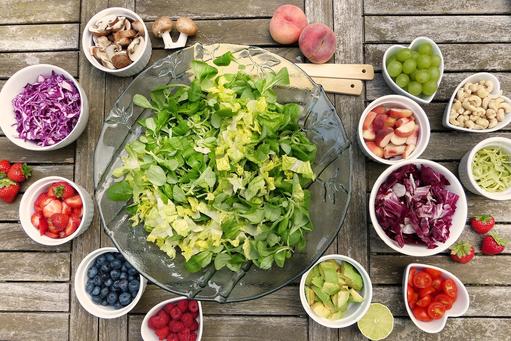
The Mediterranean diet has been around for millennia and tends to be more of a lifestyle than a diet. It entails significantly lower amounts of beef, dairy products, sugar, soft drinks, pastries and processed foods; higher amounts of fish, fruit, nuts and salads, and no pasta, French fries and pastries. Unlike fashionable commercial diets associated with the weight management market, the Mediterranean diet does not have a set of specific rules that focus on losing weight, but instead emphasises eating fresh food over a lifetime. Also, the Mediterranean diet has been well studied. Research suggests that it is associated with a reduced risk of heart disease and cardiovascular mortality because of its significantly lower amounts of oxidized low-density lipoprotein (LDL) cholesterol, (the "bad" cholesterol) which is more likely to build up deposits in your arteries. Other benefits include reduced incidence of cancer, Parkinson's and Alzheimer's diseases. Further, women who follow a Mediterranean diet have a reduced risk of breast cancer.
 
The PREDIMED study
 
Findings of a landmark clinical trial, entitled “Primary Prevention of Cardiovascular Disease with a Mediterranean Diet”, was published in the June 2013 edition of the New England Journal of Medicine (NEJM). Popularly known as the PREDIMED study (Prevencion con Dieta Mediterranea), it tested the impact of two Mediterranean diets on cardiovascular risk. The first included a Mediterranean diet plus 30 grams of mixed nuts per day and the second was a Mediterranean diet plus at least four tablespoons a day of extra-virgin olive oil. The two diets were then compared to a low-fat diet, which is popularly advocated and pursued in the US and UK and among other developed nations and discourages the consumption of any high-fat items such as butter, cheese, oil, meats and pastries.
 
The low-fat diet
 
In the 1960s low-fat diets as opposed to high-fat, high-cholesterol diets were considered to promote heart health. By the late 1980s and early 1990s the low-fat diet was advocated by doctors, policy makers, the food industry and the media although there was no hard evidence to demonstrate it prevented heart disease and promoted weight loss. Notwithstanding, the low-fat-diet became an important part of the large and rapidly growing global weight management market, which is valued at some US$169bn and projected to grow at a CAGR of 2.4% and reach a value US$279bn by 2023. Interestingly, in the 80s and 90s, as the low-fat diet became an institution in the US and UK so the prevalence of overweight and obesity increased. Only recently has the low-fat diet been challenged as scientific evidence about fats increased.
 
A significant study with some methodological challenges
 
The PREDIMED study involved 7,447 people between 55 and 80 who were free from heart disease, came from 11 study centres across Spain and were randomly assigned to one of the three diets for five years. Findings suggested that the Mediterranean diet significantly reduced the risk of heart attack, stroke and cardio-vascular mortality compared to the low-fat diet. However, researchers discovered flaws with the study’s methodology and withdraw their findings. Most significantly, not all participants were randomly assigned to their diet and this could have influenced their findings.
 
Revised study of the Mediterranean diet
 
Researchers adjusted their methodology for its "irregularities in the randomization procedures" and published “new” findings in the June 2018 edition of the New England Journal of Medicine (NEJM), which confirmed the health benefits of a Mediterranean diet for adults at high risk for heart disease and found that the Mediterranean diet, plus olive oil or nuts, reduced risk for heart events by 30% compared to a low-fat diet. Lead author Miguel Ángel Martínez-González suggested that only about 10% of participants were affected in their earlier study reported in 2013, and their 2018 analysis made researchers, "More convinced than ever of the robustness of the protection by the Mediterranean diet against cardiovascular disease”. According to Jeffrey Drazen, editor-in-chief of the NEJM, "Medical professionals and their patients can use the republished information with confidence". While reaction to the study’s initial findings was disappointing, experts are encouraged by the adjusted findings, which confirm the heart-health benefits of a Mediterranean diet, particularly in adults at high risk for heart disease. Notwithstanding, experts emphasise the significance of sustaining a healthy diet over time.
  
The health benefits of the Japanese diet
 
The Mediterranean diet is not the only diet, which has proven to have significant health benefits. The Japanese diet, which is low in calories and saturated fat and high in nutrients, especially phytonutrients such as antioxidants and flavonoids, found in different coloured vegetables, also has considerable health benefits. Findings of two studies; one published in the April 2017 edition of PLOS.ONE, and another published in the March 2016 edition of the British Medical Journal demonstrate that, closer adherence to a Japanese diet resulted in a significantly lower risk of death from NCDs and in particular from cardiovascular disease or stroke. Japan has the highest life expectancy of any country: 90 years for women and 84 for men. Okinawa, in southernmost Japan, has the highest number of centenarians in the world as well as the lowest risk of age-related diseases such as cancer and heart disease. There are nearly 800 centenarians in Okinawa, which has a population of 1,368,000. The diet of the Okinawan people has been little influenced by the dietary changes influenced by western culture, which also have been seen in more urban Japan.
 
Takeaways
 
All the research findings we describe in this Commentary confirm the adage that, “You are what you eat”. Nutrients from the food you eat provide support for all the cells in your body, which have different “shelf lives”. For example, your skin cells live for about a month and your red blood cells for about four months. So, your body is constantly regenerating new cells to replace those that have “expired”. The health of your new cells is partly determined by how well you have been eating. A diet high on processed red meat and low on nutrients does not help in this regeneration process. But a nutrient rich, whole food diet can help to build your cells so that they work better to help you recover from common illnesses and the wear-and-tear of everyday life and make you less susceptible to disease.
 
Although our concern about healthy eating has intensified in recent years, the phrase, “you are what you eat” is not new. In 1826 Anthelme Brillat-Savarin wrote in Physiologie du Gout, ou Meditations de Gastronomie Transcendante, "Dis-moi ce que tu manges, je te dirai ce que tu es[Tell me what you eat, and I will tell you what you are]. However, the phrase did not emerge in English until the 1920s when nutritionist Victor Lindlahr, who believed that food controls health, developed the Catabolic Diet. According to Lindlahr, "Ninety per cent of the diseases known to man are caused by cheap foodstuffs. You are what you eat". And in 1942, he published a book entitled, “You Are What You Eat: how to win and keep health with diet”. Eat like the Greeks, live healthier lives and save our planet.
view in full page

Nanda Orthodontics

Nanda Orthodontics
Directory:
Expertise:

Orthodontist Edmond OK - At Nanda orthodontics we are dedicated to your oral health and helping you. We use the latest, state of the art technology and always strive to make sure you are comfortable and informed through every step of your treatment. With 35 combined years of experience, the doctors implement digital x-rays, digital scanner, computerized diagnosis, treatment planning and simulated treatment outcomes for the most modern treatment with amazing results!


view this profile

rootcanal foundation

Dentist in Chennai
Directory:
Expertise:

Root Canal Foundation is an ISO certified multi-specialty dental clinic in Chennai located at Anna Nagar. It is one of the finest dental clinics in Chennai that provides Root Canal Therapy at high standards. We are intended to provide high class, friendly dental care treatments in a comfortable environment for the patients.


view this profile
 
Devi Shetty’s model for affordable healthcare


On the 26th March 2019 Bloomberg Businessweek published an article entitled, "The World’s Cheapest Hospital has to Get Even Cheaper”, which describes one of India’s largest private hospital chain's - Narayana Health - response to Modicare, a signature initiative by Prime Minister Narendra Modi to provide basic healthcare for 500m of India’s poorest.
 
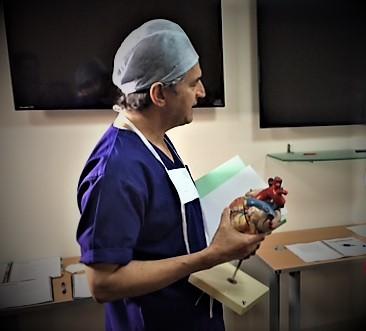
Devi Shetty, a world-renowned cardiac surgeon and chairman of Narayana Health, is up for the task. Since Shetty founded Narayana in 2000 it has grown to become a large multi-speciality hospital chain, comprising 31 state-of-the-art tertiary hospitals across 19 cities, employing 16,000 and each year treating over 2.5m patients across more than 30 medical specialities. Shetty’s mission is to provide high quality, affordable healthcare services to the broader population in India and he is convinced that quality and low-cost healthcare are not mutually exclusive. In conjunction with the state of Karnataka, Shetty has created a health insurance plan, which has enrolled some 3m poor people at an annual premium of about US$2.6. More than half of Narayana’s cardiac operations are performed on patients too poor to afford the full cost. In addition to the insurance scheme free or subsidized inpatient care is achieved through philanthropy and a cross-subsidy model, in which higher-income patients pay more for nonclinical amenities, such as private recovery rooms. Since the total charges are still far below the cost of comparable services at other private Indian hospitals, Narayana Health remains an attractive option for such consumers. Narayana Health’s business model is sustainable because of its ability to attract so many patients who can pay full price.  The Wall Street Journal has dubbed Shetty, The Henry Ford of Heart Surgery because he applies assembly line concepts to surgery in order to optimize productivity, minimize costs and leverage economies of scale. Because of these innovations the average cost of open-heart surgery, as reported by Narayana Health, is less than US$2,000. The same procedure at a US research hospital typically costs more than US$100,000.
 
Since 2012 HealthPad has worked closely with Devi Shetty. We published our first Commentary about Narayana Health and Devi Shetty’s model for affordable quality healthcare in 2013 and in subsequent years published two more. Shetty and his fellow senior surgeons have contributed over 700 videos to HealthPad’s  content library, which address FAQs across 11 clinical pathways. Further, Narayana’s clinicians have featured in HealthPad Commentaries on Chronic obstructive pulmonary disease (COPD),  Diabetes and Kidney Disease and Cardiovascular Disease.  Because of the large and growing international interest in Shetty’s alternative model for affordable healthcare we re-publish lightly edited versions of HealthPad’s three Commentaries about Narayana Health.


Will Devi Shetty have a major influence on global healthcare?
February 3rd, 2016


Devi Shetty’s hospital of the future
October 1st, 2014


The UK’s NHS loss is global healthcare’s gain
August 14th, 2013
view in full page
joined 7 years, 1 month ago

Brad Johnson

Best Dentist in Tucson
Directory:
Expertise:

Looking for a dentist in Tucson, AZ? At Badie Dental, we provide comprehensive care in a modern setting. Our flexible financial options fit most budgets.

Visit Us :- Tucson dentist


view this profile
First published on 14th August 2013
 

The UK’s NHS loss is global healthcare’s gain

 
In 2011 Devi Shetty, an Indian doctor, received the coveted business process innovation award in London from The Economist for his contribution to global healthcare. Trained as a cardiac surgeon in the UK, Shetty returned to India and started a hospital in Bengaluru in 2000. Today, Shetty is on the cusp of changing healthcare in the 21st century.
 
Shetty’s no-frills hospital chain
 
In 2012 Shetty launched the first in a chain of no-frills hospitals: a 200-bed single-storey clinic in Mysore, India. Built in 10 months for US$7m, it charges only US$800 for open heart surgery. Shetty rejected the multi-storey hospital model, because it requires costly foundations, steel reinforcements, lifts and complex fire and safety equipment. Much of the Mysore building was pre-fabricated. Its five operating theatres and intensive care units are the only air-conditioned places and families are encouraged to provide supplementary care for patients.
 
Shetty’s no-frills hospital chain owes its existence to his pioneering hospital in Bengaluru.
 
Shetty’s medical city in Bengaluru
 
In 2000 Shetty started Narayana Hrudayalaya, a specialist hospital for cardiac surgery, which today performs the highest number of heart surgeries in the world for any one hospital: 7,000 annually and does not compromise on quality. “We are only technicians,”  says Shetty. ”We realised that as you do more surgical procedures, your results get better, and your costs go downIn the US the average cardiac surgeon does about 2,000 surgeries in his or her professional lifetime. We have surgeons who have done more than 3,000 surgeries and they’re only in their 30s . . . imagine the expertise that they have, at that young age.
 
Medicines and associated hospital costs in India are significantly lower than in the West, but Narayana offers Indian patients value for money. The average price for open heart surgery in Narayana is around US$2,000, compared to US$5,000 in the average private Indian hospital and $20,000 to $100,000 in a US hospital.
 
Shortly after starting his Bengaluru cardiac centre, Shetty acquired a 35-acre site next door and built a 1,400-bed cancer hospital and a 300-bed eye hospital and created Narayana Hrudayalaya Medical City, which has 3,000 beds in Bengaluru and is run at near to full capacity. In total Narayana has some 7,000 beds in a number of clinics and hospitals throughout India, and plans to expand to 50,000 beds in the next five years.
 
Tele-medicine
 
In association with India’s Space Research Organization, Sherry's Bengaluru hospital runs one of the world’s largest tele-cardiology programs, which reaches 100 facilities throughout India, over 50 across Africa and Narayana’s doctors have treated some 70,000 patients remotely. Narayana Health also disperses 5,000 kidney dialysis machines, which makes the company India’s largest kidney-care provider.
 
Health insurance
 
With the state of Karnataka, Shetty has created a health insurance plan, which has enrolled some 3m poor people at an annual premium of about US$2.6. Last year, about 60% of Narayana Hrudayalaya cardiac operations were performed on patients too poor to afford the full cost.
 
Shetty however is not a charity. His hospitals treat a cross section of patients at variable rates but refuse to turn away anyone who cannot pay. “Charity,”  he says, “is not scalable. Good healthcare depends on good business.”  Shetty’s hospital group earns an after-tax profit of 8%, slightly above the 6.9% average for a US hospital.
 
 
Health City Cayman Islands
 
Shetty has now turned his attention outside of India and is engaged in a joint venture with the government of the Cayman Islands and a group of American institutional investors, to construct and operate a hospital in Grand Cayman to capture share from the North and South American healthcare markets.
 
The first phase, a 140-bed tertiary care facility for cardiac surgery, cardiology and orthopaedics, was opened in 2014 and benefits from the cost-effective healthcare procedures honed by Shetty over the past decade. By 2020, the Cayman enterprise, which also will have a medical university and an assisted-care living community, is projected to expand into a 2,000-bed Joint Commission International-accredited Health City providing care in all major specialties.
 
Super-size hospitals
 
At a time when the global healthcare debate is emphasising community based preventative strategies, Shetty’s vision is, “affordable healthcare for everyone in super-size hospitalsToday healthcare has got phenomenal services to offer,” he says. Almost every disease can be cured and if you can't cure patients, you can give them meaningful lives.” Shetty is driven by the fact that a century after heart surgery was developed only 10% of the world’s population can afford it. Each year, India alone needs 2.5m heart operations and yet there are only 90,000 performed.
 
"Current regulatory structures, policies and business strategies [for healthcare] are wrong,” says Shetty, If they were right, we should have reached 90% of the world's population." Recently, he shocked a UK audience of health providers by suggesting that it would be better if England only had three centres for cardiac surgery rather than 22. 
 
The Henry Ford of heart surgery
 
Sir Bruce Keogh, the UK’s former National Medical Director of the NHS Commissioning Board, once suggested that healthcare in England should become more like retail. Shetty thinks like a retailer, views patients as “customers” and has employed mass production techniques used in the early 20th century to automate the American car industry. Known as, “the Henry Ford of heart surgery”, Shetty has demonstrated that high volume complex surgeries mean better outcomes and lower costs. Similar to what Henry Ford did for the auto industry, Shetty has disaggregated clinical procedures into a number of discrete, standardized, unambiguous units, which can be learnt, practiced and repeated. His methods have successfully reduced hospital costs, increased efficiency, enhanced the quality of care and eliminated clinical mistakes. According to Shetty, “Healthcare has huge variation in procedures, outcomes and costs . . . It is the lack of standardization that contributes to hospital mistakes, high costs and low quality of care”.
 
Change is inevitable
 
Shetty is convinced that the dearth of health workers worldwide will force change and increase the use of emerging healthcare technologies. An advocate for open technological systems, he says, “In five years a computer will make more accurate diagnoses than doctors. In 10-years it will be mandatory for a doctor to get a second opinion from a computer before starting treatment.
 
Takeaways
 
Not only will Shetty’s Health City Cayman Islands be a lower cost alternative for North and South American patients, it will demonstrate how over-priced and inefficient hospitals in the West are. However, it is not altogether clear whether Shetty’s formula for low-cost high-quality surgical procedures will be effective outside of India. This is mainly because high quality ancillary services associated with complex surgeries, which are relatively inexpensive in India, tend to be patchy and significantly more costly outside of India. Notwithstanding, Shetty is determined to provide the world with a model of affordable healthcare.


view in full page
joined 7 years, 1 month ago

Pharmacy One

Pharmacy One
Directory:
Expertise:

Pharmacy One Heald Green is the areas first independent Pharmacy. We provide private and repeat NHS Prescription services, Travel Clinic and Online Doctor services. We offer NHS checks for Heart, Cholesterol, BP, Diabetes as well as Stop Smoking support. Blood tests, Vaccinations and Flu Jabs. Weight Management, Dossett Boxes, Emergency Contraception, Erectile Dysfunction Medication and much more. We are a Healthy Living Pharmacy and we can provide Care Home Services.

Business Hours:
Monday to Friday - 09:00-18:00
Saturday: 09:00-14:00


view this profile
joined 7 years, 1 month ago

London Interventional Clinic

London Interventional Clinic

We understand what it’s like to live with pain, and it’s our aim to help patients like yourself, with impactful, effective but minimally invasive treatments.We use state of the art techniques with ultrasound, fluoroscopy, viscosupplementation and radiofrequency treatment to provide rapid relief from pain related to the spine, the joints and the nerves.

 
Phone Number:
020 8185 7273


view this profile