Dashboard

E-Commentary


Sponsored
joined 6 years, 9 months ago

Will Drotsky Clinical Psychologist

Will Drotsky Clinical Psychologist
Directory:
Expertise:

WILL DROTSKY is a Clinical Psychologist in Gold Coast. Miami on the Gold Coast. He specialises in anxiety, stress, depression and life problems.


view this profile
joined 6 years, 9 months ago

Maroubra Dentistry

Maroubra Dentistry
Directory:
Expertise:

Our dental practice in Maroubra provides quality dental treatments and oral hygiene care in a friendly, relaxed atmosphere.


view this profile
joined 6 years, 9 months ago

Broadgate General Practice is a private medical clinic, same day doctor, walk in clinic and private gp situated in the heart of London. We offer efficient and professional services such as Flu Vaccinations, Cosmetic Treatments, Childrens Vaccinations, Sports Medicals and Health Screenings to anyone who requires them in and around London. We also offer hiv tests and chlamydia tests So, if you require a same day doctor to help with your health problems or treatments, Broadgate GP are the reliable, reputable and honest team to call. We are truly committed to providing you with a confidential, discreet and professional service and we are also a licensed Sexual Health Clinic and Family Planning Clinic.


view this profile

RG Stone Hospital, the best Urology and kidney stone hospital in India believes in delivering world-class healthcare facilities and services through 15 Super Specialty Urology Centers across the country. We have carved a strong presence in the healthcare domain in India by our state-of-the-art facilities, a team of expert doctors including urologists, nephrologists, gynaecologists, kidney stone specialists and more.

go to cluster
joined 6 years, 9 months ago

Locus Dental Care

Dentist in Ashok Nagar
Directory:
Expertise:

Locus dental care is one of the best dental clinics in Ashok Nagar, Chennai. We are providing excellent dental solutions at affordable cost.


view this profile
Will China become a world leader in health life sciences and usurp the US?
 
After World War II, the US captured the global lead from Europe in life sciences thanks to the large American domestic market, its strong network of university research laboratories, competent regulation, effective pricing regimens and generous federal R&D funding.
 
America’s leadership in life sciences is slipping
 
Over the past two decades, as China has systematically upgraded its economy from low-grade to high-grade production, it has come to realize the significance of the health life sciences and Beijing has become determined to win a larger share of the industry’s activity. During this time America’s leadership position in the life sciences industry has slipped.
 
  • Will China usurp the US and become a world leader in health life sciences?
  • What could the erosion of the life sciences industry mean for the US economy?
  • What can American life sciences corporations do to reduce or slow their market slippage?
 
Health life sciences
 
Health life sciences refers to the application of biology and technology to improve healthcare. It includes biopharmaceuticals, medical technology, genomics, diagnostics and digital health and is one of the future growth industries positioned to radically change the delivery of healthcare, substantially reduce the morbidity and mortality of a range of chronic and incurable diseases and save healthcare systems billions. The life sciences industry plays a key role in supporting the economies of the US and China as well as other nations and helps them to compete internationally. The sector requires a complex ecosystem, which integrates high-tech research, large, long-term investments of capital in the face of significant technological, market and regulatory risks, skilled labour, specific manufacturing skills, intellectual property (IP) protection and policy support. According to a 2019 Deloitte’s report on health life sciences the global market size of the industry is projected to grow from US$7.7trn in 2017 to US$10trn by 2022.
 
Reason’s for America’s slippage
 
America’s slippage in its life sciences industry is due to:
  • Increased fair competition from a number of nations, including the UK, and increased unfair competition from China who aggressively steals US IP to piggyback on American life-sciences innovations in order to benefit from enhanced therapies without having to pay their fair share for the costly R&D. China then uses its government’s monopsony power as a purchaser of life sciences offerings to limit the prices of US and other international firms
  • Recent US Administrations’ lukewarm support for the industry. Federal biomedical research funding has been cut in real terms. Reimbursement policies are changing to a value-based approach and pricing policies have tightened. Such policies create uncertainty regarding the government’s willingness to pay for future treatments and the research necessary to discover and bring them to market. The US is also falling behind in providing innovative tax incentives for the industry
  • American life sciences corporations’ reluctance and inability to adapt their strategies and business models to changing international markets.
 
Permanent economic damage
 
The Chinese competitive threat is real and significant. It is important for the US to maintain a competitive life-sciences sector since it generates high-skilled, high-paying jobs and its product offerings are sold throughout the world and the industry is a key component of the US traded economy. A weaker American competitive position in the life sciences could mean a lower value for the dollar, a larger trade deficit, plant closures and job losses. China and other nations, which are gaining global market share at the expense of the US, could cause significant damage to the American life-sciences industry.
 
Creating a health life sciences industry is challenging enough, recreating one after it has lost significant market share is even more challenging, if not impossible. We suggest that to reduce to possibility of this happening US life sciences corporations might consider changing the mindsets of their leaders and demonstrate a greater willingness to learn from and engage with Chinese start-ups, especially those in adjacent industries with AI and machine learning capabilities and experience. The cost of doing this will be to give up some IP, which might be worth doing given the potential financial benefits from such a strategy.

 
A “bullish” American perspective
 
The generally accepted Western perspective is that the US excels at visionary research and moon-shot projects and will always be the incubator for big ideas. The reasons for this include: (i) American education is open, encourages individuality and rewards curiosity and its universities have consistently produced vast numbers of innovative discoveries in the life sciences, (ii) American scientists have been awarded the majority of Nobel prizes in physiology/medicine, physics and chemistry, and (iii)  America is the richest nation in the world. This suggests that there are no apparent reasons why the US should not continue as a world leader in health life sciences.

By contrast, China has stolen and copied America’s intellectual property (IP) for years and is a smaller economy fraught with politico-economic challenges. Although China’s economic growth has lifted hundreds of millions of people out of poverty, China remains a developing country with significant numbers of people still living below the nation’s official poverty level. Beijing has challenges balancing population growth with the country’s natural resources, growing income inequality and a substantial rise in pollution throughout the country. Further, China’s educational system is conformists and not geared to producing scientists known for making breakthrough discoveries. This is borne-out by the fact that China only has been awarded two Nobel prizes for the sciences: one for physiology and medicine in 2015 and another for physics in 2009.

 
Copiers rather than inventors
 
Over the past four decades Chinese scientists, with the tacit support of Beijing, have aggressively and unethically stolen Western technologies and scientific knowhow. According to findings of a 2017 research report from the US Intellectual Property (IP) Commission entitled The Theft of American Intellectual Propertythe magnitude of "Chinese theft of American IP currently costs between US$225bn and US$600bn annually."

America’s response to China’s IP theft has been to adopt the moral high-ground, dismiss China as an unscrupulous nation not worthy of investment and focus on commercialising its discoveries with “single bullet” product offerings and marketing them in wealthy regions of the world, predominantly North America, Europe and Japan. Over the past decade, this strategy has been supported by a US Bull market in equities, which started in 2009, outpaced economic growth in most developed nations and led to a significant degree of satisfaction among C-suites and boards of directors of US life sciences corporations, which did not perceive any need to adjust their strategies and business models despite some market slippage and changing market conditions.

 
Confucian values support conformism rather than discovery
 
Although China has benefitted economically from the theft of American IP, the American view tends to be that China is unlikely to become a world leader in the life sciences because the nation has not produced a cadre of innovative scientists and its education system is unlikely to do so in the near to medium term. Chinese education encourages students to follow rather than to question. Indeed, Confucian values remain a significant influence on Chinese education and play an important role in forming the Chinese character, behaviour and way of living. Confucianism aims to create harmony through adherence to three core values: (i) filial piety and respect for your parents and elders, (ii)  humaneness, the care and concern for other human beings, and (iii) respect for ritual. According to Confucian principles, “a good scholar will make an official”. Thus, some of China’s best scientists leave their laboratories for administrative positions.
 
Further, Chinese universities tend to bind students to their professors who expect unquestioning loyalty. Scepticism towards generally accepted scientific theories is discouraged, especially when they are held by senior academics. Also, China unlike the US, does not tolerate “failure”, and this incentivises Chinese scientists to conduct “safe” research that yields quick and “achievable” outcomes. All these factors conspire to discourage high risk creative scientific activity and encourages safer, “copycat” research endeavours.
 
The strength of the US$ and the US economy
 
America’s global leadership in the life sciences is supported by the fact that the US is the world’s richest and most powerful nation. In nominal terms (i.e., without adjustment for local purchasing power) the US and China have GDPs of US$19trn and US$12trn respectively and  populations of 326m and 1.4bn. Further, the US has an “unrivalled” global trading position: the US dollar is the strongest currency in the world and dominates the overwhelming percentage of all international trade settlements: 70% of all world trade transactions are in US$, 20% in €’s and the rest in Asian currencies, particularly the Japanese ¥ and increasingly the Chinese ¥. Also, US dollar holdings make up the largest share of foreign exchange reserves and the effect of this is to maintain the high value of the US$ compared with other currencies and provide US corporations with significant profits, US citizens with cheap imports and the US government with the ability to refinance its debts at low interest rates.
 
An Asian context
 
We suggest that it is increasingly important for American health life science professionals to get a better understanding of China and Asia. The Asian perspective described here is drawn from three recent books: The New Silk Roads: The Present and Future of the World by Peter Frankopan, The Future is Asian by Parag Khanna and AI Super-Powers: China, Silicon Valley and the New World Order published in late 2018 by Kai-Fu Lee.  

Crudely put: the 19th century was British, the 20th century American and the 21st century is expected to be Asian. The era of breakthrough scientific discoveries and stealing American IP is over, and we have entered an “age of implementation”, which favours tenacious market driven Chinese firms. “Asians will determine their own future; and as they collectively assert their interests around the world, they will determine ours as well”, says Khanna. This is starkly different to American prognosticators who assume that the world will be made in the American image, sharing American values and economics.
Asian view of the US$

Some observers suggest that there are chips appearing in the giant US edifice of international trade described above. The current US Administration’s policies have triggered and intensified discussions in Europe and Asia about America’s dominant global economic position and suggest that the US$ might be starting to weaken against a basket of currencies as China, Russia, Iran, Turkey and other nations, choose to use local currencies for some international trade transactions, which they then convert into gold. Further, central banks are tightening their monetary policies and adjusting their bond purchasing strategies. A common US view is that such trading activities are so small relative to global US$ transactions they will neither weaken the US$ nor dent America’s pre-eminent global trading position.
You might also like:

Can Western companies engage with and benefit from China?
Notwithstanding, replacing the US$ with the Chinese ¥ seems to be part of Beijing’s long-term strategy, as Beijing encourages its trading partners to accept the ¥ as payment for Chinese exports. China’s recent trading agreements with Canada and Qatar for instance have been based upon local currencies rather than the US$. China, which is the biggest importer of oil, is preparing to launch a crude oil futures contract denominated in Chinese ¥ and convertible into gold. European, Asian and Middle Eastern countries have embarked on domestic programs to exclude the US$ from international trade transactions. Also, oil exporting countries are increasingly able to choose which currencies they wish to trade in. At the same time, oil-producing countries no longer seem so interested in turning their revenues into “petrodollars. For the past decade, President Putin of Russia has been calling for the international community to re-evaluate the US$ as the international reserve currency. All this and more suggests that increasingly, emerging economies may transition from their undivided dependence on the US$ for international trade settlement to a multipolar monetary arrangement. Whilst small relative to the full extent of global trade, it is instructive to view these changes within a broader Asian context.
 
The US has had little exposure to China and Asia
 
One outcome of America’s pre-eminent global economic position and the financial success of American life sciences companies is that corporate leaders and health professionals tend to have little or no in-depth exposure to Chinese and Asian culture and markets. For example, few Fortune 500 senior executives have worked in China; few American life sciences corporations have sought in-depth briefings of Asian markets and few US students and scientists have studied or carried out research in China. Instead, American life science corporate leaders tend to be US-centric; they condemn China for its IP theft and recommend not to invest in China because a condition of doing so is that you are obliged to part with some of your IP.
 
Asia a potential economic powerhouse
 
This distancing has resulted in life science professionals “misdiagnosing” China in a number of ways, which we will discuss. One misdiagnosis is to conflate China with Asia. Asia is comprised of 48 countries. East Asia includes China, Japan and North and South Korea. South Asia includes India, Pakistan and Bangladesh. South East Asia includes Indonesia, Malaysia, Philippines, Singapore and Thailand. These three sub-regions link 5bn people through trade, finance, infrastructure and diplomatic networks, which together represent 40% of the world’s GDP. China has taken a lead in building new infrastructure across Asia - the new Silk Roads - but will not necessarily lead this vast region alone. Rather, as Khanna reminds us, “Asia is rapidly returning to the centuries-old patterns of commercial and cultural exchanges, which thrived long before European colonialism and American dominance”.
 
The difference between IP theft and imitating ‘what works

Market driven Chinese start-ups, supported by the government, are expected to transform China into a world leader in health life sciences by 2030. The thing to understand about China is that it is not just a few start-ups that steal and copy American IP but thousands, which then aggressively compete. This entails cutting prices, improving and adapting their product offerings, developing leaner operations and aligning their strategies and business models to the demands of different markets. The vast scale of this activity has led to a unique cadre of über agile Chinese entrepreneurs, who imitate successful business models and then engage in value added culture-specific product development processes. This has led to Chinese companies becoming exemplary “market driven” implementors. By contrast American companies tend to be “mission driven” and operate a “single bullet” business model and are either slow or reluctant to adapt to the demands of different markets. This results in US discoveries being exploited in Asia by Chinese rather than American companies. We suggest that there are significant benefits to be derived from American life sciences companies developing joint ventures with market driven Chinese start-ups even if it means surrendering some IP.
 
As a postscript, it is worth pointing out that the first Chinese patent was only granted in 1985 and recently, after decades of widespread theft, IP protection in China has improved at lightning speed. As Chinese companies issue more patents, the keener they are to protect them. According to the World Intellectual Property Organization in 2017 China accounted for 44% of the world’s patent filings, twice as many as America.

 
US inventions exploited in Asia by Chinese start-ups
 
An illustration of a disruptive life science technology invented in the US but exploited faster and more extensively in China is CRISPR-Cas9 (an acronym for Clustered Regularly Interspaced Short Palindromic Repeats), which is generally considered to be the most important invention in the history of biology.  The initial discovery was made in 2012 by a collaboration between Jennifer Doudna, at the University of California, Berkeley, USA and French scientist Emmanuelle Charpentier. Applications of CRISPR technology are essentially as infinite as the forms of life itself. Since its discovery, modified versions of the technology by Chinese scientists have found a widespread use to engineer genomes and to activate or to repress the expression of genes and launch numerous clinical studies to test CRISPR-Cas9 in humans.
 
Virtuous circle
 
Notwithstanding, transforming CRISPR genomic editing technologies into medical therapies requires mountains of data and advanced AI capabilities. China has both. The more genomic data you have the more efficacious clinical outcomes are likely to be. The better your clinical outcomes the more data you can collect. The more data you collect the more talent you attract. The more talent you attract the better the clinical outcomes. China is better positioned than America to benefit from this virtuous circle. China’s less than stringent regulation with regards to privacy and storing personal data gives it a distinct competitive advantage over American and Western life sciences companies. China also has more efficient means than any Western nation for collecting and processing vast amounts of personal data.
 
Collecting personal data

Any casual visitor to China will tell you that one of the striking differences with Western nations is that the Chinese economy is cashless and card-less. Citizens pay for everything and indeed organise their entire lives with a mobile app called WeChat, a multi-purpose messaging, social media and mobile payment app developed by TencentWeChat was first released in 2011 and by 2018 it was one of the world's largest standalone mobile apps, with nearly 1bn daily users who every day send about 38bn messages. Not only is WeChat China's biggest social network it is also where people turn to book a taxi, hotel or a flight, order food, make a doctor’s appointment, file police reports, do their banking or find a date and has become an integral part of the daily life of every Chinese citizen. State-run media and government agencies also have official WeChat accounts, where they can directly communicate with users. Further, an initiative is underway to integrate WeChat with China’s electronic ID system. It may be hard for people outside of China to grasp just how influential WeChat has become. There is nothing in any other country that is comparable to WeChat, which captures an unprecedented amount of data on citizens that no other company elsewhere in the world can match. This represents a significant competitive advantage. Applying AI and machine learning technologies to such vast data sets provide better and deeper insights and patterns. These vast and escalating data sets, and advanced AI capabilities for manipulating  them, give China a significant competitive advantage in the high growth life sciences industry, which  increasingly has become digital.
 
 Processing personal data
 
AI is another example of  a technology invented in the West and implemented much faster in China. The “watershed” moment for China was in 2017, when AlphaGo became the first computer program to defeat a world champion at the ancient Chinese game of Go. Since then, China has been gripped by “AI fever”.

Until recently AI machines were not much better than trained professionals at spotting anomalies and mutations in assays and data. This changed in early-2,000 with the ubiquitous spread of mobile telephony and the confluence of vast data sets and the development of neural networks, which made the onerous task of “teaching” a computer rules redundant. Neural networks allow computers to approximate the activities of the human brain. So, instead of teaching a computer rules, you simply feed it with vast amounts of data and neural networking and deep learning technologies identify anomalies and mutations in seconds with exquisite accuracy.

The Beijing Genetics Institute

An illustration of the scale and seriousness of China’s intent to become a world-leader in life sciences and to eclipse similar initiatives by the US is the 2016 launch of a US$9bn-15-year national initiative to develop technologies for interpreting genomic and healthcare data. This national endeavour followed the launch in 1999 of the Beijing Genomics Institute (BGI), which today is a recognised global leader in next generation genetic sequencing. In 2010, BGI received US$1.5bn from the China Development Bank, recruited 4,000 scientists and established branches in the US and Europe. In 2016 BGI created the China National GeneBank (CNGB) on a 47,500sq.m site in Shenzhen, which benefits from BGI’s high-throughput sequencing and bio-informatics capacities. CNGB officially opened in July 2018 and is the largest gene bank of its kind in the world. Dozens of refrigerators can store samples at temperatures as low as minus 200 degrees Celsius, while researchers have access to 150 domestically developed desktop gene sequencing machines and a US$20m Revolocity machine, known as a “super­sequencer”. The Gene Bank enables the development of novel healthcare therapies that address large, fast growing and underserved global markets and to further our understanding of genomic mechanisms of life. Not only has CNGB amassed millions of bio-samples it has storage capacity for 20 petabytes (20m gigabytes) of data, which are expected to increase to 500 petabytes in the near future. The CNGB represents the new generation of a genetic resource repository, bioinformatics database, knowledge database and a tool library, “to systematically store, read, understand, write, and apply genetic data,” says Mei Yonghong, its Director.

US life sciences benefit by engaging with Chinese companies

Lee, in his book about AI, suggests that it is not so much Beijing’s policies that keep American firms out of the Chinese markets, but American corporate mindsets, which misdiagnose Chinese markets, do not adapt to local conditions and fail to understand the commercial potential of Chinese start-ups and consequently get squeezed out of the Chinese market.

This is what happened as Google failed to Baidu, Uber failed to DiDi, Twitter failed to Weibo, eBay failed to TaoBao, and Groupon failed to Meituan-Dianping. We briefly describe the demise of Groupon and point to lessons, which can be learned from it.
 
Lessons from Groupon’s failure in China

Groupon failed to adapt its core offering when group discounts in China faded in popularity and as a consequence it rapidly lost market share. Meituan, founded in 2010 as a Chinese copy of Groupon, quickly adapted to changing market conditions by extending its offerings to include cinema tickets, domestic tourism and more importantly, “online-to-offline” (O2O) services such as food and grocery delivery, which were growing rapidly.
 
In October 2015, Meituan merged with Dianping, another Chinese copy of Groupon, to become Meituan-Dianping the world's largest online and on-demand booking and delivery platform. The company has become what is known as a transactional super app, which amalgamates lifestyle services that connect hundreds of millions of customers to local businesses. It has over 180m monthly active users and 600m registered users and services up to 10m daily orders and deliveries. In the first half of 2018 Meituan-Dianping facilitated 27.7bn transactions (worth US$33.8bn) for more than 350m people in 2,800 cities. That is 1,783 enabled services every second of every day, with each customer using the company’s services an average of three times a week. Meituan-Dianping IPO’d in 2018 on the Hong Kong stock exchange and raised US$4.2bn with a market cap of US$43bn.
 
Efficiency also drives innovation. Meituan-Dianping’s Smart Dispatch System, introduced in 2015, schedules which of its 600,000 motorbike riders will deliver the millions of food orders it fulfils daily. It now calculates 2.9bn route plans every hour to optimize a rider’s ability to pick up and drop off up to 10 orders at once in the shortest time and distance. Since Smart Dispatch launched, it has reduced average delivery time by more than 30% and riders complete 30 orders a day, up from 20, increasing their income. In 2019, the American business magazine Fast Company ranked Meituan-Dianping as the most innovative company in the world.
 
Takeaways
 
Although Meituan-Dianping and other companies we mention may not be well known in the West and are not in the health life sciences industry, they are engaged in highly complex digital operations disguised as simple transactions, which enhance the real-world experiences of hundreds of millions of consumers and millions of merchants. To achieve this the companies have amassed vast amounts of data and have perfected AI and machine learning technologies, which make millions of exquisitely accurate  decisions every hour, 24-7, 365 days a year. Such AI competences are central to the advancement of health life sciences. American life science professionals might muse on the adage: “make your greatest enemy your best friend” and consider trading some of their IP to joint venture with fast growing agile Chinese data companies in a strategy to restore and enhance their market positions.
view in full page
  • People and doctors often miss early warning signs of cancer
  • Nearly 50% of all cancers are diagnosed late when they have already spread
  • Each year cancer kills 8m people worldwide and cost billions
  • 40% of cancer deaths could be prevented by early detection
  • Traditional tissue biopsies used to diagnose cancer are invasive, slow, costly and often yield insufficient tissue
  • New non-invasive tests are being devised to detect cancer early
  • Such tests are positioned to significantly reduce the vast and growing global burden of cancer
  • But before these tests enter clinics, they need to overcome a number of challenges
 

A paradigm shift in cancer diagnosis


How close are we to developing a simple, cheap, rapid and exquisitely sensitive non-invasive test to diagnose cancer in healthy-looking people?

Recently, attention has been drawn to a breathalyser test for cancer diagnosis, which is just starting a significant 2-year clinical study in the UK. In 2018, a “liquid biopsy” was popularly heralded as “the holy grail” of cancer diagnosis, only quickly to be quashed by medical experts who warned that this conclusion was “premature” and “misleading”. Further, image recognition is increasingly being used as a technique to detect cancer. Given the extent and depth of these endeavours it seems reasonable to assume that, within the next decade, gold-standard solid tumour biopsies for detecting cancer will be replaced by non-invasive diagnostic techniques.

 
In this Commentary
 
In this Commentary we describe evolving innovative techniques to detect cancer early, which include a breathalyser, a liquid biopsy and an image recognition test. But first we: (i) briefly describe the epidemiology of cancer, (ii) explain the extent, implications and some of the causes of late diagnosis, which is driving the development of these new non-invasive detection techniques, (iii) describe how ‘personalized’ medicine, predicated upon the molecular signatures of cancer tumours, has become routine clinical practice and demand more efficacious techniques to understand the complexities of cancer.
 
Cancer snapshot
 
Cancer is among the leading causes of death worldwide. In 2012, there were 14.1m new cases and 8.2m cancer-related deaths worldwide. 57% of these new cancer cases occurred in less developed regions of the world, which include Central America, parts of Africa and Asia. 65% of cancer deaths occurred in these regions. The number of new cancer cases per year is expected to rise to 23.6m by 2030. It is estimated that over 40% of cancer cases are preventable. In the UK there are more than 360,000 new cancer cases and over 166,000 cancer deaths every year. Since the early 1990s, incidence rates for all cancers combined in England have increased by 13% each year. Annual NHS costs for cancer services are over £5bn, but the cost to British society - including costs for loss of productivity - is over £18bn. In the US, over 1.7m new cases of cancer were diagnosed in 2018 and some 0.61m people died from the disease. It is estimated that in the US the annual national expenditure on cancer is some US$150bn. Early diagnosis and cancer prevention would significantly reduce  cancer morbidity and mortality and achieve large cost savings for healthcare systems.
 
The challenge of late cancer diagnoses

The significance of developing a simple non-invasive test to diagnose cancer early cannot be over-emphasised. For a number of reasons, almost half of people who get cancer are diagnosed late, which makes treatment less likely to succeed, reduces chances of survival and significantly increases the cost of care. For instance, in the UK about 25% of all cancer cases only are diagnosed following presentation in A&E. The vast majority of these cases are already at a late stage, when treatment options are limited, and survival is poorer. Further, a substantial percentage of people neither avail themselves  of cancer screening nor present themselves to primary care physicians with early symptoms. A good example of this is cervical cancer screening in the UK, which is offered every three years to all women aged between 25 and 64. Despite the test only taking a few minutes, each year over 1.3m women choose not to attend, and non-attendance is the biggest risk factor to developing cervical cancer. Each year, some 220,000 women in the UK are diagnosed with cervical abnormalities and over 800 women die from the disease.
 
Implications of inefficient healthcare systems
 
Late diagnosis not only occurs for non-compliance. Some cancers are asymptomatic while others have general non-specific symptoms and are often mistaken for lesser ailments. Further, inefficiencies in healthcare systems can lead to late diagnosis and increased cancer morbidity and mortality. For example, in February 2019 the UK’s National Audit Office (NAO) published an “Investigation into the management of health screening”, which concluded that none of the key screening programs in England - for bowel, breast or cervical cancer - met their targets because of management and IT failures.  As a consequence, about 3m women across England have not had a cervical cancer test for at least three-and-a-half years. In 2018, more than 150,000 cervical screening samples piled-up in laboratories due to outdated IT systems, staff shortages and changes in testing procedures. Faulty IT systems also are reported to have resulted in 5,000 women not being invited for breast screening, which in England is currently offered once every three years to women aged 50 to 70. According to the NAO report, in 2017 450,000 women missed a final breast cancer screening test because of a system failure, which is believed to have been responsible for some 270 deaths.
 
Molecular biology challenges to gold standard solid tissue biopsies
 
In the past decade, ‘personalized’ medicine predicated upon the molecular signatures of cancer tumours has become routine clinical practice. The identification on tumour tissue of predictive biomarkers of response to personalized targeted therapies is now considered optimal patient care. Notwithstanding, such treatment faces a number of biological and technological challenges associated with traditional solid tumour biopsies' access to tumours and the heterogeneity of tumours.
 
While some cancer tumours are easily accessed, others have limited accessibility because they are either deep in the body or embedded in critical organs. This makes obtaining a comprehensive “picture” of such tumours challenging and may increase clinical complications. Further, tissue samples from different regions of the same tumour may differ and tissue specimens from primary and metastasized tumours can also differ. In addition, studies have shown the dynamic changes of tumour features over time and the emergence of therapy-resistance. Thus, inter- and intra-tumour heterogeneity pose a pivotal challenge to guide clinical decision-making in cancer therapy as traditional biopsies may be unable to capture a complete genomic landscape of a patient’s tumour. 
 
A non-invasive test, such as sampling blood, urine, salvia and breath can provide the same genetic information as a solid tissue biopsy and has certain added advantages, which include: (i) they are a source of fresh tumour-derived material, unhampered by preservatives and (ii) they provide an alternative sample type in routine clinical practice when tumour sampling is unavailable, inappropriate or difficult to obtain.
Breath test to diagnose cancer

Because of the challenges associated with traditional biopsies, clinical attention is turning to non-invasive tests and recently to a breath test, which promises to be able to diagnose cancer early. A study to detect cancer through breath, which was carried out by researchers from Imperial College London and the Karolinska Institutet in Sweden and presented at the 2017 European Cancer Congress (ECC) in Amsterdam, Holland was promising but inconclusive.

You might also like:

World’s first blood tests that detect and locate cancer


The study aimed to test whether a “chemical signature”, composed of five substances, which seemed to typify cancer could be the basis for a diagnostic test for the disease. Breath samples were tested of some 335 patients attending leading London hospitals. Of these, 163 had been diagnosed with oesophageal or stomach cancer and 172 presented with upper gastrointestinal symptoms, but without any evidence of cancer after an endoscopy.

Findings suggested that four of the five chemical substances were expressed differently in the breath samples from those diagnosed with cancer, compared to those where no cancer had been found. The breath test was able to correctly indicate cancer in around 80% of patients who had cancer (sensitivity), and able to correctly exclude cancer in around 80% of cases, which did not have cancer, (specificity). Although the findings were promising, researchers concluded that, "The study shows the potential of breath analysis in non-invasive diagnosis of oesophageal cancer. The potential benefits of this technology to patients may be early diagnosis and improved chance of survival. If placed as an endoscopy triage test, the benefits to healthcare systems may include cost-saving through reducing the number of negative endoscopies. However, these findings must be further validated in an un-enriched larger population of patients undergoing diagnostic endoscopy and in false negative patients the value of repeat testing should be established".

 
Expanded clinical study for breath biopsy

Following these promising conclusions a large two-year clinical trial of a breath test, called the Breath Biopsy, supported by Cancer Research UK was started in January 2019 at Addenbrooke’s Hospital in Cambridge, UK, and aims to detect whether exhaled airborne molecules called volatile organic compounds (VOCs) can be useful in detecting cancer. The study expects to recruit 1,500 participants including healthy people to act as a control group. Scientists hope the study will lead to a simpler, cheaper method of spotting cancers at an early stage when they are more likely to respond to treatment. Study participants will be asked to breathe into a device called the Breath Biopsy, which has been developed by Owlstone Medical, a private company founded in 2003 and based in Cambridge. 
 
Breath biopsy to target two challenging cancers
 
In the first instance, only patients with oesophageal and stomach cancers will be invited to try the Owlstone breath biopsy.  Both of these cancers are aggressive and tend to be diagnosed late because in the early stages they either cause no symptoms - in the case of oesophageal cancer - or symptoms that are vague and easy to mistake for other less serious conditions - in the case of stomach cancer. Currently, oesophageal and stomach cancers are diagnosed using endoscopy, which involves a camera attached to a flexible tube being passed down the throat. The procedure is invasive, it risks complications and is expensive. If the breath test is successful with these two cancers, it will be expanded to include patients with prostate, kidney, bladder, liver and pancreatic cancers.
 

Oesophageal and stomach cancers
 
Oesophageal cancer is the 7th most commonly occurring cancer in men and the 13th most commonly occurring cancer in women. In 2018, there were over 0.5m new cases diagnosed globally. The 5-year survival rate for patients with oesophageal cancer is less than 20%. Each year, there are around 9,000 new cases diagnosed in the UK and around 7,900 oesophageal cancer deaths. In the US, it is estimated that there were 17,290 new cases of the disease and 15,850 deaths in 2018
 

Stomach cancer is the 4th most commonly occurring cancer in men globally and the 7th most commonly occurring cancer in women. The disease represents the 3rd cause of cancer death in the world with about 723,000 deaths each year, which accounts for 8.8% of all cancer deaths. In 2018, there were over 1m new cases of stomach cancer worldwide. The five-year survival rate for the disease is about 30% and the 10-year survival rate 15%. According to the American Cancer Society's estimates, over 27,000 patients are expected to be diagnosed with stomach cancer in the US in 2019, of whom some 11,000 are expected to die. In the UK, there are around 7,000 new stomach cancer cases every year and around 4,500 stomach cancer deaths.

 
Chemical signature

According to the lead investigator of the breath biopsy clinical study, Rebecca Fitzgerald, professor of Cancer Prevention at Cambridge University and Consultant in Gastroenterology and General Medicine at Addenbrooke's Hospital, “We urgently need to develop new tools, like this breath test, which could help to detect and diagnose cancer earlier, giving patients the best chance of surviving their disease. Through this clinical trial we hope to find signatures in breath needed to detect cancers earlier. It’s the crucial next step in developing this technology.”
 
Liquid biopsies

Following the presentation of research findings of liquid biopsy clinical studies at the 2018 annual conference of the American Society of Clinical Oncology (ASCO) there were press reports suggesting that the new test was the holy grail” of cancer diagnosis. This was quickly quashed by medical experts who described the press claims as “premature” and “misleadingly”.

A “liquid biopsy“ has the potential to detect and classify mutations from minute fragments of circulating tumour in a blood sample and entails assessing circulating tumour cells (CTCs) and cell-free DNA (cfDNA) and its subsets of circulating tumour DNA (ctDNA) and cell-free RNA (cfRNA). Liquid biopsies are considered to provide significantly superior biomarkers than the traditional cancer biomarkers such as the prostate specific antigen (PSA) and cancer antigen 125 (CA125) tests, which have been used for decades to support the diagnosis and management of cancer. With the exception of the PSA test, which is used as a screening test for prostate cancer, none of the traditional cancer tests are recommended for population screening because their sensitivity and specificity are not accurate enough.

 
Liquid biopsies effective only after diagnosis
 
While promising, liquid biopsies represent an emerging technology, which has been shown to be effective in personalizing therapy after diagnosis but has yet to demonstrate its clinical utility against the current gold standard tissue biopsies for confirming a cancer diagnosis. There is a relative dearth of evidence on the capabilities of liquid biopsies for detecting cancer early. Expert consensus suggests that liquid biopsies have significant limitations and the tests are not sufficiently developed for widespread use. Liquid biopsies are neither as good nor better than existing screening methods and are not ready for meaningful clinical application because their accuracy, reliability, and reproducibility are still unknown.
 
US biotech start-up conducting large clinical studies of liquid biopsies
 
Notwithstanding, the development of liquid biopsies continue at a pace. Not least the R&D being undertaken by GRAIL Inc., a private US biotech company, spun out in 2015 from San Diego-based Illumina, the world’s largest gene sequencing company. GRAIL is currently valued at US$2.5bn and since its inception has raised US$1.5bn. The company has started two large long-term clinical studies aimed at developing a liquid biopsy for early cancer detection.
 
Early test results suggest that it is not money holding these liquid biopsies back, but basic biology. To evaluate potential blood screens, thousands of patients will have to get tested - and then researchers will have to wait for some of them to actually get cancer, which is the only way to determine not only the predictive power of the tests, but also whether they lead to improved patient outcomes.
 
Image recognition and medical diagnosis
 
Image recognition is another technology being used to develop non-invasive cancer diagnostic tests. Examples include Google’s Lymph Node Assistant (LYNA), which claims to be better than doctors at spotting late-stage breast cancer. LYNA can detect secondary cancer cells in medical scans with 99% accuracy. Secondary cancer cells are responsible for spreading cancer and detecting them is time-consuming and challenging for pathologists.

A study published in the August 2018 edition of Nature Mind reports findings on the first phase of a study undertaken by Moorfields Eye Hospital and Google’s DeepMindwhich enables computers to analyse high-resolution 3D scans of the back of the eye to detect more than 50 eye conditions. 

A study published in the October 2017 edition of the journal Frontiers in Psychology, report findings of research conducted by scientists from  Macquarie University in Sydney, Australia, which suggests facial shape analysis can correctly detect markers of physiological health in individuals of different ethnicities.

Shanghai based Yitu Technology and Beijing-based Infervision are among start-ups racing to improve medical imaging analysis by using the same technology that powers facial recognition and autonomous driving. These examples, and others, are indicative of an intensifying competition between the US and China to dominate the life sciences, which is a significant growth industry of the future. In a forthcoming Commentary we shall describe this competition in more detail and explain the comparative advantages of the two nations.

 
Takeaway

It seems reasonable to suggest that over the next decade the gold standard solid tissue biopsy for diagnosing cancer will be replaced with cheap, rapid, non-invasive diagnostic tests, which are able to detect cancer early and thereby make a significant dent in the vast and escalating global burden of the disease.
view in full page
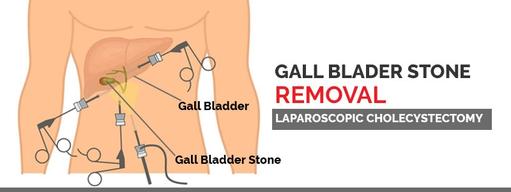
Gall Bladder Stone

All You Need To Know About Gallbladder Stones.

Gallstones, or gallbladder stones as they are commonly known as, are not really stones. These are pieces of solid material formed in the gallbladder.

The gallbladder is a pear-shaped, small organ that is located below your liver, on the right of your abdomen. The gallbladder has a digestive fluid known as bile that gets released in the small intestine.

Gallstones can be as small as sand grains or as large as golf balls. People can develop one or multiple gallstones at one point in time. It usually does not have any signs or symptoms to need treatment.

The problem arises when the gallstones block a bile duct, leading to a pain that must be treated without delay.

Read here : Types of Gallbladder Stones, The Causes of Gallbladder Stones, The Symptoms of Gallbladder Stones, The Ways to Prevent Gallbladder Stones :


view in full page
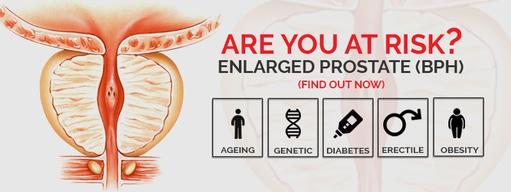
The Risk Factors For BPH / Enlarged-Prostate

What Are The Risk Factors For BPH / Enlarged-Prostate?

The Prostate is a muscular gland present in the male reproductive system. The prostate surrounds the urethra and is responsible for making most of the fluid in the semen.

Its muscular action helps in propelling the fluid and semen through the penis during sexual climax. However, most of the men after a particular age suffer from enlarged prostate or benign prostatic hyperplasia.

It is a condition where the prostate gland enlarges. This occurs when the prostate gland’s cells begin to multiply.

The additional cells cause to swell and squeeze the urethra. In addition to this, the cells also limit the flow of the urine. While BPH doesn’t increase the risk of cancer, many men might suffer from symptoms affecting the quality of life.

How Can BPH or Enlarged-Prostate affect One’s Body?

Most Common Risk Factors for Benign Prostatic Hyperplasia (BPH) or Enlarged-Prostate


view in full page