

Dashboard
- All
-
Following
You must log in
before getting
tailored content. -
Interests
You must log in
before getting
tailored content. - Most liked
- Most viewed
E-Commentary
Sponsored

 7 years, 2 months ago


 Facebook
 Twitter
 Google+
 LinkedIn

Locus Dental Care
Dentist in Ashok NagarLocus dental care is one of the best dental clinics in Ashok Nagar, Chennai. We are providing excellent dental solutions at affordable cost.
view this profile

Directory:
Tags:

|
|


|
Directory:
Tags:
|
|

|
Directory:
Tags:
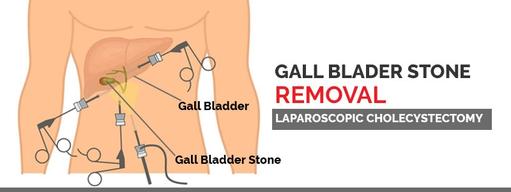
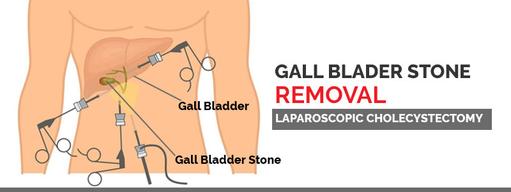
All You Need To Know About Gallbladder Stones.
Gallstones, or gallbladder stones as they are commonly known as, are not really stones. These are pieces of solid material formed in the gallbladder.
The gallbladder is a pear-shaped, small organ that is located below your liver, on the right of your abdomen. The gallbladder has a digestive fluid known as bile that gets released in the small intestine.
Gallstones can be as small as sand grains or as large as golf balls. People can develop one or multiple gallstones at one point in time. It usually does not have any signs or symptoms to need treatment.
The problem arises when the gallstones block a bile duct, leading to a pain that must be treated without delay.
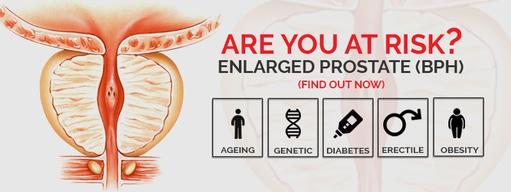
What Are The Risk Factors For BPH / Enlarged-Prostate?
The Prostate is a muscular gland present in the male reproductive system. The prostate surrounds the urethra and is responsible for making most of the fluid in the semen.
Its muscular action helps in propelling the fluid and semen through the penis during sexual climax. However, most of the men after a particular age suffer from enlarged prostate or benign prostatic hyperplasia.
It is a condition where the prostate gland enlarges. This occurs when the prostate gland’s cells begin to multiply.
The additional cells cause to swell and squeeze the urethra. In addition to this, the cells also limit the flow of the urine. While BPH doesn’t increase the risk of cancer, many men might suffer from symptoms affecting the quality of life.
How Can BPH or Enlarged-Prostate affect One’s Body?
Most Common Risk Factors for Benign Prostatic Hyperplasia (BPH) or Enlarged-Prostate
Although research is still going on regarding the causes behind the formation of gallbladder stones, they seem to form when the cholesterol has too much bilirubin, cholesterol, lack of bile salts, or the gallbladder is not functioning properly. Some people are more likely to be affected by the gallbladder stones compared to other due to their age, certain diseases, obesity, and wrong diets.
Researchers believe that gallstones occur when the bile is heavily saturated with cholesterol. When the cholesterol is more than what can be dissolved by the bile, then the cholesterol crystallizes and turns into stones.Liver cirrhosis, biliary tract infection, and genetic blood disorders can also lead to gallstones. There are several risk factors that increase your probability of getting gallbladder stones and those have been discussed below.
• Genetics
Your chances of developing gallstones are greater if you have a family history of it. Many studies have shown that genetics only make up for about twenty-five percent of the total risk for getting gallbladder stones, but nevertheless, the risk factor still exists. The Native Americans have a genetic disposition of secreting high levels of cholesterol in the bile. Thus, they have a greater probability of getting gallbladder stones.
• Obesity
A crucial risk factor for gallbladder stones is obesity. Research has shown that the women who have high BMI are three times more likely to develop gallbladder stones compared to women with healthy BMI. It is still unclear what makes obesity a high risk factor for gallstones. Research suggests that obese people have too much production of cholesterol in the liver. This excess cholesterol leads to saturation in your gallbladder.
• Rapid weight loss
People who lose significant amounts of weight rapidly have a greater risk of gallbladder stones. In fact, gallbladder stones are the foremost medical complication arising out of intentional weight loss. In fact, gallbladder stones are also commonly seen in patients who lose weight rapidly after gastric bypass surgery. In such cases, the stones occur within the initial months of the surgery.
• Wrong diet
Dieting can lead to a shift in the balance of cholesterol and bile salts in your gallbladder. The quantity of bile salts decrease whereas the level of cholesterol increases. Dieters have the common habit of going for long periods without eating and that can decrease contractions of the gallbladder. Gallstones form when the gallbladder does not contract enough for emptying the bile. You should aim for gradual weight loss to avoid the complications arising from gallbladder stones.
Other risk factors for gallbladder stones
Gallstones involve several other risk factors like:
• Age forty or over
• Women are at a greater risk
• Ethnicity (Mexican American and Native American)
• Medication for lowering cholesterol
• High levels of triglyceride and estrogen
• Low levels of HDL cholesterol
• Crohn's disease
• Diabetes
• Liver disease
• Infection of Bile duct
• Anemia
• Cirrhosis
When gallbladder stones become an emergency
Gallbladder stones can turn into serious complications. Some of the symptoms that you must discuss with the gall bladder stone doctor right away include painful attacks accompanied by chills, sweating, fever, clay-colored stool, or jaundice. If severe abdominal pain comes with diarrhea or vomiting, you must get medical attention right away.
About the RG Hospital
RG Stone Hospital, the best urology hospital in India believes in delivering world-class healthcare facilities and services through 15 Super Specialty Urology Centers across the country. We have carved a strong presence in the healthcare domain in India by our state-of-the-art facilities, a team of expert doctors including urologists, nephrologists, gynaecologists, kidney stone specialists and more.

Ravi kant Singh
Kidney Stone Treatment ConsultantRG Stone Hospital, the best urology hospital in India believes in delivering world-class healthcare facilities and services through 15 Super Specialty Urology Centers across the country. We have carved a strong presence in the healthcare domain in India by our state-of-the-art facilities, a team of expert doctors including urologists, nephrologists, gynaecologists, kidney stone specialists and more.
view this profile

Dr. Sish Chakrabarty
Consultant CardiologistDirectory:
Expertise:
Consultant Cardiologist
Heart Specialist Consultancy International, Harley Street, London
Clinical Examiner King's College University Hospital Medical School, London
Director and Consultant Cardiologist, Harley Street London.and Cambridge
CONTACT :
Heart Specialist Consultancy International
12 Harley Street
London W1
Email: schakrabarty@doctors.org.uk
view this profile