

Directory
Sponsored

 13 years, 1 month ago


 Facebook
 Twitter
 Google+
 LinkedIn



|
|
|
|

What is cancer?
Created by: Whitfield GrowdonCancer is a condition where cells in a specific part of the body grow and reproduce uncontrollably. The cancerous cells can invade and destroy surrounding healthy tissue, including organs. Cancer sometimes begins in one part of the body before spreading to other areas. This process is known as metastasis. There are over 200 different types of cancer, each with its own methods of diagnosis and treatment.
What is cancer?
Created by: Whitfield Growdon
What causes cancer?
Created by: Whitfield Growdon
Rohini Sharma
Clinical Senior Lecturer, Imperial College LondonDirectory:
Expertise:
Dr Rohini Sharma is dual accredited in both medical oncology and clinical pharmacology and is a consultant based at the Hammersmith Hospital.
She completed her medical training at the University of Adelaide, and undertook her specialist oncology training at the Royal Prince Alfred Hospital, Sydney and her clinical pharmacology training at Westmead Hospital, Sydney.
Rohini was awarded an NHMRC PhD Fellowship at the Westmead Millennium Institute, University of Sydney. She was awarded a HEFCE Clinical Senior Lecturer position in May 2010. Rohini's clinical interests are in gastrointestinal malignancies and early phase clinical trials. Her research interests are in PET imaging within the Comprehensive Cancer Imaging Center .
view this profile

Women are important. Educate them and some of the world’s biggest health challenges will improve. That’s the thesis of Sir Michael Marmot, Research Professor of Epidemiology and Public Health, University College, London and chairman of the WHO Commission on Social Determinants of Health.
One of the most significant health inequities of the 21stCentury is maternal mortality. In developing countries women are still dying in childbirth at an alarming rate. Educational charities, such as Reach to Teach, help to address this challenge by educating young people in poorly resourced rural areas. Over the past decade, Reach to Teach www.reach-to-teach.org has established over 100 teaching centres in rural India and educated over 5,000 children. According to its founder Sanjeev Gandhi, “inadequate access to education impacts significantly on women’s health. India has one of the highest rates of maternal mortality. The overwhelming majority of women who have completed secondary education insist on being attended by skilled health workers during childbirth.”
Improving maternal health is one of the eight Millennium Development Goals (MDGs) adopted by the international community in 2000. Under MDG5, countries are committed to reducing maternal mortality by three quarters between 1990 and 2015. Since 1990, traditional methods that rely heavily on western health professionals spending time in developing countries training the trainers have helped maternal deaths worldwide to drop by 47%.
However, 23 of 44 developing countries that are seriously challenged by high rates of maternal mortality are projected to fail the MDG5 and each week thousands of women in poorly resourced settings still die needlessly in pregnancy or childbirth and many more suffer injury, infection or disability from maternal causes.
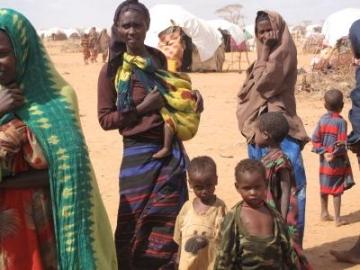
Does this suggest that traditional methods alone are not working? Should we be paying more attention to innovative solutions such as those being tried in Kenya?
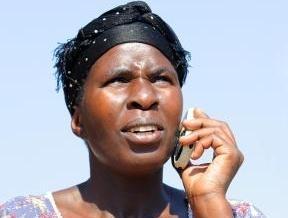
Kenya is using its well established mobile telephone networks to send and receive health information to educate pregnant girls and women. A recent survey showed that some 40% of rural Zambians, “who do not have enough money to buy food”, use mobile telephones at least once a week. This cost-effective and scalable approach to delivering health information may well have significant reach, as mobile telephone penetration in many African countries is relatively high although signals can still be patchy.
Kenyan women are also being remotely monitored during their pregnancy via their mobile phones. They receive regular calls from an automated system, which asks them questions to monitor their health condition in order to check that they do not have antenatal complications. The early success of this mobile screening and triage service is expected to see it expanded to those hard-to-reach patients in rural areas.
If the unmet need for family planning were satisfied by using mobile telephony, thousands of women’s lives would be saved and millions of newborn deaths would be averted. Given the pivotal role that women play in developing countries, each year an estimated US$15.5 billion is lost in potential productivity when mothers and newborns die. The Zambian government has been working tirelessly using traditional methods to reduce its high maternal mortality rate. With a population of some 13.8 million and over 8.2 million mobile telephone subscribers perhaps Zambia and indeed other countries struggling to meet their MDG’s on maternal mortality should look to Kenya.

Anestis Iossifidis
Consultant Orthopaedic Surgeon , Shoulder & Upper Limb SurgeonDirectory:
Expertise:
Dr Iossifidis was educated at the University of Montpellier in France. His postgraduate surgical training took place in Norwich and Cambridge. He then joined the Guy’s and St Thomas’ hospital higher surgical training rotation. As a Senior registrar he developed an interest in shoulder surgery and completed a Shoulder fellowship in London and New York.
view this profile

Mohammed Hankir
Lead ScientistDirectory:
Expertise:
I studied basic neuroscience at Leeds and UCL before undertaking a PhD at Imperial College.
During my doctoral studies, I developed an interest in studying the central regulation of energy and glucose homeostasis using in vivo imaging techniques such as magnetic resonance imaging (MRI) and positron emission tomography (PET).
I subsequently held brief post-doctoral positions at the University of Oxford and MRC London Institute of Science before a lengthier stay at the BMBF- and DFG-funded obesity research centres in Leipzig University, Germany.
I am currently Lead Scientist at the Department of Experimental Surgery situated at the University of Wuerzburg where I am working on the mechanisms of weight loss after gastric bypass surgery using animal models.
view this profile

John Green is a leading internationally recognised oncologist specializing in gynaecologic and ovarian cancers.