Dashboard

E-Commentary


Sponsored
 

Diabetes wars

  • Failing diabetes services are waisting money
  • Too many people with diabetes develop avoidable complications
  • No one is held accountable for poor diabetes service performance
  • The NHS payment systems do not effectively incentivise the delivery of recommended standards of diabetes care
  • Appropriate incentives for diabetes services could improve diabetes outcomes and save the HNS £170m per year


National Audit Office v. NHS

A war is being waged between the NHS and the UK’s National Audit Office (NAO) over the state of adult diabetes services in the UK. Two NAO reviews found that doctors are failing to meet nationally agreed standards of diabetes care, and that they are neither effectively incentivised to deliver and sustain quality services nor accountable for poor service. 

The NHS says it is committed to supporting doctors to deliver high-quality care to people with and at risk of diabetes, but the NAO is not convinced.  It recommends that monies for diabetes services and doctors’ remuneration should be linked more directly to desired patient outcomes in order to promote and sustain accountability, responsibility, learning and the strengthening of local capacity. 


Adult or type 2 diabetes (T2DM) is an avoidable chronic condition, which occurs when the body does not produce enough insulin to function properly, or the body’s cells do not react to insulin. This means that glucose stays in the blood, and is not used as fuel for energy. There are currently 3.9 million people living with diabetes in the UK, with 90% of those affected having T2DM. Diabetes is a cause of serious long-term health problems, which include blindness, kidney failure, lower limb amputation, and cardiovascular disease, such as a stroke. Roni Sharvana Saha, Consultant in Acute Medicine, Diabetes and Endocrinology at St Georges University Hospital, London describes why weight control is important for the management of T2DM.

         
            (click on the image to play the video) 


Local responsibility for adult diabetes services 

In England the responsibility for diabetes services and support rests with local Clinical Commissioning Groups (CCGs) and GPs. In 2003 the UK government gave primary care trusts the responsibility for commissioning local services on behalf of their local populations, and freedom to decide how to best deliver diabetes services. It is for GP practices to ensure that people with diabetes receive all the nine recommended care processes each year in accordance with agreed clinical guidance (see below). In 2004 the Quality and Outcomes Framework (QOF) was introduced as part of the new GP contract, which includes payments for undertaking specified clinical activities and achieving set clinical indicators.


The nine basic processes of diabetes care are: (i) blood glucose level measurement (HbA1c), (ii) blood pressure measurement, (iii) cholesterol level measurement, (iv) retinal screening, (v) foot and leg check, (vi) kidney function testing (urine),  (vii) kidney function testing (blood), (viii) weight check, (ix) smoking status check.


Failing incentives

QOF awards for GPs initially improved diabetes outcomes in primary care. However, recently there has been little improvement, and according to the NAO the current payment system for GPs is not driving the required patient outcomes. GPs are paid for each individual diabetes test they carry out rather than being rewarded for ensuring that all nine tests are delivered. Similarly, the Payment by Results tariff system for English hospitals does not incentivize the multi-disciplinary care required to treat a complex long-term condition such as diabetes. According to the NAO the NHS needs to review and enhance its payment systems to ensure that they effectively incentivise good care and better outcomes for people with diabetes.
 

National Audit Office’s First Review (2012)

In May 2012 the NAO’s first review of adult diabetes services in England found that the NHS was not delivering value for money, and that it was underestimating its annual spend on diabetes services by some £2.6 billion. “There is poor performance in expected levels of diabetes care, low achievement of treatment standards, and 24,000 people die each year from avoidable causes relating to diabetes”, said the report.

The NAO findings included the following:

    1. "Fewer than one in five people with diabetes in England are being treated to recommended standards, which reduce their risk of diabetes-related complications
    2. Many people with diabetes develop avoidable complications
    3. NHS accountability structures fail to hold commissioners of diabetes service providers to account for poor performance
    4. No one is held accountable for poor performance, despite the fact that performance data exist
    5. The NHS is not effectively incentivising the delivery of all aspects of recommended standards of care through the payments systems
    6. There is a lack of clarity about the most effective way to deliver diabetes services
    7. Payment mechanisms available to GPs are failing to ensure sustained improvements in outcomes for people with diabetes
    8. The NHS does not clearly understand the costs of diabetes
    9. Effective management of diabetes-related complications could save the NHS £170 million a year"


The NAO Recommendation

The NAO recommended that the system of incentives for doctors be renegotiated to improve outcomes for people with diabetes in accordance with agreed clinical practice. GPs should only be paid for diabetes care if they ensure all nine care processes are delivered to people with diabetes. Also the NAO recommended that the thresholds at which GPs are remunerated for achieving treatment standards should be reviewed regularly.
 

Public Accounts Committee Chair: “Depressing report”

Margaret Hodge, chair of The House of Commons Committee on Public Accounts, which took oral and written evidence on the NAO Report, said, “This was one of the most depressing Reports I’ve read. Everybody understands the enormity of the problem; nobody is arguing with the figures; everybody accepts both the nature of the checks, and the treatments to prevent complications that should be done; money or lack of it has not been an issue; there appears to be a structure within the Department of Health with a tsar and a group of people whose job it is—and yet we are failing.”
 

Public Accounts Committee’s Conclusion: Higher costs, poorer services

The conclusions of Public Accounts Committee echoed its chair’s opening remarks, “Although there is consensus about what needs to be done for people with diabetes, progress in delivering the recommended standards of care and in achieving treatment targets has been depressingly poor. There is no strong national leadership, no effective accountability arrangements for commissioners, and no appropriate performance incentives for providers. We have seen no evidence that the Department of Health will ensure that these issues are addressed effectively . . . . Failure by it to do so will lead to higher costs to the NHS as well as less than adequate support for people with diabetes.
 

Action for Diabetes: the NHS’s Defence (2014)

In January 2014 the NHS defended its services in Action for Diabetes, a report prepared by its Medical Directorate, which sets out the activities NHS England is undertaking as a direct commissioner of GP and other primary care services, and as a support to secondary and community care commissioners to improve outcomes for people with and at risk of diabetes. The report stated that between 1996 and 2002 there was a, “marked reduction in excess mortality in those with diabetes”, and the UK’s diabetes-related mortality rates were better than 19 other developed economies. 

Action for Diabetes reaffirmed that the NHS was committed to supporting CCGs to deliver high-quality care to people with and at risk of diabetes, and will:

      • “Provide tools and resources to support commissioners in driving quality improvement
      • Ensure robust and transparent outcomes information, and align levers and incentives to facilitate delivery of integrated care across provider institutional boundaries
      • Empower patients with information to support their choices about their own health and care, and support the development of IT solutions that allow sharing of information between providers and between providers and people with diabetes
      • Look to the future of the NHS to deliver continued improved outcomes for people with or at risk of diabetes.”
 

In a foreword to Action for Diabetes Professor Jonathan Valabhji, the UK government’s National Clinical Director for Obesity and Diabetes, said the NHS needs, “new thinking about how to provide integrated (diabetes) services in the future in order to give individuals the care and support they require in the most efficient and appropriate care settings, across primary, community, secondary, mental health and social care, and in a safe timescale”.
 

National Audit Office’s Second Review (2015) 

In October 2015, the NAO published a follow-up review of NHS adult diabetes services, and criticised (I) the still low rates of the delivery of basic diabetes care processes, and (ii) the low rates of attainment of diabetes treatment goals. The NAO pointed to the escalation of avoidable complications, such as amputation, blindness, kidney failure and stroke that consume about 70% of the annual treatment costs of the NHS on diabetes.  The report commented:  “The improvements in the delivery of key care processes have stalled, . . . and this is likely to be reflected in a halt to outcomes improvement for diabetes patients . . . There are still 22,000 people estimated to be dying each year from diabetes-related causes that could potentially be avoidable”.


Ineffective payment systems

The NAO’s 2015 report criticized the way that the NHS distributes money, and sets local incentives for improving the delivery diabetes services. Economists have long argued that bureaucrats distributing monies with loose conditions is not an effective way to achieve transformative change. According to the NAO, “Current financial incentives, funding mechanisms and organisational structures of health services do not support the delivery of integrated diabetes care”. The NAO recommends that the NHS should, “Ensure that its payment systems effectively incentivise good care and better outcomes for people with diabetes”. 


Comment: Reasons for failure

According to market economists aid is at best wasteful, and at worst creates a damaging culture of dependency. Also, aid is often subject to vested interests, and fails to change people’s behaviors and improve wellbeing.
 
Institutions responsible for delivering diabetes services in England have not learned these lessons, and as a consequence poorly incentivized diabetes service providers fail to propel people living with diabetes towards self-management, and fail to slow the onset of devastating and costly complications. 
 

Effective incentives are key for improving diabetes outcomes

This Commentary has suggested that without appropriate incentives diabetes service providers have become chronically dependent on their paymasters, which has stifled innovation, made service providers less focused on patient outcomes, and less likely to innovate and prioritize the generation of other resources. Current incentives for diabetes service providers should be renegotiated.
 
A previous Commentary suggested that effective patient outcomes occur when people and communities are engaged and assume greater responsibility for their own wellbeing. Tried and tested behavioral techniques successfully used by the Cameron and Obama administrations need to be embedded in a range of diabetes services to create offerings that people want and that actually lower the risk of T2DM, propel those living with the condition into self-management, and slow the onset of devastating and costly complications; see Behavioral Science provides the key to reducing diabetes.
 
A related issue, which needs to be addressed to improve patient outcomes further, is the need to reduce the power of the bureaucracies that control the provision of diabetes services and to increase competition among diabetes service providers. Current bureaucratic diabetes service providers present a significant barrier for new entrants, and thereby discourage investments in innovations and new technologies. This will be the subject of a future Commentary.

 
view in full page
 
  • Detecting pancreatic cancer early is a significant advance
  • 80% of people with pancreatic cancer are diagnosed late
  • Only 3% of pancreatic cancer patients survive 5 years after diagnosis
  • 12% of pancreatic cancer is associated with obesity
  • MD Anderson blood test is 100% accurate at detecting pancreatic cancer
  • Urine test 90% accurate at detecting pancreatic cancer
  • Both tests could be in the clinic in a few years


Liquid biopsies are poised to detect pancreatic cancer early, which is a significant advance.

This is important because the clinical symptoms arise late in people with this cancer. Eighty per cent of people with the disease are diagnosed when it has already spread, so they are not eligible for surgery to remove the tumour, which currently is the only potential cure. Only about 3% of patients diagnosed with pancreatic cancer survive five years after diagnosis.


The pancreas is an organ that sits close behind the stomach, and has two main functions: (i) producing digestive enzymes, which break down food so that it can be absorbed, and (ii) producing insulin, which regulates blood sugar levels. Pancreatic cancer occurs when cells are produced in the pancreas in an uncontrolled fashion. This can lead to a number of health risks. Almost half of all new cases of cancer of the pancreas are diagnosed in people aged 75 and over, and is uncommon in people under 40. This year, an estimated 48,960 adults in the US and some 9,000 in the UK will be diagnosed with pancreatic cancer. It is estimated that 40,560 US deaths, and about 9,000 deaths in the UK from this disease also will occur this year. Those at higher risk include people with a family history of the cancer, heavy smokers, and obese people. There is some suggestion that pancreatic cancer is a risk for people over 50 who are newly diagnosed with diabetes.


Pancreatic cancer and diabetes

Type-2 diabetes is considered to be associated with pancreatic cancer, but it is not altogether clear whether diabetes is a risk factor or a symptom. Two studies published in 2011; one in the British Journal of Cancer, and the other in the Annals of Oncology confirm the hypothesis that, “increased BMI and abdominal obesity are associated with increased pancreatic cancer risk.” One of the studies estimates that about 12% of all pancreatic cancers in the UK are attributable to overweight and obesity. Fatty tissue in overweight people produces more hormones and growth factors than those in people of a healthy weight. High levels of some of these hormones, including insulin, which is produced in the pancreas, can increase the risk of pancreatic cancer.

Dr Roni Sharvanu Saha, a consultant in acute medicine, diabetes and endocrinology at St George's Hospital, London, opines on the possible relationship between diabetes treatment and pancreatic cancer, and says that, “the jury is out” about the link. 


Blood test for pancreatic cancer 

Pancreatic cancer is devastating, it usually shows no signs or symptoms, and presents late. Being able to detect the disease early is considered life enhancing for patients. Scientists from the University of Texas MD Anderson Cancer Center believe they are close to developing a blood test to detect pancreatic cancer, which they describe as "a major advance". Early results, published in 2015 in the journal Nature, showed the test was 100% accurate. Experts said the findings were striking and ingenious, but required refinement before they could be used in the clinic.
 

Major advance

A wall of fat marks the boundary of every cell in the human body. The MD Anderson test hunts for tiny spheres of fat, called exosomes, which are shed by the cancers. Scientists looked for unique signatures of cancer in these fatty exosomes, and noticed that a protein called proteoglycan glypican-1 was found in much higher levels in people with pancreatic cancer. Further blood tests on 270 people showed it was 100% accurate at distinguishing between cancers, other pancreatic disorders and healthy tissue.

The need for such a test is huge. According to Dr Raghu Kalluri, one of the MD Anderson researchers, the test is, "not too far" from the clinic. "We think the ability to identify and isolate cancer exosomes is a major advance and provides the possibility of immensely benefiting our patients," says Kalluri.
 

Urine test for pancreatic cancer

Scientists from Barts Cancer Institute, Queen Mary College, London, have developed a simple urine test to detect pancreatic cancer. The UK-Spanish study, published in Clinical Cancer Research in 2015, showed that out of 1,500 proteins found in the urine samples of 500 people, three were seen to be at much higher levels in the pancreatic cancer patients. This provided a "protein signature" that could identify the most common form of the disease, and distinguish between this cancer and the inflammatory condition chronic pancreatitis, which can be hard to tell apart. The signature was found to be 90% accurate. More research is now planned, and scientists will focus particularly on people whose genes put them at particular risk of pancreatic cancer.
 

Advantages of urine over blood 

Lead researcher, Dr Tatjana Crnogorac-Jurcevic, said: "We've always been keen to develop a diagnostic test in urine as it has several advantages over using blood. It's an inert and far less complex fluid than blood, and can be repeatedly and non-invasively tested.  We're hopeful that a simple, inexpensive test can be developed, and be in clinical use within the next few years."

"For a cancer with no early stage symptoms, it's a huge challenge to diagnose pancreatic cancer sooner, but if we can, then we can make a big difference to survival rates," says co-author and Director of Barts Cancer Institute, Professor Nick Lemoine.
 

Takeaways

Although there is a significant amount of work still to do before these tests appear in clinics, the levels of accuracy reported by the researchers are striking, and suggest that, in principle, a liquid biopsy has been found for this devastating cancer, which is good news for patients suspected of having the disease.

 
view in full page


Is patient engagement the new blockbuster drug? 

  • Patient engagement improves outcomes
  • The future is not a continuation of population based medicine
  • Personalized medicine requires effective patient engagement
  • Doctors are the main obstacle to enhanced patient engagement


If patient engagement were a drug, it would be front-page news, and malpractice for doctors not to use it. A significant and growing body of opinion believes that an effective way to scale care, and enhance outcomes is to develop patient engagement, but this requires a cultural and behavioral change on the part of doctors, which is not happening fast enough.
 

Low patient engagement means poor outcomes 

Each year payers spend billions on treating avoidable chronic lifetime diseases, yet the incidence of such diseases continue to escalate inflicting devastating personal, and social hardships on people and communities. Some wealthy regions of the world, such as the United Arab Emirates, where diabetes is spiraling out of control, have invested in “cathedrals” of diabetes healthcare staffed by experts, but still do not have the costly burden of diabetes under control. See, Diabetes threatens the future stability of the UAE
 

Tackling causes 

In other regions of the world, the treatment costs alone for avoidable chronic lifetime diseases are expected to bankrupt healthcare systems in the near future. The reason for this is simple. Despite eye watering investments in state-of-the-art treatment strategies, and despite some doctors’ initiatives to engage patients, no healthcare system yet has effectively engaged large proportions of patients living with lifetime chronic diseases, and successfully nudged them towards changing their diets and lifestyles, which are the root causes of a substantial proportion of such conditions. 

Dr Seth Rankin Managing Partner of a London based NHS primary care clinic, describes his efforts to engage patients living with diabetes in order to improve outcomes:

       
               (click on the image to play the video) 
 

Behavioral techniques 

Rankin’s endeavors to engage patients benefit from behavioral techniques, which explain how people behave, and encourages them to reduce unhelpful influences on their health, and change the way they think and act about important health related issues such as diets, lifestyles, screenings and medication management. See: Behavioral Science provides the key to reducing diabetes

Our new pathway of care borrows from the behavioral sciences and engages patients living with diabetes. It’s based on very simple technology, which can provide huge reach at low cost. We are keen to extend our pathway to other NHS Clinical Commissioning Groups, and would welcome support from well capitalized diabetes agencies,” says Rankin.
 

Doctors’ support critical

Rankin insists that, “Only when patients are meaningfully engaged in their own health will they continuously learn how to improve care for themselves”. Effective patient engagement enhances the connectivity between doctors and patients, and is a sound foundation for behavioral change. However, for patient engagement to be scalable and effective, it has to be supported by appropriate IT, and patient-generated healthcare information. 
 

Doctors control patient engagement

Patients gather healthcare information from the Internet, and this encourages and supports self-management, and enhanced understanding of prevention and risk. However, the quality of online healthcare information is patchy, and patients have difficulty differentiating between legitimate and bogus information. This is resolved when doctors’ engage with patients to help them with the interpretation. Some doctors welcome this opportunity, while others object. This gives doctors the upper hand. Even if the situation is improved by enhancing patients’ access to premium and reliable medical information, doctors still decide whether such information is introduced into patient care pathways. 
 

Improved healthcare

Objections from doctors suggest that online health information results in longer and fraught doctor-patient relationships, which are a costly waste of time. But this is not necessarily so. Evidence, such as that published in 2008 in Telemedicine and eHealth, suggests the opposite: that patient-generated healthcare information, and effective patient engagement can lead to better understanding of specific conditions and treatment options, enhanced medication management, reduced complications, reduced face-time with doctors, and reduced visits to A&E. Specifically, the 2008 paper’s findings report that online healthcare information resulted in: (i) 19.74% reduction in hospital admissions, (ii) 25.31% reduction in bed days of care, and (iii) 20 to 57% reduction in the onset of complications.
 

Takeaways

Despite evidence to suggest that patient engagement enhances outcomes and reduces costs, it is not happening at a rate and quantum to render it effective. The main obstacle is the attitudes of doctors who fear an erosion of their status. Only a significant cultural and behavioral shift on the part of doctors will change this, and open the door to the many other professional disciplines, such as behavioral economists, software designers, community leaders, data scientists and risk managers, who are well positioned to help healthcare and medicine deliver better outcomes for patients. 

The future of healthcare is not a continuation of population-based medicine with its one-size-fits-all therapies mediated by general practitioners. The future of healthcare is personalized medicine, which recognizes that patients and medicines are complex and adaptive, which require smart and adaptive systems. This includes greater patient engagement.

 
view in full page
 

The end of doctors 

  • A second technology revolution threatens the future of healthcare
  • Healthcare systems that ignore evolving technologies will collapse
  • Most healthcare systems are trapped by three basic failures
  • Doctors are the interpreters and not the processors of medical knowledge
  • Will a computer decide to turn off a life support machine?
  • Who owns the medical information on the Internet?


The role of doctors is about to change more than it has in the past two centuries, as the technology revolution enters a new era. 
 

Radical change 

This is the conclusion of Richard and Daniel Susskind in their book, The Future of Professions, published on 22nd October 2015 by Oxford University Press. They argue that, over the next 20 years, “the second future”, dominated by artificial intelligence (AI) and the Internet, will drive radical changes in healthcare systems, which will involve the transformation of how medical knowledge is made available.

Today, computer systems can delve into vast amounts of patient data, identify trends and make more accurate predictions than doctors. Machines such as IBM’s Watson, which can attain high levels of intelligent behavior is already being used in medicine. In parallel, the Internet provides people with new and effective ways to build communities and share healthcare information. 
 

Never too big to collapse 

Some doctors argue that their activity will never change because it depends on deep expertise, creativity and strong interpersonal skills; none of which can be replaced by computer systems. Earlier, managers of global companies that dominated world markets made similar claims before there enterprises grew obsolete and collapsed.

Twenty years ago, the failure of global companies to meet transformational challenges resulted in 74% of them leaving the Fortune 500 as new technologies and innovations opened the way for agile start-ups and entrepreneurs. The list is long, but here are a few examples. Digital Equipment and Wang Laboratories, once leading computer firms, disappeared completely. Even resurgent giants such as Apple and IBM stared into the abyss of irrelevance, and made painful changes before clawing their way back to the top.


In the 1980s the advent of digital photography, software, file sharing, and third-party apps ended Eastman Kodak’s world market domination, during which time Kodak made breakthrough technologies, which included the Brownie camera in 1900, Kodachrome colour film, the handheld movie camera, and the easy-load Instamatic camera. Motorola, another global giant, that developed and built the world's first mobile phone, and dominated that market until 2003, failed to focus on smartphones that could handle email and other data; and as a consequence, rapidly lost share to newcomers such as Apple, LG, and Samsung.


Dr Devi Shetty, world-renowned heart surgeon, founder, philanthropist, and chairman of Narayana Health, India’s largest hospital group is viewed as the person who will have the biggest influence on 21st healthcare. Here he describes how information technology is set to radically change healthcare:

    
        (click on the image to play the video) 
 

Healthcare systems not immune

The Susskind’s agree with Shetty, and believe that healthcare systems, predicated upon antiquated patient-doctor technologies, face a similar demise to that of large companies that failed to adapt and change. The more successful healthcare systems will be those, that copy large companies who survived by collaborating with smaller, agile firms either as suppliers or partners. Rigid bureaucratic healthcare systems that find it more difficult to innovate will fail.
 

Three reasons for failure 

Failure to address three major challenges accounts for the failure of most healthcare systems. The first is the continued investments in failing antiquated systems, and the consequent failure to pursue fresher, more relevant ones. The second is psychological: healthcare systems and doctors fixate on what made them successful in the past, and fail to notice when something new is replacing it. The third challenge is strategic: healthcare systems that only focus on today, and fail to anticipate the future will fail.

Previous HealthPad Commentaries have illustrated these three failures by the billions spent on failing diabetes education programs over the past decade, while the incidence of the condition escalated. This is because diabetes education and awareness programs fixate on antiquated systems, and fail to embrace, smarter and more effective ones. See: Behavioral Science provides the key to reducing diabetes
 

The concentration of medical expertise

A doctor’s raison d'être is to provide solutions to problems that people do not have sufficient specialist knowledge themselves to solve. Previously doctors were the ‘processors’ of medical knowledge, but with medical information becoming ubiquitous, increasingly doctors are becoming the ‘interpreters’ of medical knowledge. Doctors are gateways to specialist medical information.

In most healthcare systems, doctors are a huge and increasing expense, a large proportion of them use antiquated methods, and the expertise of the best doctors is only enjoyed by a few. This is changing by technological innovators finding ways to make medical expertise more widely available. Also, technology is enabling clinical expertise to be broken down into smaller tasks, which can be better achieved with a machine; telemedicine is just one example.
 

Who owns medical knowledge?

Online healthcare information empowers patients and threatens doctors by providing people with medical knowledge that previously resided in the minds of doctors. Such knowledge, which can help to diagnose illnesses, is free, increasingly common, and controlled by users. An important unresolved question is, who owns this medical knowledge?
  

Takeaways

Doctors exist to provide solutions to medical problems. If technology provides better more reliable solutions, the need for doctors dissolves. However, the most convincing objection for the displacement of doctors is an ethical one. Is it morally wrong to leave the decision to turn off a life support machine to another machine?

The debate is just beginning. 

view in full page
 

Smart insulin and new hope for type-1 diabetes

  • A new smart insulin could improve the lives of people with type-1 diabetes 

  • The smart insulin is easier, faster, and more effective than current therapies

  • The new compound automatically activates in response to rising blood sugar

A new compound, Ins-PBA-F, referred to as ‘smart insulin’, could spare people living with type-1 diabetes the burden of frequently injecting, and constantly monitoring their blood sugar levels.

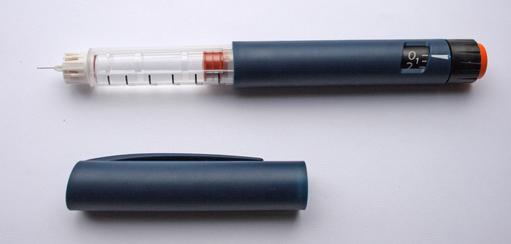
The new compound, developed by scientists from the University of Utah, USA, and reported in a 2015 edition of the Proceedings of the National Academy of Science, automatically activates when your blood sugar level soars, brings it back to normal, and remains in circulation for up to 24 hours. In the future, people with type-1 diabetes could inject the smart insulin once a day, or even less frequently, overcoming the need for constant self-monitoring, and insulin top-ups after meals.


Easier, faster and more effective

Researchers suggest that the speed, and chemical reactions of Ins-PBA-F normalizing blood sugar in diabetic mice is the same as in healthy mice responding to blood sugar changes with their own insulin. Ins-PBA-F could give a faster, more effective response to lowering blood sugar than the current long-acting insulin drug, and could be tested in humans in two to five years.
 

Type-1 diabetes

According to the WHO, in 2014, 9% of all adults have diabetes, and an estimated 10% of these have type-1 diabetes, a significant proportion of which are children. Type-1 diabetes is an autoimmune disease in which the body kills off all its pancreatic beta cells, which produce insulin that regulates blood sugar. Without beta cells, the body’s sugar levels fluctuate wildly. Dr Sufyan Hussain, Senior Lecturer in Diabetes, Endocrinology and Metabolism at Imperial College, London, describes type-1 diabetes:


Unrelenting regimen

While insulin injections or infusion allow a person with type-1 diabetes to stay alive, and lead a full and active life, they neither cure the disease, nor necessarily prevent the possibility of the disease’s serious effects, which may include: kidney failure, blindness, nerve damage, heart attack, stroke and pregnancy complications. Traditional insulin therapies are a constant management challenge. Patients must carefully balance insulin doses with eating and other activities multiple times a day and night. Hussain describes the genesis, and benefits of insulin therapy:


Advantages of ‘smart insulin’

Without insulin, the body has no mechanism for moving sugar out of the blood and into cells, where it is used for energy. People with type-1 diabetes are completely dependent on their daily insulin injections for their survival, and have to check their blood-glucose level by pricking their fingers several times a day to assess how much insulin to inject. Any lapse or miscalculation in this unrelenting regimen can run the risk of dangerous high and low blood-glucose levels; both of which can be life threatening.

“In theory, with Ins-PBA-F there would be none of these glucose problems,” said co-author Dr Danny Chou, “A smart insulin drug that automatically activates in response to rising blood sugar would get rid of the need for top-up injections of insulin, and eliminate the danger of incorrect dosing”.


Takeaways

Ins-PBA-F closely mimics the way bodies return their blood sugar levels to normal after eating. According to Chou, “This is an important advance in insulin therapy. Diabetic patients still need to guess to some extent how much insulin they need. With Ins-PBA-F you would just inject it, and it wouldn’t matter if you overshot because its activity would stop when glucose levels get too low. Our smart insulin derivative appears to control blood sugar better than anything that is available to diabetes patients right now.”

 
view in full page
 
  • Promising animal study suggests a vaccine for type-1 diabetes
  • Harvard’s Dana Faber Cancer Institute endorses the study
  • Lab spent years detailing the molecular immune system's response to insulin
  • The therapy for type-1 diabetes is insulin, but there’s no cure
  • Living with type-1 diabetes is a constant challenge
  

A molecule that prevents type-1 diabetes in mice has provoked an immune response in human cells, according to scientists from the National Jewish Health and the University of Colorado. The findings, published in the 2015 Proceedings of the National Academy of Sciences, suggest that a mutated insulin fragment could be used to prevent type-1 diabetes in humans.
 

Strategies that work in mice often fail in humans 

Previously, researchers tried administering insulin to people at risk of the disease as a form of immunotherapy similar to allergy injections, but this didn’t provoke an effective response. John Kappler, Professor of Biomedical Research at National Jewish Health says, "Our findings provide an important proof of concept in humans for a promising vaccination strategy." In 2011, researchers from Harvard University’s Dana Farber Cancer Institute reported that Kappler’s strategy prevented type-1 diabetes in mice. However, strategies that work in mice often fail in humans.
 

Promising findings

Kappler’s findings suggest that an insulin fragment with a change to a single amino acid could provoke an immune response. The idea comes from work in Kappler's laboratory detailing the molecular immune system's response to insulin. This suggests that mutating one amino acid in an insulin fragment, and then presenting the insulin to the immune system, might provoke better recognition by the immune system.

Researchers mixed a naturally occurring insulin fragment, and the mutated insulin fragment with separate cultures of human cells. They found that human T-cells responded minimally to the naturally occurring insulin fragment, but relatively strongly to the mutated one. The human T-cells produce both pro-inflammatory and anti-inflammatory chemicals known as cytokines, and scientists believe that healthy immune responses balance pro- and anti-inflammatory factors. Autoimmune disease occurs when the pro-inflammatory response dominates.
                           

Type-1 diabetes

Type-1 diabetes is an autoimmune disease in which a person’s pancreas stops producing insulin, a hormone that enables individuals to get energy from food. It occurs when the body’s immune system attacks and destroys the insulin producing cells in the pancreas, called beta cells. The causes of type-1 diabetes are not fully understood, but scientists believe that both genetic and environmental factors are involved. Dr Sufyan Hussain of Imperial College, London explains:


      (click on the image to play the video) 

Type-1 diabetes most typically presents in early age with a peak around the time of puberty. Historically the condition has been most prevalent in populations of European origin, but is becoming more frequent in other ethnic groups. Kuwait, for example, now has an incidence of 22.3/100,000. India and China have relatively low incidence rates, but account for a high proportion of the world’s children with type-1 diabetes because of their large populations. 
 

Living with type1 diabetes

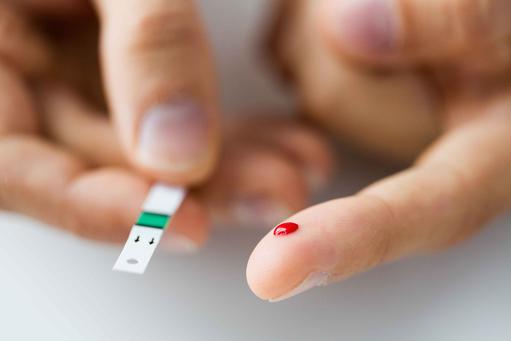
Living with type-1 diabetes is a constant challenge. People with the condition must carefully balance insulin doses (either by multiple injections every day or continuous infusion through a pump) with eating and other activities throughout the day. They must also measure their blood-glucose levels by pricking their fingers for blood six or more times a day. Despite this constant attention, people with type-1 diabetes run the risk of high or low blood-glucose levels, both of which can be life threatening. People with type-1 diabetes overcome these challenges on a daily basis. While insulin injections or infusions allow a person with the condition to stay alive, they don’t cure the disease, nor do they necessarily prevent the possibility of the disease’s complications, which may include kidney failure, blindness, nerve damage, heart attack, stroke, and pregnancy complications. Richard Lane, President of Diabetes UK, and a person living with type-1 diabetes, describes some of the lifestyle changes associated with the condition:


        (click on the image to play the video)
 

Takeaways

While Kappler’s results don’t prove that the mutated insulin fragment will work as a vaccine in humans, they do demonstrate a response in humans consistent with the vaccination response in mice. "The new findings confirm that the painstaking work we have done to understand the unconventional interaction of insulin and the immune system has relevance in humans and could lead to a vaccine and a treatment for diabetes," says Kappler. 

 
view in full page


  • The scientific framework for understanding cancer has gone full circle
  • Cancer research is back where it began 60 years ago
  • Cancer mutations outsmart the smartest scientists
  • Challenges for cancer treatment go beyond biological complexity 
 

After sixty years of cancer research we’re back where we started. That’s according to MIT cancer scientist Professor Robert Weinberg, known for his discoveries of the first human oncogene (a gene that causes normal cells to form tumors), and the first tumor suppressor gene.

Writing in the journal Cell in 2014, Weinberg argues that, in the 1950s scientists viewed cancer as, “An extremely complicated process that needed to be described in thousands of different ways.” Then, scientists believed viruses caused cancer, which was proved wrong. In the 1980s cancer scientists developed the notion that the disease was caused by mutant genes. “This gave . . . the illusion . . . that we would be able to understand the laws of cancer formation the way we understand, with some simplicity, the laws of physics," says Weinberg. This was not the case. Over the past decade, scientists have returned to where they started in the 1950s, and view cancer as an extremely complex disease, “We are once again caught in this quandary: how can we understand this complexity in terms of a small number of underlying basic principles?", asks Weinberg.


Each cancer is unique

Victor Velculescu, Professor of Oncology at Johns Hopkins University, and internationally known for his discoveries in cancer genomics, stresses the uniqueness of cancer. “Between everybody that has cancer today, to everybody that's probably ever had cancer since the beginning of humankind, [each person] has had different molecular alterations in this disease,” he says. Adding to cancers complexity is the fact that the disease mutates over time, which means that people become resistant to specific drugs, and clinicians are obliged to search for other treatments. Professor Axel Walther, Consultant Medical Oncologists and Director for Research in Oncology at University Hospitals, Bristol describes the challenges of drug resistance for cancer patients:


Pathways

A significant advance in cancer treatment is the notion that random “errors” in our genes, which cause cancer could be simplified into specific pathways, which are the “rail tracks” within cells along which chemicals flow that keep cells alive and functioning. Genes are “stations” along these pathways. There are thousands of pathways, some known and others, unknown, and their breakdown causes cancer. Discovering these pathways provides an opportunity to block the progress of cancer, with appropriate drugs.

Professor William Nelson, a recognized leader in cancer research, and Director of the Sidney Kimmel Comprehensive Cancer Center at Johns Hopkins, says, the complexity of cancer means that, “Only rarely can a single drug block a single pathway.” Most cancers require a combination of drugs. Walther describes the challenges that the complexity of cancer pose for personalised medicine:


Cost factor

Challenges in cancer treatment go far beyond biological complexity. Increasingly, the cost of drugs is an important factor. Dr. Richard Pazdur, the FDA’s Cancer Czar, questions how much longer the FDA can remain blind to drug prices, and the growing debate over how to place an appropriate value on cancer drugs, which can cost US$100,000 or more a year. Earlier this year NHS England withdrew funding for 25 cancer drugs because the costs were too high.
 

Takeaways

Weinberg is not defeated by the notion that the scientific framework for understanding cancer has come full circle. Over the past 60 years of cancer research, many ideas have flowed from laboratories, and led to incremental advances in treating cancer, and this will continue.


view in full page
 

The importance of measuring the impact of diabetes care

  • Bill Gates says that measurement is key to reducing disease
  • Type-2 diabetes is the fastest growing health threat of our time, it is preventable, but not properly measured
  • Expensive diabetes programs fail to dent the burden of the disease
  • Taxpayers have a right to know the annual impact of diabetes care and education on the incidence, outcomes and costs of the disease
  • Healthcare agencies must agree and report clear goals that drive progress

Bill Gates is right. Measurement is central to the success of reducing the global incidence of diseases. Can we learn something from Bill Gates to help reverse the epidemic of type-2 diabetes: a preventable disease, which is spiralling out of control, and set to bankrupt healthcare systems?

Dr Syed Sufyan Hussain, Darzi Fellow in Clinical Leadership, Specialist Registrar and Clinical Lecturer in Diabetes, Endocrinology and Metabolism, at Imperial College London, describes the challenge:

      
             (click on the image to play the video) 
 

The UK

Similar to other developed nations, diabetes in the UK is the largest and fastest growing health challenge of our time. Since 1996, the number of people living with diabetes in the UK has more than doubled: 3.9 million people now have diabetes, another 9.6 million are at high risk of getting type-2 diabetes, and every year, that number is rising dramatically. If nothing changes, in 10 years time more than four million people in England will have diabetes. This suggests that current diabetes care programmes and education are failing.

Diabetes is expensive, and current annual treatment costs alone are about £10bn - some 10% of the annual NHS budget - and 80% of this is spent on managing avoidable complications. For example, diabetes is the most common cause of lower limb amputations, and over 6,000 happen each year in England alone. The result is frequently devastating in terms of social functioning and mood, and poses a considerable cost to healthcare providers, while the financial burden on patients and their families can be enormous.

The total annual costs of diabetes, which includes both direct and indirect costs, such as the loss of earnings because of illness, are difficult to measure, but are estimated to be about £24bn per year. If nothing changes, these costs are projected to rise to nearly £40bn in 20 years. This further suggests that current diabetes care programmes and education are failing. 
 

Doing more of the same 

In its 2015 State of the Nation Report, Diabetes UK (DUK), a large and influential charity, urged the UK Government and NHS England to do more in order to ensure that people with diabetes get the support and education they need to manage their condition. However, if the UK government and NHS England do more of the same, nothing will change, and diabetes will continue to escalate, destroying lives and costing billions. Let us go back to Bill Gates.
 

Measures to drive progress

I’ve been struck again and again by how important measurement is to improving the human condition. You can achieve amazing progress if you set a clear goal and find a measure that will drive progress toward that goal . . . . This may seem pretty basic, but it’s amazing to me how often it is not done,” says Gates.

The UK government, NHS England, Public Health England and DUK do not share an agreed set of indicators, which measure and report on the impact of diabetes care and education. Given that each year billions are spent on diabetes, these agencies should be obliged to report annually on the impact that their diabetes care and education programs have on the prevalence, outcomes and costs of diabetes. Let us return to Bill Gates, and his efforts to reduce the global burden of HIV.
 

Bill Gates 

The 2013 annual report of the Melinda and Bill Gates Foundation stresses that it, “Enhances, the impact of every dollar invested by improving the efficiency and effectiveness of our HIV program, [which] supports efforts to reduce the global incidence of HIV significantly and sustainably, and to help people infected with HIV lead long, healthy, and productive lives. The global incidence of HIV has declined 20% since its peak in the mid-1990s.” 

Now, tweak the above paragraph to create a gold standard annual report of the state of diabetes in the UK. The government, NHS England, Public Health England and DUK, “Enhances the impact of every pound invested in diabetes by improving the efficiency and effectiveness of our diabetes programs and education [sic], which support efforts to reduce the UK’s incidence of diabetes significantly and sustainably, and to help people living with diabetes to lead long, healthy, and productive lives. [Notwithstanding,] since 1996, the UK’s incidence of diabetes has increased by 110%, complications have increased by 115%, and annual treatment costs have increased by at least £2bn.”
 

Changing demographics

In the above paragraph we used indicative numbers to show direction. Some, but not all, of the reported increases can be explained by demographic changes. For example, over the past 20 years, the UK’s population has increased by 5.5 million and aged, and now more than 18% are over 65, and this cohort is rising. According to the Office of National Statistics, 60% of the population increase is due to immigration. David Coleman, a professor of demographics at Oxford University, suggests that this mass influx of migrants has given the UK, Europe’s fastest-rising percentage of ethnic minority and foreign-born populations, and by 2040 foreigners and non-white Britons living here will double and make up one third of the UK population. 

This has important healthcare implications because type-2 diabetes is more than six times more common in people of South Asian descent, and up to three times more common among people of African and African-Caribbean origin. Studies show that people of Black and South Asian ethnicity also develop type-2 diabetes at an earlier age than people from the White population in the UK, generally about 10 years earlier. All these factors have a knock-on affect for healthcare. According to the Institute of Economic Affairs the changing demographics in the UK has created a “debt-time bomb’ that will require the end of universal free healthcare. 
 

Takeaways

Diabetes plays a prominent role in the health of the UK, and not all of its rising burden can be explained by changing demographics. The escalating burden of type-2 diabetes can be reduced and prevented by effective management and education, which engage people living with, or at risk of diabetes, and changes their behavior. Current education programs fail to do this. 

Instead of asking the government and NHS England to, “do more”, is it not time for those responsible for diabetes care to learn from Bill Gate, and, agree and report annually, measures that inform on the impact that diabetes care and education is having on the incidence, outcomes and costs of diabetes? 

 
view in full page
 
  • Experts describe new prostate cancer study as the disease’s ‘Rosetta Stone’

  • Prostate cancer kills nearly 11,000 men each year in the UK alone

  • Men with untreatable prostate cancer could benefit from standard drugs

  • Study opens black box of genetics to treat previously untreatable cancer

  • Mediterranean diet lowers mortality risk for men with prostate cancer

A new UK-US cancer study could transform prostate cancer treatment, and give hope to sufferers whose cancers have become resistant to treatment. Experts’ hail the study as “incredibly exciting and ground breaking”. According to Professor Johann de Bono, of the Institute of Cancer Research, London, who led the British team, the study opens up a new era of treatment, in which men will be given drugs tailored to their tumours. 

Cancer is lethal when it metastasises and becomes resistant to drugs. The study, published in the journal Cell in 2015, involved 150 men close to death whose prostate cancers had spread throughout their bodies, and were not responding to available drugs. 
     

Prostate cancer’s ‘Rosetta Stone’

The research has opened up a black box in cancer genetics, and changes the way we think about and treat prostate cancer. Now that doctors have a map of which mutations to look for, they could search for them using a £200 test. 

De Bono, extracted samples of the cancer from metastatic tumors, and analysed their DNA, which showed that 90% of the men carried genetic mutations in their tumors, which matched drugs already on the market. A third of the men studied had tumors suitable for treatment with new drugs called PARP inhibitors.

‘’We're describing this study as prostate cancer's Rosetta Stone because of the ability it gives us to decode the complexity of the disease, and to translate the results into personalised treatment plans for patients. What's hugely encouraging is that many of the key mutations we have identified are ones targeted by existing cancer drugs - meaning that we could be entering a new era of personalised cancer treatment," says de Bono.

According to de Bono, “We are changing how long these men are living. This gives me hope that I can make a difference for men dying of prostate cancer. There is still a lot of work to do. This is not a cure, but it is a huge step forward.” 
 

Prostate cancer

In an earlier Commentary we discussed the dilemmas men face when they have been diagnosed with prostate cancer. Prostate cancer is the most common cancer in men, and each day in the UK alone 110 men are diagnosed with the disease. Cancer begins to grow in the prostate, a gland in the male reproductive system, and develops slowly. Although it can be cured if diagnosed early, there may be no signs that you have it for many years, and symptoms often only become apparent when your prostate is large enough to affect the urethra. Here cancer expert Professor Karol Sikora describes the symptoms of advanced prostate cancer:


Once prostate cancer begins to spread it becomes difficult to treat, and each year nearly 11,000 men die of the disease in the UK. Treatment options include watchful waiting, surgery, radiation, hormone therapy, chemotherapy, biological therapy and bisphosphonate therapy.
 

Mediterranean diet

According to research published in the journal Cancer Prevention Research, a Mediterranean diet rather than a Western diet may improve survivorship for men diagnosed with prostate cancer.

This is welcome news because there is a dearth of evidence to counsel men living with prostate cancer on how they can modify their lifestyle to lower the risk of mortality. The new study from Harvard’s Chan School of Public Health, investigated the diets of 926 men with prostate cancer for an average of 14 years after their diagnosis, and in 2015 published their findings, which suggest that people living with prostate cancer who ate a predominantly Western diet, high in red and processed meat, fatty dairy foods, and refined grains, were two-and-a-half times more likely to die from prostate cancer, and had a 67% increased risk of all-cause mortality, compared with participants who followed a Mediterranean diet, rich in vegetables, fruits, fish, whole grains, and healthy oils. In comparison, men who follow a Mediterranean diet had a 36% lower risk of all-cause mortality.

Lead author Meng Yang suggests treating the findings cautiously, "Given the scarcity of literature on the relationship between post-diagnostic diet and prostate cancer progression, and the small number of disease-specific deaths in the current study.”
 

Dietary supplements and vitamins

Researchers continue to look for foods (or substances in them) that can help lower prostate cancer risk. Scientists have found some substances in tomatoes (lycopenes) and soybeans (isoflavones) that might help prevent prostate cancer. Studies are now looking at the possible effects of these compounds more closely. Scientists are also trying to develop related compounds that are even more potent, and might be used as dietary supplements. 
 

Takeaways

Some studies suggest that certain vitamin and mineral supplements (such as vitamin E and selenium) might lower prostate cancer risk. But a large study of this issue, called the Selenium and Vitamin E Cancer Prevention Trial (SELECT), found that neither vitamin E nor selenium supplements lowered prostate cancer risk after daily use for about five years. In fact, men taking the vitamin E supplements were later found to have a slightly higher risk of prostate cancer.

De Bono’s breakthrough in cancer genetics means that many men whose prostate cancer was thought untreatable could be given drugs that are already on hospital shelves. Some patients have already benefited, and are alive more than a year on, despite only having been given weeks to live.

 
view in full page